
Review · MARRAKECH
Marrakesh: Toubkal National Park Mountain Bike Trip w/Lunch
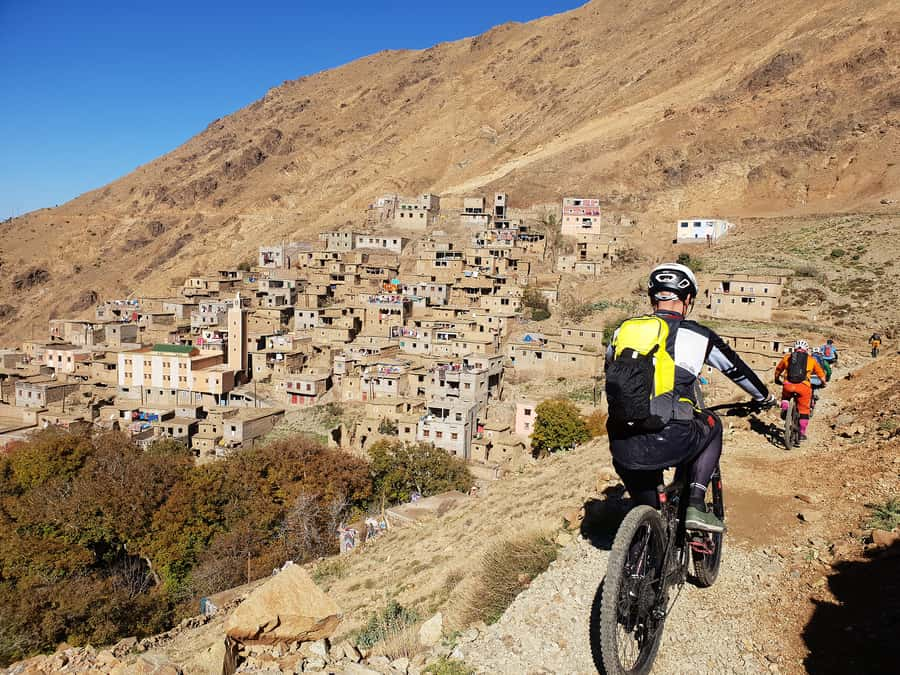
The best part of this trip is the way a short transfer from Marrakesh puts you into the High Atlas, where mountain biking links villages, valleys, and high passes in one active day. You begin near Imlil, ride toward a 2,300-meter pass, then descend through Tachedirt, Tamguist, and Amssakrou before following the Imnane Valley.
I like the big mountain views and changing terrain, from vegetable fields to rough single-track and river valleys. I also like the local focus: your guide explains Berber life, and the argan oil cooperative gives you a useful look at how women hand-crack the nuts.
The main caution is that this is not a gentle sightseeing ride. You may cover about 30 to 36 kilometers and climb roughly 750 to 1,200 meters, depending on the route and conditions. Winter snow and ice can block the high point, and transport delays or extra stops may turn the seven-hour plan into a long day.
Key points to know before you book
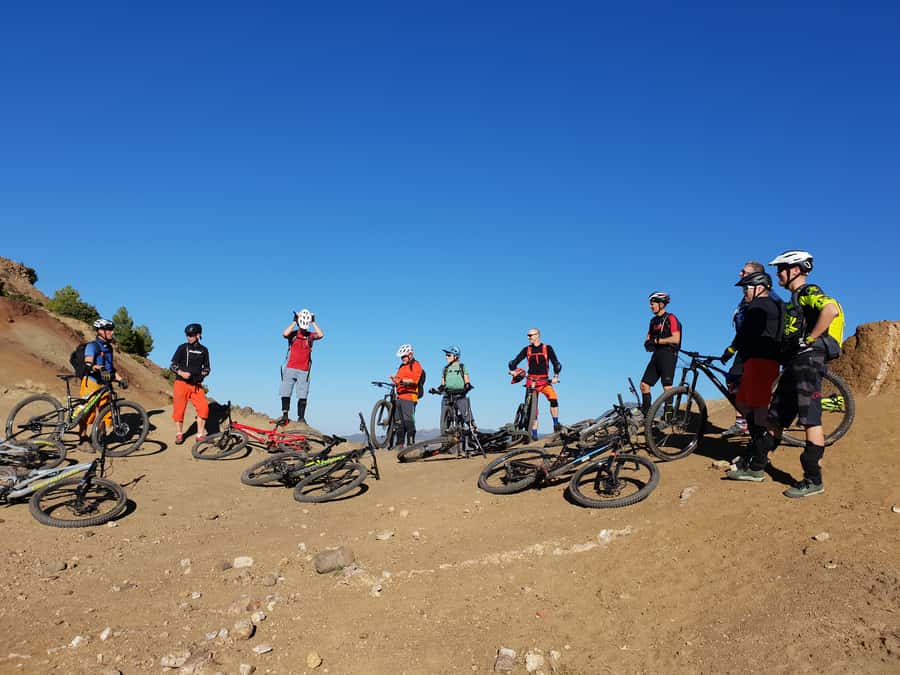
- The ride begins near Imlil: A short transfer from Marrakesh brings you to the village at the foot of Toubkal, Morocco’s highest mountain.
- Expect real climbing: The route includes a climb toward a 2,300-meter pass, with reported totals ranging from about 750 to 1,200 meters of ascent.
- The descents are the reward: Gravel tracks, single-track, donkey paths, and village roads provide the most exciting riding.
- Lunch comes late: The picnic is scheduled after the main descent, so bring extra water and food for the morning.
- Small groups keep the day personal: The group is limited to 10, and guides speak Arabic, English, or French.
- Winter can change the route: Snow and ice may prevent the group from reaching the pass or crossing to the other side.
From Marrakesh to Imlil at the foot of Toubkal
Your day begins with hotel pickup in Marrakesh. If your lodging sits inside the medina or on a street too narrow for the vehicle, you may be asked to meet at Jemaa el Fna, the central square. That detail matters, since getting to the correct meeting point can take time in the morning.
The drive takes you away from the city and toward Imlil, a mountain village at roughly 1,600 meters. Imlil is the usual gateway for trips into Toubkal National Park, and it feels like a proper change of scene from Marrakesh. Here, you meet the local cycling guide, receive a mountain bike and helmet, and hear the safety briefing.
The guide explains how the bike works and gives you time to practice before the group sets off. That is useful for anyone who has not ridden mountain trails recently. You set the pace, but you still need to be comfortable with rough surfaces, gradients, and extended time in the saddle.
Guides named Kamal and Jamal have received especially warm praise for patience and kindness. The stated languages are Arabic, English, and French, so you can ask questions about the route, villages, and local customs in one of those languages.
More Mountain Bike Tours in the world:
- From Ubud: Downhill Bike Tour with Rice Terraces and Meal
★ 4.9 · 664 reviews - Waimea Canyon Downhill Bike Ride
★ 5.0 · 650 reviews - La Paz: Mountain Bike Down the World’s Most Dangerous Road
★ 4.9 · 386 reviews
The first climb to the 2,300-meter pass
The ride starts with a climb. It is described as manageable rather than brutal, but it gives you an immediate test of your fitness and lets the guide check that the bikes are working properly. This is not an electric-bike outing by default, although one rider noted that an e-bike made the climbing easier on a repeat visit.
The high point is listed at about 2,300 meters, with the route reaching the pass at the coordinates provided for the trip. You should expect a mixture of gradients rather than one steady road climb. Reports of 750 meters, 900 to 1,000 meters, and even 1,200 meters of ascent show that the exact effort can vary.
At the pass, the group usually stops for mint tea and biscuits. This is a welcome pause before the downhill section, and it gives you a chance to take photographs across the High Atlas. Bring a camera or phone, but secure it well. The route is rough, and you will want both hands available on the more uneven sections.
Fitness matters more than speed. You do not need to race, and the guide can help you use the bike properly, but you should already be comfortable cycling uphill and braking on loose ground. If you rarely ride a bicycle, this is a poor choice for a relaxed first attempt at mountain biking.
Fast descents through three Berber villages
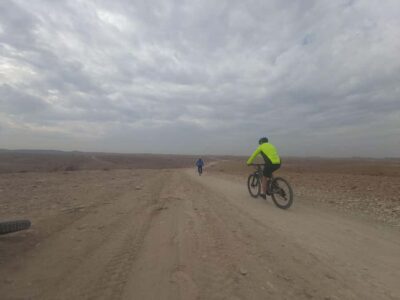
The descent is the part many riders will remember most. From the pass, the route drops through villages including Tachedirt, Tamguist, and Amssakrou. Expect gravel, off-road single-track, and donkey paths rather than smooth paved roads.
The surface makes the ride exciting, but it also demands care. Loose stones and uneven sections can affect your balance, especially after a tiring climb. Your helmet is included, and the guide’s main job is to keep the group safe, point out hazards, and help you get the best from the bikes.
The villages add meaning to the ride. Instead of seeing the Atlas from a bus window, you pass through the places where people live and work. Your guide can explain aspects of Berber history and present-day life, as well as local plants and the mountain environment.
You should not expect a staged cultural show. The appeal is the ordinary setting: village paths, cultivated fields, mountain slopes, and people moving through the valley. The route offers a closer view of rural Morocco than a standard city excursion.
The Imnane Valley and its green fields
After the village descents, the route follows the Imnane Valley for a couple of hours. The valley is known for broad views of green fields planted with vegetables and cereals, a striking contrast to the stony mountain slopes around them.
This is where the trip feels least like a fitness test and most like a moving view of mountain life. The guide will point out scenic places for photographs, and you should have several chances to stop. The views change as you lose height, with the route moving from high pass terrain into the valley and then toward the riverbed.
The wording of the route can make the ride sound easy at this point, but the track still includes rough single-track. A long descent can be tiring in a different way from climbing, since your hands, arms, and concentration remain busy. If you are new to off-road riding, ask the guide for help with braking and line choice before the faster sections.
The recorded distances vary. One account describes about 30 kilometers, another 36 kilometers, and the elevation gain also changes. Think of the figures as a useful guide, not a fixed promise. Weather, group ability, route conditions, and the day’s transport schedule can all affect the exact ride.
More National Park Bike Tours in the world:
- Big Island: Fat Tire E-Bike Tour through Volcanoes National Park
★ 5.0 · 546 reviews - Monterosso al Mare: Cinque Terre National Park E-Bike Tour
★ 4.8 · 214 reviews - Chiang mai Hike & Downhill Bike Adventure –Suthep National Park
★ 4.5 · 204 reviews - Chiang Mai: Suthep National Park Hiking & DH Mountain Biking
★ 4.8 · 151 reviews
Argan oil and the human side of the day
The itinerary includes a visit to an argan oil cooperative. You can see women hand-cracking the argan nuts, a simple but memorable detail that shows the work behind a product sold throughout Morocco.
This stop adds value beyond the bike ride. You get context for a familiar Moroccan product and see a women-led working cooperative rather than only passing through mountain scenery. The visit may also affect the day’s timing, so keep some flexibility in your schedule.
One important caution: not every stop appears to happen at the same point in the day. A long-day account included a pottery stop and a cooperative visit before reaching the cycling start, even though those extra stops were not part of that rider’s expected plan. If you want a tightly controlled cycling schedule, ask the operator to confirm the planned pickup time and stops.
Picnic lunch by the river at 1,600 meters
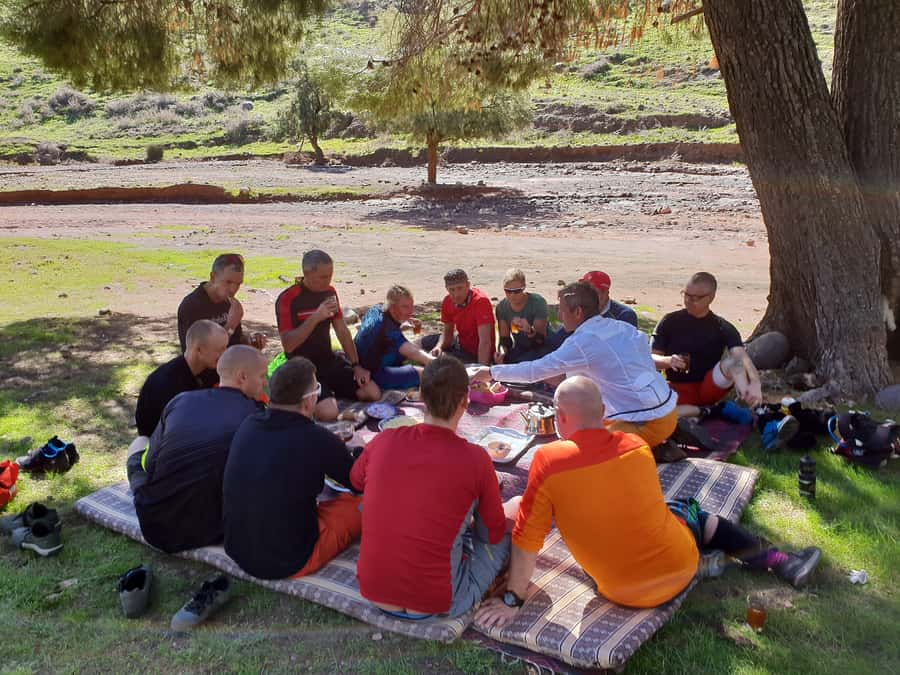
Lunch is served after the main ride, beside the river at an altitude of about 1,600 meters. The advertised meal is a picnic, although one account describes eating on a rooftop facing the Atlas. The exact setting may therefore depend on the day’s route and arrangements.
The timing is worth taking seriously. Lunch does not come early. One rider specifically advised bringing enough food and drink because the meal came only after the cycling. Carry water, a small snack, sunscreen, and any medication you need for the day.
A long, lazy lunch by the river is a pleasant way to slow down after the descent. You are not rushing from one monument to the next. The pause gives your legs a rest and lets you enjoy the mountain setting before the return transfer.
Soft drinks are not included, so budget for those separately if you want one. The included lunch helps the $68 price feel fair, but you should not treat the meal as a full replacement for your own snacks on a demanding ride.
Returning through Asni to Marrakesh
After lunch, the group takes a shorter final ride toward Asni, where the driver collects you for the return to Marrakesh. The total advertised duration is seven hours, but you should allow room for delays.
Pickup problems have occurred. A planned 8:30 departure was reported as shifting first to 9:25 and then to 10:00, with a return close to 6:00 in the evening. Shared transport can also combine people doing different activities, which may mean stops for other groups, including camel rides or cooking activities.
That does not spoil the cycling itself, but it can make the day feel less efficient. A separate account described driving around the medina several times while dropping people off. If you have dinner reservations, a flight, or another fixed appointment, leave a generous buffer.
For a simple day trip, the transport is convenient because hotel pickup and drop-off are included. For maximum control, private transport would be better, but it would also change the value calculation.
What the $68 price gets you
At $68 per person, the package includes hotel pickup and drop-off, the mountain bike, helmet, guide, and picnic lunch. It also gives you access to a full day in Toubkal National Park without arranging a vehicle, bike rental, route, and local guide separately.
That is a strong value if you want an active mountain day from Marrakesh. The guide is important here. You are not just renting a bicycle and trying to find a pass on your own. Someone explains the route, helps with the equipment, points out local details, and watches the group’s safety.
The value is less clear if you mainly want mountain views from a comfortable vehicle. You are paying for physical effort, not simply transport to a viewpoint. Add the cost of drinks and your own snacks, and remember that the day may run longer than seven hours.
Free cancellation up to 24 hours before departure and reserve-now, pay-later terms make it easier to fit the activity into a changing Morocco itinerary. Still, check the pickup details carefully if you are staying in the medina.
Who will enjoy this ride most
I would recommend this trip to a reasonably fit cyclist who wants a real off-road outing rather than a gentle tourist activity. You should be happy climbing, riding over gravel, managing descents, and spending several hours outdoors.
It suits you especially well if you like combining exercise with local contact. The Berber villages, cultivated valley, argan cooperative, and guide commentary give the ride more substance than a standalone bike rental.
You may want another activity if you dislike loose surfaces, have limited cycling experience, or need a firm return time. Winter also requires extra thought. Warm clothes and rain gear are recommended, while snow and ice may block the high pass or force a change to the route.
The group limit of 10 is helpful. A small group gives the guide a better chance to adjust the pace and assist when needed, though a mixed-ability group can still create pauses.
Should you book the Toubkal mountain bike trip?
Book it if the idea of riding through Atlas villages sounds more appealing than sitting in a minibus all day. The scenery is the main prize, but the climbing, rough descents, and village tracks make the experience active and memorable.
Before paying, confirm the pickup time, ask if any extra stops are planned, and bring food and water for the morning. If you have solid cycling experience and can accept a flexible schedule, $68 is a sensible price for the bike, guide, lunch, and transport.
Skip it if you need a relaxed outing, dislike uncertain timing, or cannot manage a long mountain ride. For the right rider, though, this is a fine way to trade Marrakesh’s city streets for the high valleys of Toubkal National Park.
FAQ
How long does the mountain bike trip last?
The advertised duration is seven hours. Actual timing can vary because of pickup delays, traffic, extra stops, weather, and the pace of the group.
What is included in the price?
The price includes hotel pickup and drop-off, a mountain bike, helmet, official guide, and picnic lunch.
Are drinks included?
Soft drinks are not included. Bring water and consider carrying extra food because lunch comes after the main ride.
Where does the cycling begin?
The cycling begins near Imlil, a village at the foot of Toubkal Mountain. You transfer there from Marrakesh.
How high does the route go?
The route usually climbs toward a pass at about 2,300 meters. The picnic lunch is described as taking place near the river at about 1,600 meters.
How much climbing should I expect?
Reported elevation gain ranges from about 750 meters to 1,200 meters. The exact amount depends on the route and conditions on the day.
Is the ride suitable for beginners?
You should have some cycling fitness and comfort on rough ground. The route includes climbing, gravel, single-track, and donkey paths, so it is not ideal for someone new to mountain biking.
Which languages does the guide speak?
Guides are available in Arabic, English, and French.
What should I bring?
Bring sunscreen and any personal medication you need. Warm clothes and rain gear are recommended during winter, and extra snacks and water are practical for the long ride.
What happens if there is snow or ice?
Snow and ice can prevent the group from reaching the pass or continuing to the other side. The guide may need to adjust the route for safety.
More Rides with Lunch in the world
- Electric Cycling Tour of Ubud with Free Hotel Transfer and Lunch
★ 5.0 · 1,397 reviews - Bangkok: Bike and Canal Boat Tour with Lunch
★ 4.9 · 1,350 reviews - Cat Ba: Lan Ha, HaLong bay full day- biking, kayaking, lunch
★ 4.8 · 1,166 reviews - Electric Bike Beach Adventure with Tequila Tasting and Lunch
★ 5.0 · 1,162 reviews
New cycling reviews around the world
- Riga: Beer or Cider Bike Tour★ 4.7 · 121 reviews
- Riga Explorer Bike Tour★ 4.8 · 127 reviews
- Rio de Janeiro: Guided Bike Tours in Small Groups★ 4.5 · 133 reviews
- Ria Formosa: Guided Bike Tour (3h), Início na Quinta do Lago★ 4.8 · 14 reviews
- Rethymno: Guided e-Bike Tour on Mili Gorge and Soft Drinks★ 4.9 · 36 reviews
- Rhodes: Anthony Quinn Bay E-Bike Tour with Snorkeling★ 4.9 · 15 reviews
- Rhodes: eBike Highlights Tour w/ Personal Photographer★ 4.9 · 99 reviews
- Rent a bike in Amsterdam | 1, 2, 3+ hours★ 4.5 · 68 reviews
Marrakech Cycling Tours, compared.
Marrakech: Cultural Bicycle Tour with Pastry and Tea
Read our review →
Marrakech:Guided City Cycling Tour – Culture, Colors & Charm
Read our review →
Browse the lists this ride appears in