
Review · MEXICO CITY
Electric Bike City Tour with a taco stop.
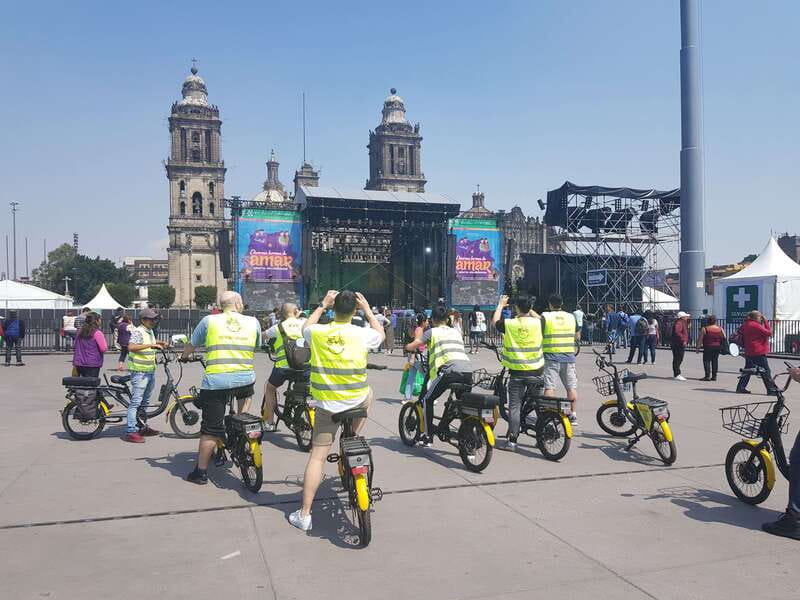
Mexico City is too big for a quick look, but an electric bike tour gives you a useful sweep of its grand avenues, leafy neighborhoods, historic center, and city parks in four hours. You move far beyond a single museum district, with local guides such as Eduardo and Sergio explaining how the city’s old and new sides fit together. I like the way the e-bike lets you cover serious ground, and I like the food stops, especially the taco break and the visit to Pastelería Ideal. The tradeoff is simple: four hours on a bicycle is still four hours of riding, even with motor assistance.
I also like the small-group setup, limited to nine people. Guides can adjust the route around places you have already seen, and several outings have included personal suggestions about neighborhoods, food, and daily life in Mexico City. Sunday can be an especially smart choice, since Reforma is sometimes closed to cars for cyclists and runners. You must already know how to ride a bicycle, and children under 13 cannot join.
Key points to know before booking
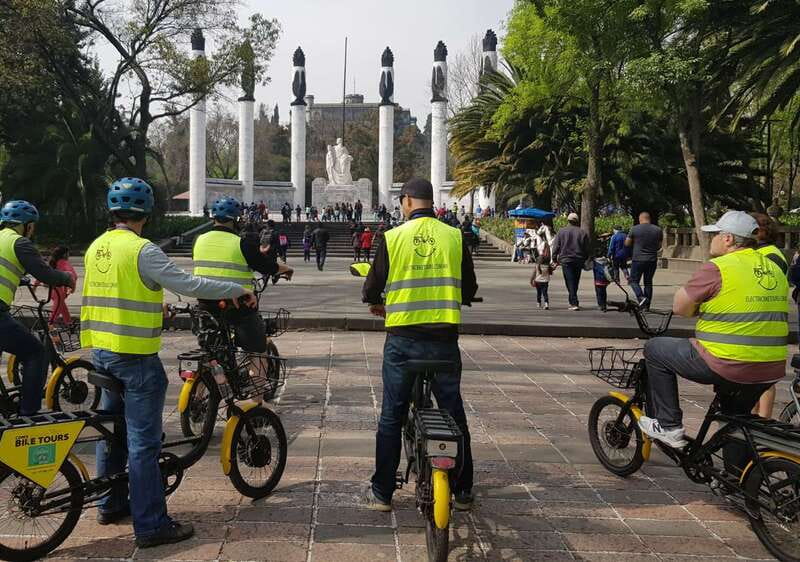
- Four hours, many districts: The route links Roma, Condesa, Polanco, the historic center, Chapultepec, and central Mexico City.
- E-bike assistance: You still pedal and steer, but the motor helps make long avenues and a full morning or afternoon less tiring.
- Strong guide element: Eduardo, Sergio, Isaiah, and other guides bring local knowledge, history, and practical neighborhood advice in English or Spanish.
- Food is part of the route: A taco stop is included, while sweets and extra drinks or food cost more.
- Small groups matter: With no more than nine participants, the guide can often adapt the ride to your interests.
- Bring sun protection: Wear comfortable shoes, use sunscreen, and carry a hat, water, and an accepted form of identification.
Why an e-bike is a smart way to see Mexico City
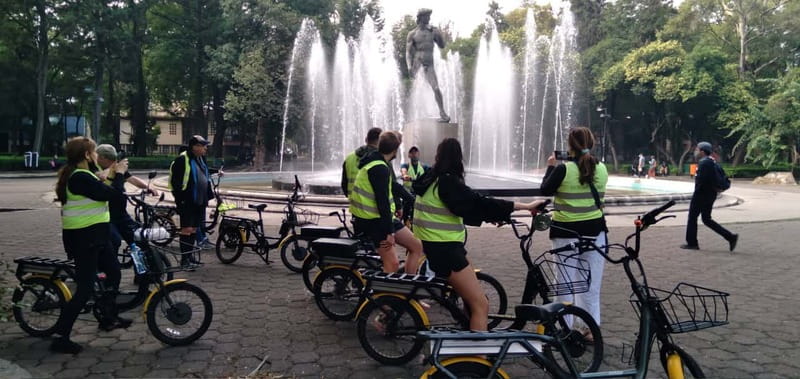
Mexico City rewards visitors who can move between districts. Roma, Condesa, Polanco, Chapultepec, Reforma, and the historic center each have a different feel, but crossing between them on foot would take much of your day. A standard sightseeing bus can cover the distance, yet you lose the street-level view and the freedom to pause beside a plaza or building.
The electric bicycle offers a middle path. You pedal, steer, and pay attention to the road, but the motor takes some strain out of the ride. That matters here because the schedule keeps moving, with many stops and a substantial stretch through Chapultepec.
Do not mistake electric assistance for a motorized tour. You need basic cycling skills, and you should feel comfortable riding in a city setting. The route includes major avenues, protected bike lanes in some areas, parks, and busier urban streets. Your guide provides a helmet and reflective vest, but you remain responsible for controlling the bicycle and following instructions.
The ride begins at Zacatecas 3. Look for the guide wearing a green vest. The tour supplies the e-bike, helmet, reflective vest, and bottled water. Hotel pickup and drop-off are not included, so plan your own way to the starting point.
More City Highlights Bike Tours in Mexico
- Mexico City: 19 City Highlights Bicycle Tour
★ 5.0 · 425 reviews - Mexico City: 19 City Highlights Bicycle Tour
★ 5.0 · 302 reviews - Mexico City Highlights E-Bike Tour With Foodie Stops
★ 5.0 · 226 reviews
Roma and Condesa open the city’s stylish side
The opening section takes you through some of Mexico City’s best-known central neighborhoods. Roma and Condesa are useful introductions because they show the city in a more residential, design-focused mood before the route heads toward monuments and the old center.
At Plaza Río de Janeiro, you get a photo stop and a chance to take in the surrounding streets. This is a short pause, not a long guided visit, so keep your camera ready and listen for the guide’s explanation of the neighborhood.
The route then reaches Reforma Avenue and the area around Polanco, connecting modern Mexico City with its grand civic spaces. The city’s mix is part of the point. You will see polished avenues and newer development alongside older buildings, local businesses, public squares, and streets with a more relaxed neighborhood rhythm.
The guides are a major reason this section works. Eduardo has adjusted routes for people who already knew parts of Mexico City, while Sergio has been praised for clear English and explanations of local culture. If you have already visited Roma or Condesa, say so at the start. The small group gives the guide room to avoid repeating the most basic stops and add places or details that fit your interests.
From the Monument to the Zócalo
The ride next reaches Plaza de la República, home to the Monument to the Revolution. The stop lasts about 15 minutes and gives you time for photographs and a quick look at one of the city’s most recognizable public spaces.
Nearby, Frontón México provides a brief photo stop. This is only about five minutes, so think of it as a quick architectural marker rather than a full visit. The schedule has many stops like this. You will see a lot, but you will not have time to study every building in detail.
Alameda Central brings you into the historic center. From there, the route pauses at the Palace of Fine Arts, the Palacio de Correos de México, and the Zócalo. These are some of the most rewarding sights on the tour because they show the scale and variety of central Mexico City.
The Palace of Fine Arts is a natural photo stop, with its grand exterior and strong visual presence. The Palacio de Correos adds a different style and rewards a closer look at its ornate details. At the Zócalo, the 20-minute stop gives you more time to absorb the size of the square and the activity around Mexico City’s main civic center.
This part can feel busy and crowded, especially compared with the calmer residential streets earlier in the day. That is not a flaw, but it does mean you should stay close to the guide and keep an eye on your bicycle. The reward is a quick, connected view of the city’s central monuments rather than isolated visits separated by taxi rides.
Pastelería Ideal and Barrio Chino add flavor
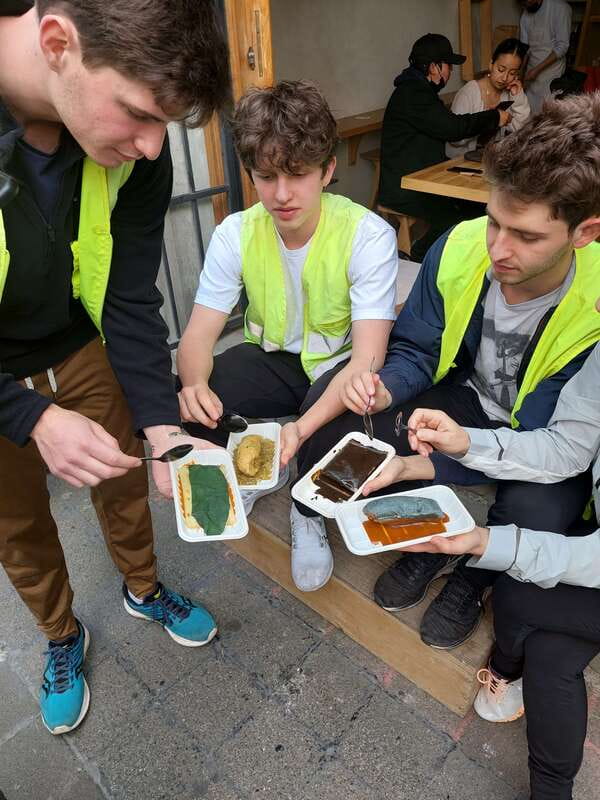
The food stops keep the tour from becoming a string of monuments. At Pastelería Ideal, you have about 20 minutes for a dessert stop. The bakery is known for its large selection of pastries, and the stop offers a look at a very local kind of Mexico City food culture: sweets, display cases, and the pleasure of choosing something that catches your eye.
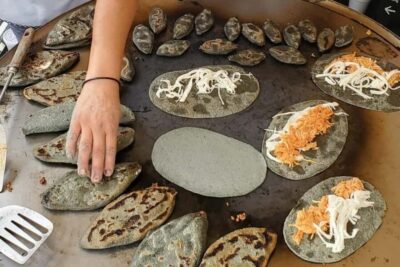
The itinerary also includes Barrio Chino for street food. A taco stop is part of the tour, while extra food and drinks are not included. That distinction matters. You receive the planned taco experience, but you should carry some money if you want additional snacks, dessert, or drinks.
The guides have also included coffee and snacks on some outings, but those extras should not be treated as guaranteed inclusions. The clearly stated food benefit is the taco stop. If you have allergies, dietary restrictions, or strong food preferences, ask the guide what is available before ordering.
Plaza de San Juan follows, with around 20 minutes for a visit and photos. This gives the route another change of pace before the longer park section. The central neighborhoods here are valuable because they show Mexico City as a working city, not just a collection of famous façades.
More E-Bike Tours in Mexico
- Electric Bike Beach Adventure with Tequila Tasting and Lunch
★ 5.0 · 1,162 reviews - E-Bike City Tour though Cozumel & Taco Tasting Tour
★ 4.5 · 155 reviews - Electric Bike and Beach Camel Ride with Mexican Buffet Lunch
★ 5.0 · 92 reviews - Mérida: The E-bike tour with history and culture
★ 4.9 · 36 reviews
Chapultepec supplies the longest riding stretch
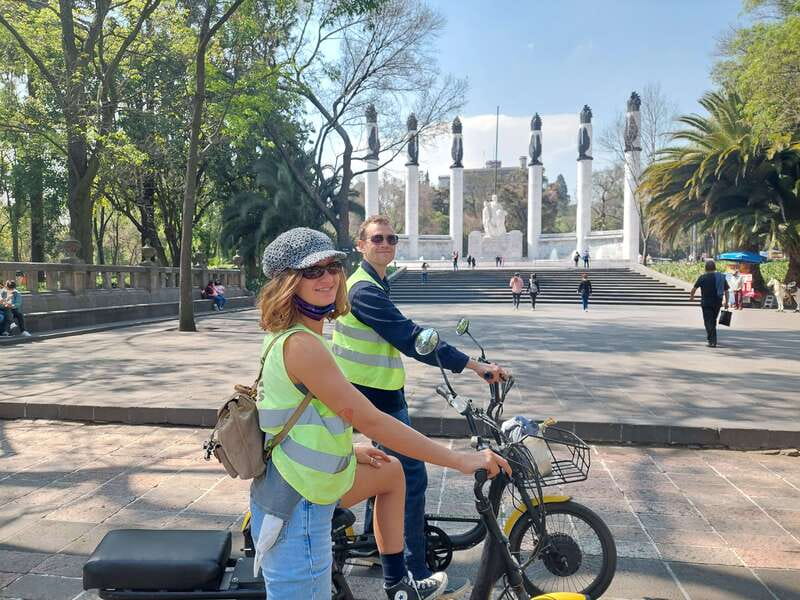
Chapultepec Park is one of the tour’s key sections. The itinerary allows about 35 minutes for a visit and bike ride, making it one of the longer stops on the route.
Here, the e-bike is especially useful. You have already covered the historic center and several neighborhoods, and the park adds more riding rather than just another quick photograph. The tree-lined setting gives you a break from dense streets, though you should still expect an active ride.
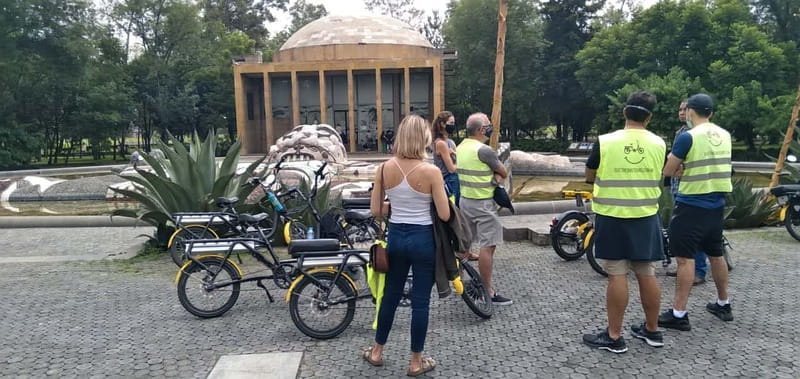
The route continues to Parque Tamayo and Audiorama. Parque Tamayo is scheduled for about 20 minutes, while Audiorama receives around 15 minutes for a photo stop and visit. These pauses help show the different ways Mexico City uses public space, from large parks to quieter corners designed for sitting, art, or a short escape from traffic.
You should not expect a long museum visit at these stops. This is an outdoor overview, built around movement and short explorations. If you prefer spending an hour inside one attraction, this tour will feel too fast. If you want to connect several parts of the city in one outing, the pace makes sense.
Reforma and Mexico Park finish the ride
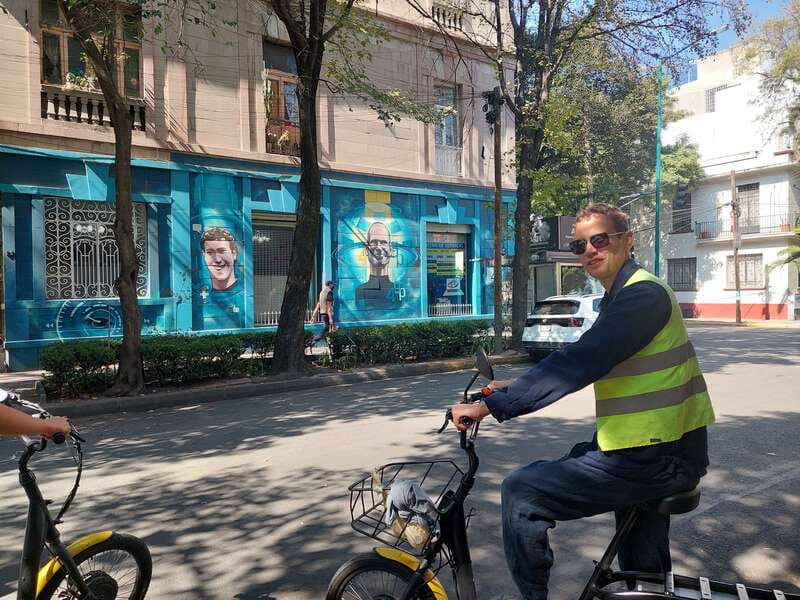
The tour returns toward the central neighborhoods through Mexico Park and Avenida Álvaro Obregón. Mexico Park provides another photo stop and visit, while Álvaro Obregón includes a dessert stop lasting about 30 minutes.
This closing section brings you back to the Roma and Condesa side of the city, so the route forms a broad loop instead of keeping you in one district. Avenida Álvaro Obregón is a fitting place to finish: you are back among cafés, shops, sidewalks, and neighborhood streets after seeing the city’s monumental center and large park.
The schedule includes many named stops, but the real value lies in the connections between them. You see how the city changes block by block, from grand civic buildings to local food streets and from busy avenues to park paths.
On Sundays, Reforma may offer the best riding conditions. Parts of the avenue can be closed to vehicles for cyclists and runners, giving you a rare chance to ride on one of Mexico City’s major roads without competing with normal traffic. This depends on the day and local conditions, so do not book solely on the assumption that the avenue will be closed.
What the four-hour pace feels like
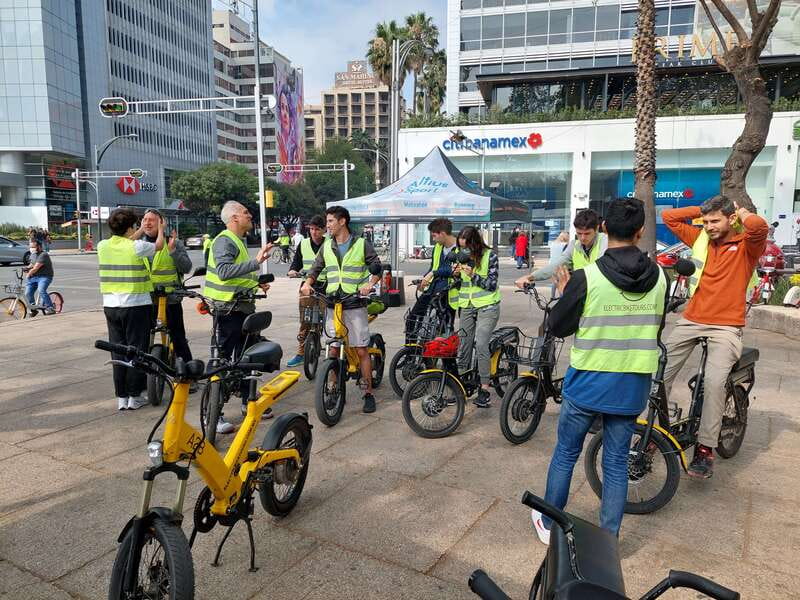
Four hours sounds moderate, but this is an active half-day. You will stop often, which breaks up the riding, yet the route covers a large area. One useful detail from the tour’s operation is that guides check on water and comfort during the ride. The supplied bottled water helps, but bring sun protection and dress for outdoor activity.
Comfortable shoes matter more than stylish footwear. A sun hat and sunscreen are also sensible because several stops are outdoors. You need to bring a passport or ID card, and a copy is accepted.
The small group size improves the pace. A maximum of nine people is large enough for a social outing but small enough for the guide to keep everyone together and answer questions. It also makes route changes more realistic. Eduardo has adapted rides for people who had already seen parts of the city, which is useful if this is not your first visit.
Still, the tour is not a private custom itinerary. You will follow a planned route, and the guide must balance different interests and cycling speeds. The four-hour duration includes sightseeing stops, food, and riding, so each monument receives a snapshot rather than a deep visit.
Is the $81 price fair?
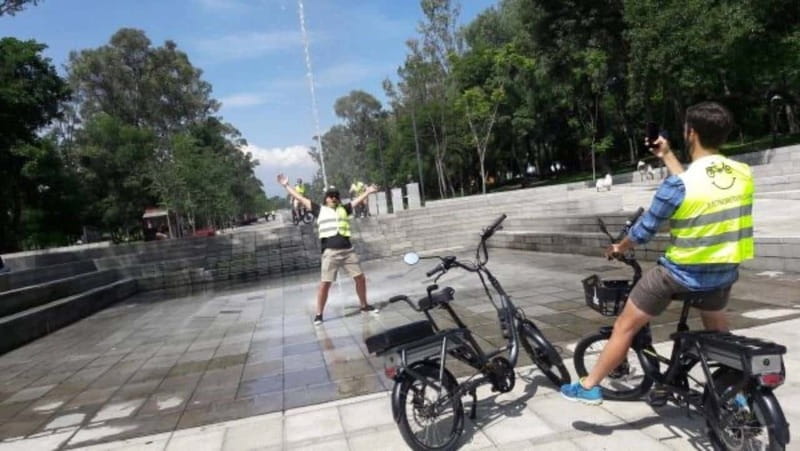
At $81 per person, the tour costs more than renting a basic bicycle or wandering through one neighborhood on foot. The comparison is not quite equal, though. The price includes a guide, e-bike, helmet, reflective vest, bottled water, and a taco stop. You are also paying for a route that connects far-flung parts of Mexico City without arranging several taxis or learning the streets yourself.
I consider the price reasonable for a first or second day in the city, especially if you want orientation. A good guide can show you where the main districts sit in relation to one another and give you practical ideas for the rest of your stay. The food stops add value, though you should budget extra for anything beyond the included taco stop.
The value drops if you dislike cycling, want long museum visits, or already know all the neighborhoods on the route. You may get more from a focused walking tour or a single major attraction. But if your goal is to see a broad slice of Mexico City in one morning or afternoon, the e-bike makes the price easier to justify.
Free cancellation is available up to 24 hours before the start, and you can reserve now and pay later. The tour can be canceled at short notice for bad weather, so check the forecast and keep some flexibility in your plans.
Who should book this ride?
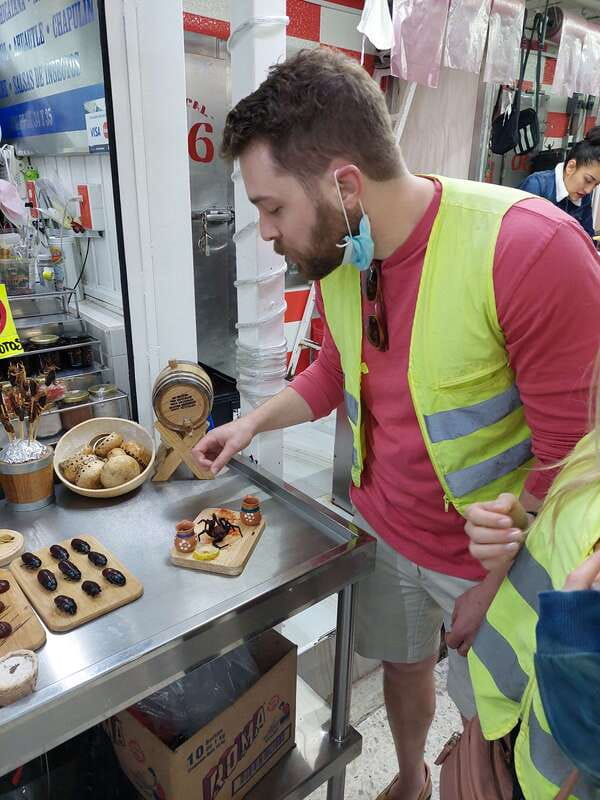
I would choose this for an active visitor who wants a quick city orientation, especially on the first full day in Mexico City. It suits people who enjoy architecture, public spaces, local food, and guide commentary more than a single long museum visit.
It also works well for repeat visitors. Tell the guide what you have already seen, and the route may be adjusted to give you a fresher look at the city. English and Spanish are available, and the guides have been able to accommodate both language groups.
You should skip it if you cannot ride a bicycle, dislike urban cycling, or want a slow, highly detailed visit at each monument. Children under 13 are not permitted. Also remember that electric assistance does not remove the need to pedal, steer, and stay alert.
Should you book the Electric Bike City Tour?
Book it if you want to cover Roma, Condesa, Polanco, the historic center, Chapultepec, and several major plazas in one well-organized outing. The best reasons are the broad route, the electric assistance, the local guide input, and the chance to combine monuments with tacos, sweets, and street food.
Choose a Sunday if the possibility of riding along vehicle-free Reforma appeals to you, and mention your previous Mexico City visits before setting off. Expect a full four hours, not a casual spin. For an active visitor who wants context, food, and a useful sense of the city’s scale, this is a strong way to get oriented.
FAQ
How long does the electric bike tour last?
The tour lasts four hours, including riding, sightseeing stops, and food breaks.
Where does the tour start?
It starts at Zacatecas 3. Look for the guide wearing a green vest.
What languages are available?
The live guide is available in English and Spanish.
How many people can join the tour?
The group is limited to nine participants.
Is the taco stop included?
Yes. A taco stop is included. Extra food and drinks are not included.
Do I need to know how to ride a bicycle?
Yes. Basic cycling skills are required to participate.
What happens if the weather is bad?
The tour can be canceled with short notice because of bad weather. Free cancellation is available up to 24 hours before the tour for a full refund.
New cycling reviews around Mexico
- Oaxaca City: Bike Tour with Professional Guide+Art workshop★ 4.8 · 23 reviews
- Oaxaca: Guided Bike Tour to the Largest Tree in the World★ 5.0 · 16 reviews
- Mexico City: Private Chapultepec Park Bike Tour★ 4.8 · 16 reviews
- 🟢Street Food Bike Tour Mexico City🟢★ 5.0 · 15 reviews
- Mexico City: Guided Bike Tour of Culture and Local Taste★ 5.0 · 14 reviews
- Mexico City: Chapultepec & Reforma Historic Bike Experience★ 4.5 · 30 reviews
- Mexico City: Art Naco, murals & street art bike tour★ 4.7 · 166 reviews
- Mérida: The E-bike tour with history and culture★ 4.9 · 36 reviews
Mexico City Cycling Tours, compared.

Mexico City; ART NACO : Murals & Street Art Bike Tour
Read our review →
Mexico City Highlights E-Bike Tour With Foodie Stops
Read our review →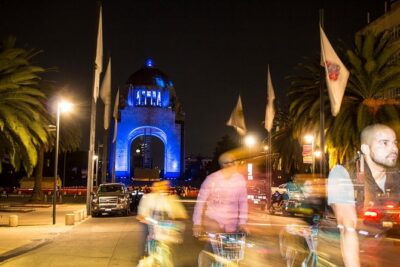
From Mexico City: Teotihuacan Pyramids and Bike Tour
Read our review →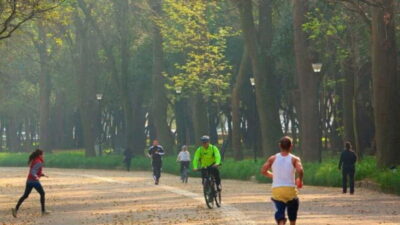

Mexico City: Guided Bike Tour of Culture and Local Taste
Read our review →Browse the lists this ride appears in