
Review · IRELAND
Cork: Cork City Cycle Tour – Regular Bike
Cork makes a fine cycling city tour because its story is written across a compact center of bridges, church towers, old lanes, and river paths. In 2.5 hours, you trace Cork from its Christian beginnings through Viking attacks and its later life as a major trading port. The route also gives you street art, parks, and everyday city life, not just a string of monuments.
I like the small group of no more than eight, which lets your guide stop for questions without turning the ride into a moving classroom. I also like the practical local advice, from where to find a good pint to where to eat or hear music. The main consideration is simple: you need to be comfortable on a bicycle, and the tour runs in light rain. Children under 15 cannot join.
Key points to know before you ride
- Cork’s story unfolds on two wheels: Learn about its Christian settlement, Viking past, and growth as a trading center while moving through the city.
- More than 30 bridges and 20 church towers: Keep count as you ride beside the River Lee and through the central streets.
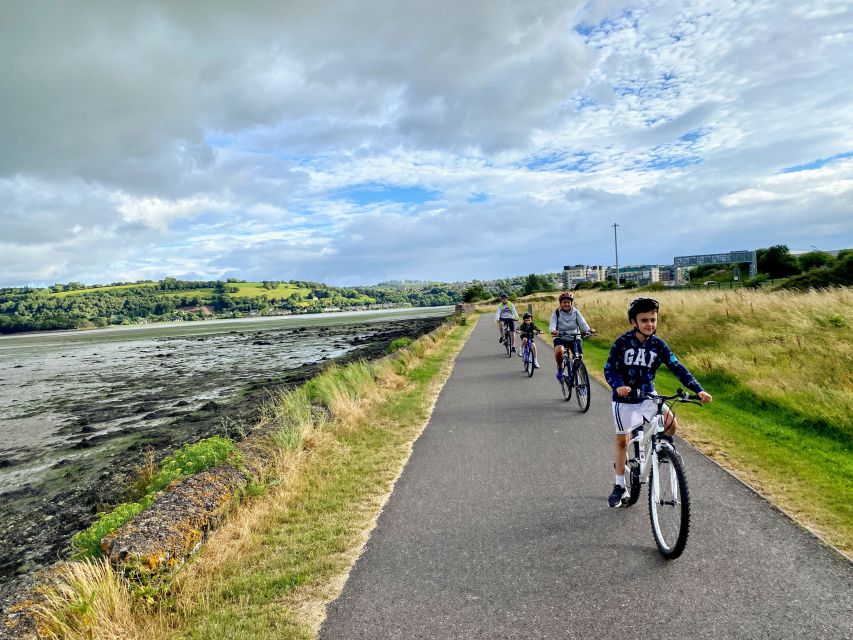
- A short, manageable route: The 2.5-hour ride is described as fairly flat, with easy-to-use bikes.
- James may be your guide: He is known for an informative, friendly approach and has even brought hurling sticks to demonstrate the sport.
- Small groups make the ride personal: The maximum is eight people, with time for questions and local tips.
- Light rain will not stop the tour: Bring water and comfortable clothes, and be ready for changeable Irish weather.
Why cycling is a smart way to see Cork
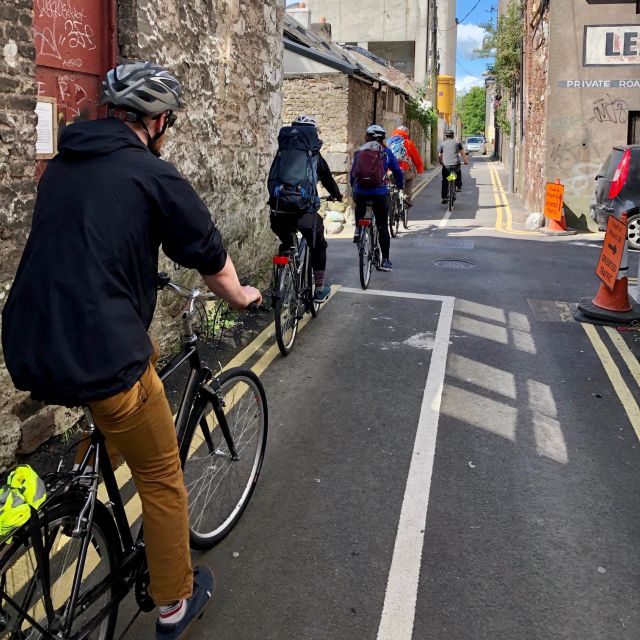
Cork’s center is compact, but it is not flat in every direction and its streets can feel busy. A bicycle helps you cover more ground than a walking tour while keeping you close to the details you would miss from a vehicle.
You can move from the river to a park, from a colourful lane to a fort, and from a church tower to a bridge without spending time waiting for transport. The pace also gives you a better feel for the city as a working place. You see people crossing bridges, shops opening, and streets shaped by the River Lee.
The route is described as fairly flat, and the supplied bikes are reported to be easy to use. That makes this a reasonable choice if you want a bit more range than a walking tour without signing up for a demanding ride. Still, you should be able to ride confidently in an urban setting. This is not suitable for anyone who cannot ride a bike.
The group limit matters. With up to eight people, the guide can explain a church tower or stop to point out street art without losing half the group. You also have a better chance to ask about the places you pass, rather than simply listening to a fixed script.
More Cycling Trips in the world:
- Lion City Bike Tour of Singapore
★ 5.0 · 6,211 reviews - Big Bike tour Amsterdam – See all in 3 unforgettable hours
★ 4.7 · 4,929 reviews - 3-Hour Porto Highlights on a Electric Bike Guided Tour
★ 5.0 · 4,392 reviews
Starting beside Saint Patrick’s Quay
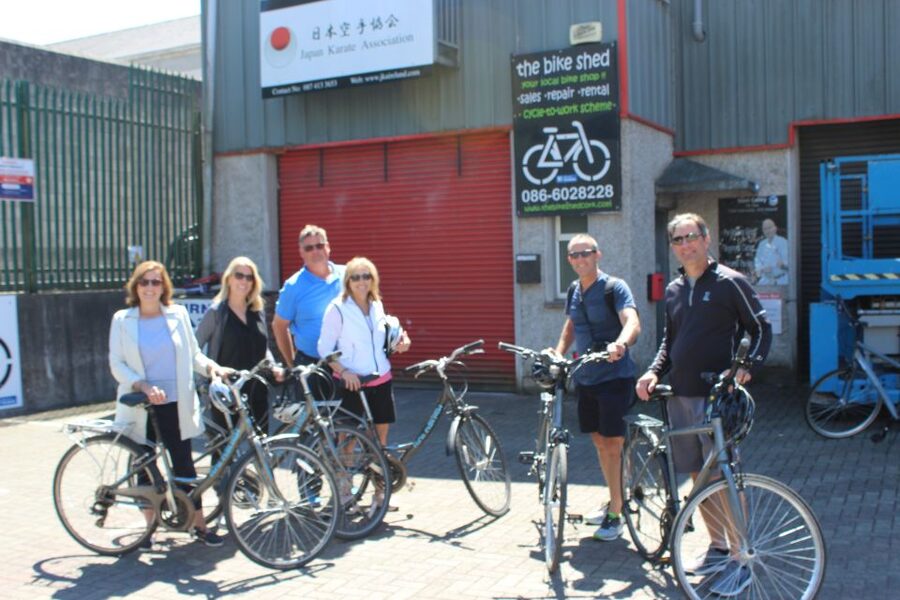
The tour begins beside the River Lee, directly across from number 34 Saint Patricks Quay. This is a useful starting point because Cork’s waterway is central to the city’s shape and story.
Arrive ready to ride, with your water bottle filled and comfortable clothes on. A bike and helmet are provided, but food and drinks are not. You will want to eat beforehand or plan a meal afterward, especially since the ride lasts two and a half hours.
You need a printed voucher. That is an easy detail to miss in an age of phone bookings, so print it before you arrive. The tour is conducted in English, and the same meeting point is used at the end.
From the quay, the ride gives you an immediate sense of Cork as a city built around water. The River Lee divides and reconnects parts of the center, while bridges provide frequent viewpoints. One of the tour’s small pleasures is counting them as you go. There are more than 30 bridges in the city, along with over 20 church towers.
Cork’s Christian beginnings and Viking past
The guide explains how Cork began as a Christian settlement before changing through Viking activity and later trade. This sequence gives the city a useful shape. You are not simply hearing isolated dates or names. You are seeing how a settlement beside the river became an important port and commercial center.
Cork’s past is especially easy to picture from a bicycle because the route moves through the same urban setting that made the city useful in the first place: water access, bridges, elevated viewpoints, and streets leading toward the port. The ride connects those pieces without asking you to spend hours inside a museum.
The Viking chapter adds a little drama, but the broader value is seeing Cork as a city that changed hands, purposes, and appearance over time. Your guide can point out how the modern city reflects those layers. This is where a local guide makes a difference. The information is tied to the streets around you, rather than delivered as a general history talk.
If you enjoy local history but do not want a full-day museum schedule, this is a good balance. You get a clear introduction to Cork’s past while keeping the focus on the city you are actually visiting.
Shandon and Cork’s church towers
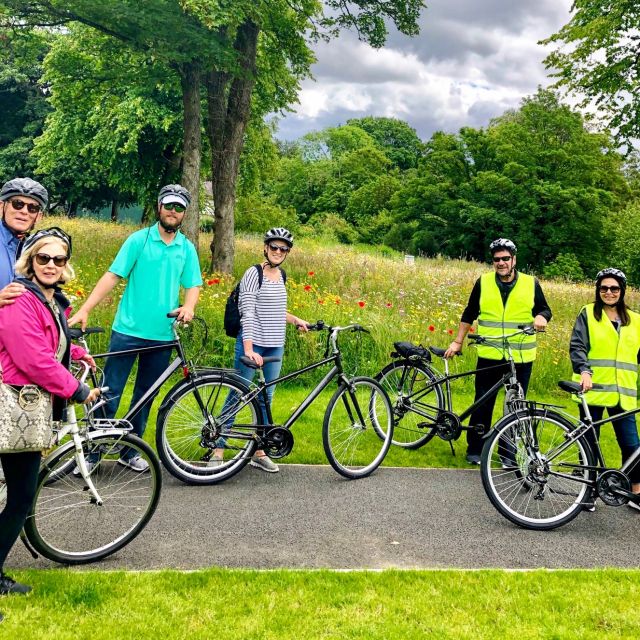
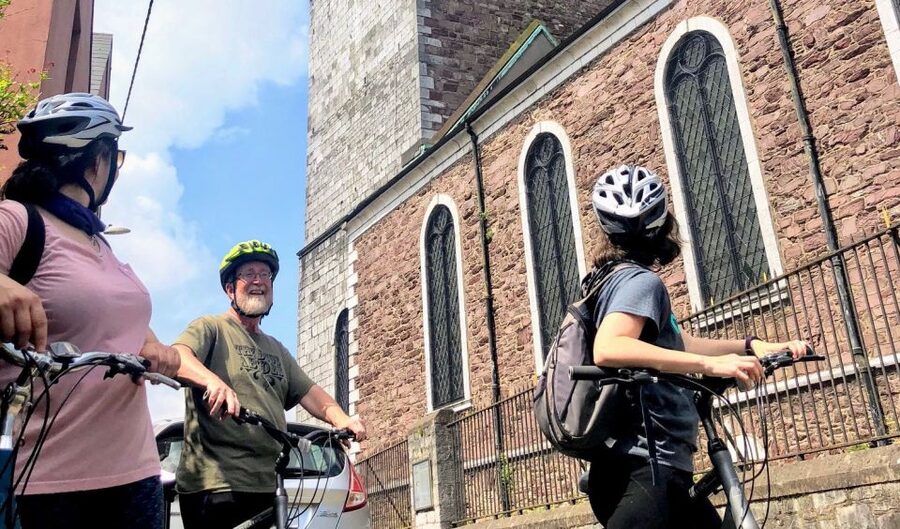
Shandon is one of the important stops on the ride, and it fits neatly with the tour’s focus on Cork’s towers and churches. The city has more than 20 church towers, giving you plenty of chances to look upward as you cycle through the center.
Shandon helps show why Cork is often associated with spires and church roofs. It also adds a change from the riverfront and lower streets. Your guide can connect the area to the city’s religious past while showing how it remains part of modern Cork.
The tour does not promise an extended interior visit, so think of this as a city-viewing stop rather than a formal church tour. That is useful if you want broad coverage in a short time, but less useful if your main goal is detailed architecture inside each building.
I like the way this part of the route gives you a visual game to play. Count the towers, look for changes in stone and roofline, and watch how the streets rise and fall around them. It turns a simple ride into a way of reading the city.
Same roads, a different ride:
- Ninh Binh Full-Day Tour from Hanoi to Hoa Lu, Tam Coc & Mua Cave Via Boat & Bike
★ 5.0 · 4,384 reviews - Small Group Guided Bike Tour of Amsterdam’s Hidden Gems
★ 5.0 · 3,936 reviews - 3-hour Complete Prague Bike Tour
★ 5.0 · 3,674 reviews - Bangkok: Temples, Canals & Local Life Bike Tour
★ 4.9 · 3,511 reviews
Shakey Bridge and the River Lee
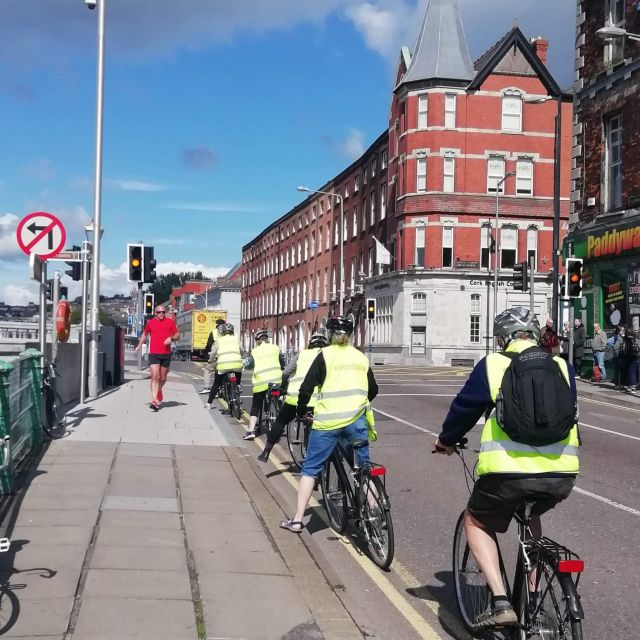
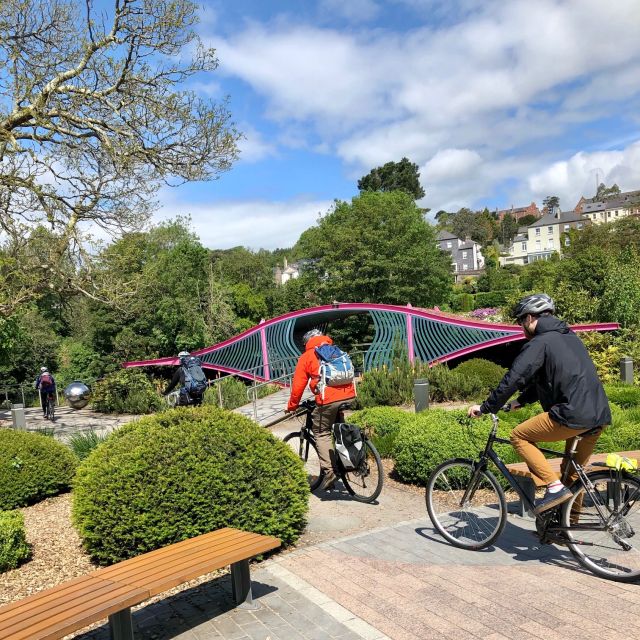
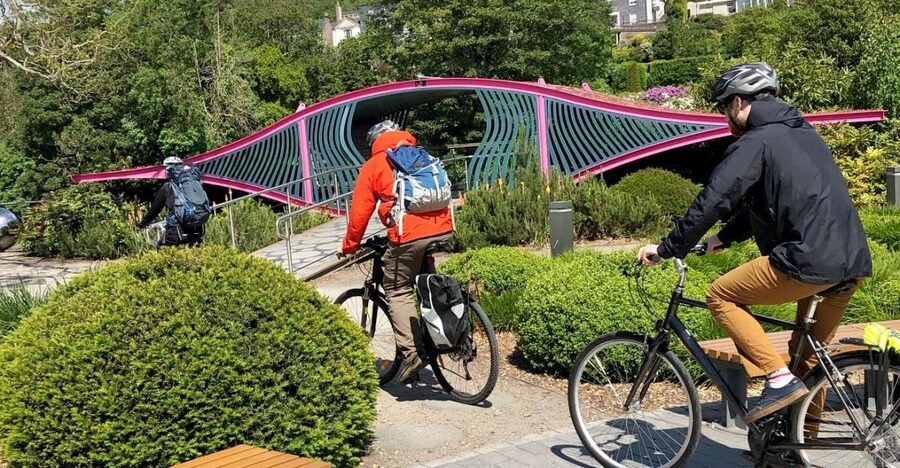
Shakey Bridge brings one of Cork’s more distinctive crossings into the route. The name alone hints at the experience, and the bridge adds character to a tour already shaped by the city’s waterways.
Along the River Lee, the ride slows the city down. You get open views, changing angles on the banks, and a chance to notice how bridges link Cork’s neighborhoods. The river sections should also provide a pleasant break from traffic and tighter streets, although you still need to follow your guide and ride with care.
The route’s river paths and crossings are valuable because they show Cork as a place with a strong physical identity. You are not just passing a landmark for a photograph. You are seeing how the river affects movement, views, and the arrangement of the city.
The tour is described as fairly flat, which is encouraging for most casual cyclists. Even so, a city ride can involve stops, turns, and traffic. If you are nervous about cycling near cars, consider your comfort level before booking. One rider found the ride safe and the bike quality good, but that is useful reassurance rather than a guarantee of identical conditions on every departure.
Elizabeth Fort and the city’s changing role
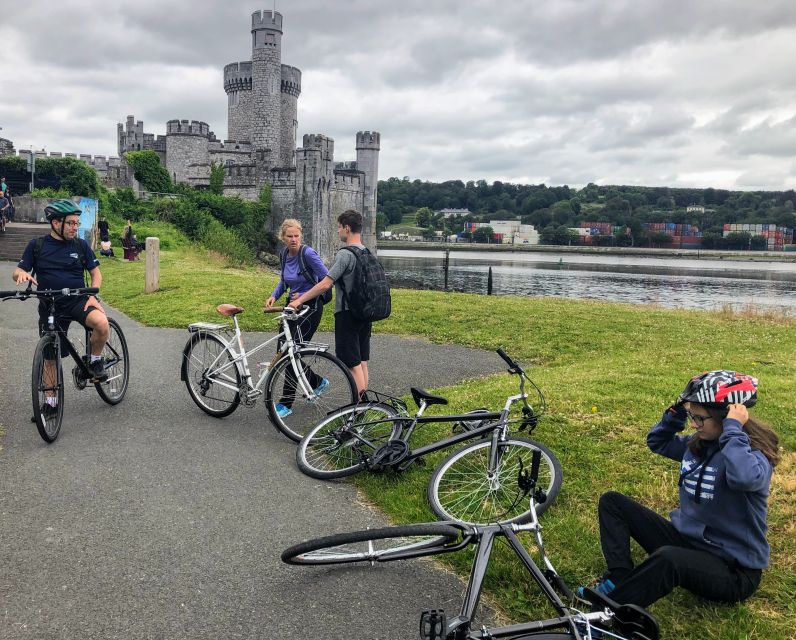
Elizabeth Fort adds a military chapter to Cork’s story. After hearing about Christian origins, Viking activity, and trade, you get another way to understand the city’s importance.
A fort also gives the tour a change in scale. Instead of looking at a tower or street from the road, you get a stronger sense of Cork as a place that needed to be watched, defended, and controlled. Your guide can use the site to explain how the city’s strategic position affected its development.
The fort is one of the route’s main landmarks, but the overall appeal is the way it fits into the larger story. Cork was not shaped by one period alone. Churches, trading streets, bridges, riverbanks, and military buildings all point to different stages of its growth.
Do not expect a full archaeological tour of every site. The strength here is variety. In a single ride, you see religious landmarks, public spaces, old defensive architecture, waterways, and modern street art.
Street art, parks, and everyday Cork
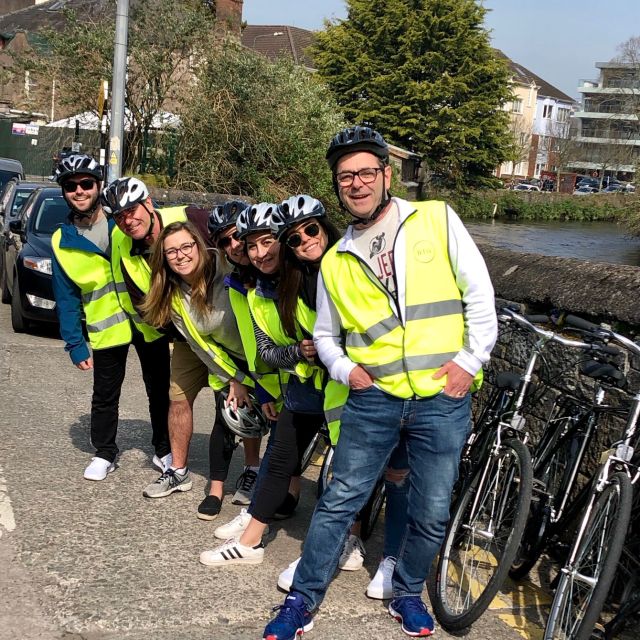
The tour also moves through colourful streets, scenic parks, and areas known for street art. This keeps the ride from becoming too focused on old buildings.
Street art gives you a view of present-day Cork. It shows a city with a creative side and offers details that are easy to miss when you are following a standard sightseeing route. Parks provide a quieter contrast, with room to pause and take in the surroundings.
I like this mix because it avoids treating Cork as a history display. You get the older story, but you also see how people use the city now. The guide can point out local character, small details, and places that do not always appear in a standard guidebook.
The phrase hidden gems is often overused, so I would keep expectations sensible here. This is not a secret expedition to places no one else knows. It is a guided look at less formal parts of the city, including street art and local corners that add personality to the main landmarks.
Local food, music, and pub advice
One of the most useful parts of a city tour often comes after the official sightseeing. Your guide shares suggestions for places to eat, have a pint, and hear music.
That advice has real value in Cork, where the food and music scene is part of the city’s identity. You can ask what suits your budget, what area fits your evening plans, or where to go after the ride. Since food and drinks are not included, these recommendations may be especially handy when planning the rest of your day.
The guide’s role is not limited to naming a few places. A good local guide helps you understand how to use the city. With a small group, you have a better chance to ask specific questions about lunch, dinner, pubs, or music.
James is one guide associated with this tour. He is described as pleasant, informative, and fun, and he has even brought hurling sticks to show how the sport is played. That detail suggests a tour with room for local culture beyond monuments. It also gives you a reminder that Cork’s identity includes sport, conversation, and a strong sense of place.
What the 2.5-hour format gives you
Two and a half hours is long enough to get a proper overview of Cork without taking over your day. You can schedule it in the morning and use the guide’s suggestions for lunch, or take it later and continue into the city’s evening food and music scene.
The format works best early in your visit. Once you understand the river, bridges, hills, church towers, and key landmarks, the rest of your time in Cork becomes easier to plan. You can return to a neighborhood that caught your eye or use the guide’s advice to choose where to eat.
The trade-off is that a broad city ride cannot provide a long stop at every landmark. If you want extensive time at Elizabeth Fort, a detailed church visit, or a slow look at every piece of street art, you may need to explore independently afterward.
The ride ends back at the starting point. That makes planning easier, since you do not need to arrange a separate return trip or collect belongings somewhere else.
Is $62 a fair price?
At $62 per person, this is not the cheapest way to see Cork, but the price includes a bike, helmet, guide, and a 2.5-hour route. The small group is the main value point. You are paying for access to a local person who can connect the city’s past with practical advice for the rest of your stay.
I would consider the price reasonable if you are new to Cork and want an efficient introduction. It is also good value if you would otherwise rent a bike and try to build your own route without knowing which bridges, parks, landmarks, or street art areas are worth your time.
The value is lower if you already know Cork well, dislike group activities, or mainly want a long independent bike ride. Food and drinks are extra, and there is no suggestion that attraction entry is included, so budget for your own stops outside the tour.
Free cancellation is available up to 24 hours before the start, and you can reserve now and pay later. Those policies make it easier to fit the ride into a changing Ireland itinerary.
Who should book this Cork bike tour?
I would choose this tour if you are comfortable riding a bicycle and want more than a list of photo stops. It suits first-time Cork visitors, couples, solo visitors who like small groups, and anyone who wants local suggestions for food, drink, and music.
It is also a good fit for active adults who prefer seeing a city in motion. The route is fairly flat, the supplied bikes are described as easy to use, and the ride covers a useful mix of history, scenery, public art, and daily life.
I would think twice if you are under 15, cannot ride a bike, or feel uneasy cycling in a city. You also need to accept light rain. Bring water, wear comfortable clothes, and dress for Irish weather rather than hoping for a dry forecast.
My verdict on the Cork City Cycle Tour
I would book this ride near the start of a Cork visit. It gives you a quick sense of the city’s layout, explains how Christian origins, Viking activity, trade, and defense shaped it, and adds the modern touches that make Cork feel like a living place.
The strongest reasons to go are the small group, the fairly flat route, the easy-to-use bikes, and the guide’s local advice. James’s hurling demonstration is a particularly nice example of the kind of personal detail that can make a short tour memorable.
Skip it if you want a quiet, fully independent ride or a detailed interior tour of each landmark. For most confident cyclists, though, $62 buys a useful introduction to Cork and a practical head start on the rest of your visit.
FAQ
How long is the Cork City Cycle Tour?
The tour lasts 2.5 hours. Starting times vary, so you need to check availability for the date you want.
Where does the tour start?
It starts beside the river, directly across the street from number 34 Saint Patricks Quay.
Where does the tour end?
The ride ends back at the same meeting point where it begins.
What is included in the price?
The price includes a guide, a bike, and a helmet.
Are food and drinks included?
No. You need to arrange your own food and drinks.
What language is the tour conducted in?
The live tour guide speaks English.
How large is the group?
The tour is limited to eight participants.
Can children join the tour?
Children under 15 years old cannot join this activity.
What happens if it rains?
The tour takes place in light rain, so bring suitable clothing and be prepared for changeable weather.
New cycling reviews around the world
- Riga: Beer or Cider Bike Tour★ 4.7 · 121 reviews
- Riga Explorer Bike Tour★ 4.8 · 127 reviews
- Rio de Janeiro: Guided Bike Tours in Small Groups★ 4.5 · 133 reviews
- Ria Formosa: Guided Bike Tour (3h), Início na Quinta do Lago★ 4.8 · 14 reviews
- Rethymno: Guided e-Bike Tour on Mili Gorge and Soft Drinks★ 4.9 · 36 reviews
- Rhodes: Anthony Quinn Bay E-Bike Tour with Snorkeling★ 4.9 · 15 reviews
- Rhodes: eBike Highlights Tour w/ Personal Photographer★ 4.9 · 99 reviews
- Rent a bike in Amsterdam | 1, 2, 3+ hours★ 4.5 · 68 reviews
Ireland Cycling Tours, compared.
Dublin Panoramic e-Bike Tour with Howth Adventures
Read our review →
From Doolin: Day Trip to Inisheer with Bike or Bus Tour
Read our review →
From Galway: Day Trip to Inisheer with Bike or Bus Tour
Read our review →Browse the lists this ride appears in