
Review · MOROCCO
Agadir: Unleash Your Adventure with Electric Bicycles!
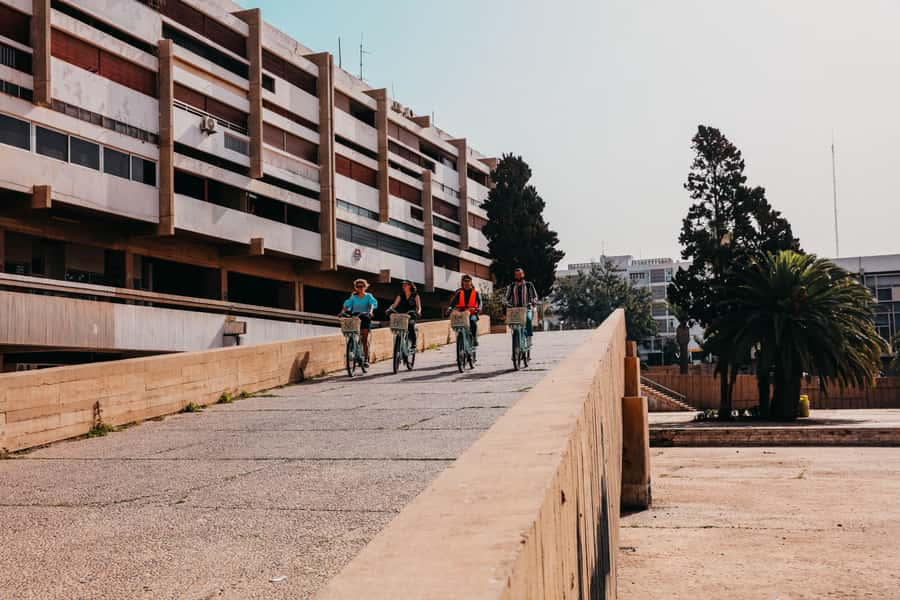
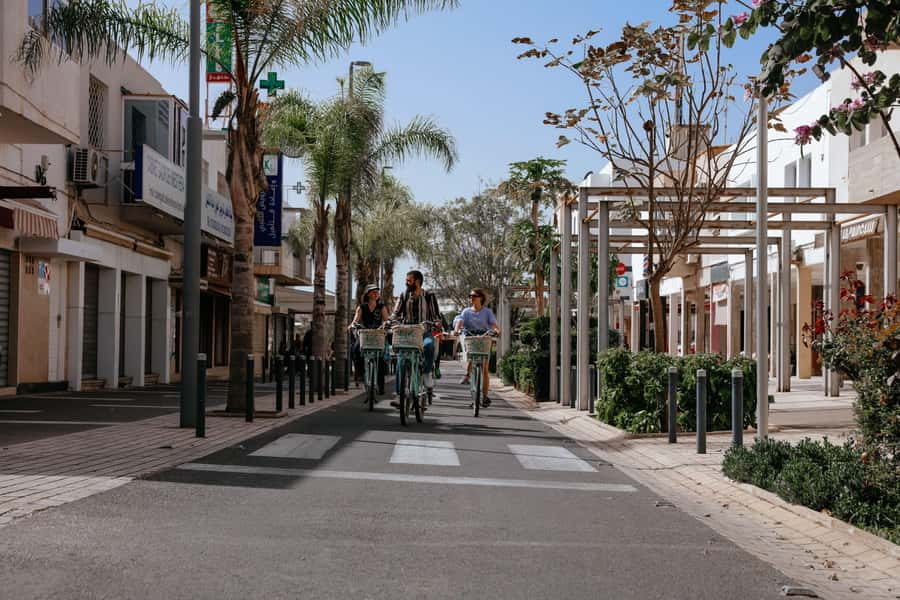
Agadir’s best stories are often found away from the beach hotels. This three-hour electric-bike tour takes you through working neighborhoods, local cafés, religious buildings, markets, and everyday city streets with a young guide trained by the Pikala foundation. You get a practical look at how modern Agadir works, not just a parade of postcard sights.
I like the small four-person group, which gives guides such as Dounia, Saad, Malika, Ennis, and Milinka room to answer questions and adjust the pace. I also like the local food stops, especially the public bakery, fresh fruit at Souk El Had, Moroccan pastries, tea, and a café chat about family, religion, and modern life.
The main caution is city traffic. Cycling through Agadir can feel adventurous, and some riders found the bikes a little dated or needed time to get comfortable. The electric assistance helps, but you should be steady on a bicycle and happy riding near traffic.
Key points to know before you book
- Local life comes first: You visit a public bakery, a traditional hammam area, Souk El Had, cafés, and ordinary city streets.
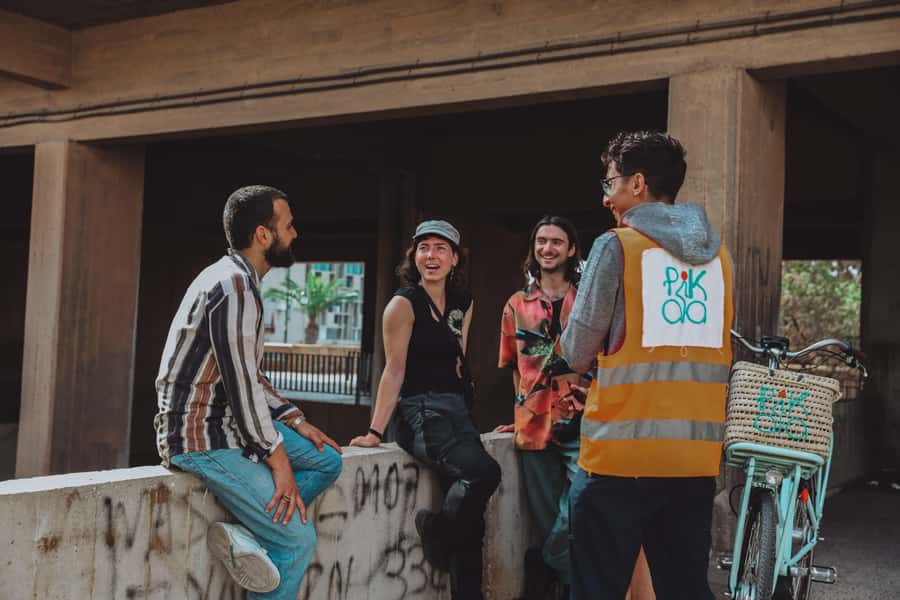
- Guides bring personal stories: Young Pikala guides explain growing up in Morocco, family life, religion, and modernization.
- The ride covers more ground: Electric bikes make it easier to reach places that would take longer on foot.
- Food is part of the tour: Fruit, juice, Moroccan pastries, tea, and café drinks are included.
- Traffic is part of the experience: The ride is fun, but city cycling requires attention and confidence.
- Only four people join: The small group suits anyone who prefers conversation over a large coach tour.
Why this Agadir bike tour feels different
Many Agadir outings focus on the beach, the corniche, or a short list of major sights. This experience takes another route. You see places that explain how the city functions: a public bakery, the main market, cafés, places of worship, older civic buildings, and streets where residents handle their daily business.
That difference matters. Agadir was rebuilt and reshaped after the 1960 earthquake, so its story is not only about old monuments. It is also about architecture, modernization, changing neighborhoods, and the way different communities have lived alongside one another. Your guide connects those subjects to personal experience rather than reading out a long script.
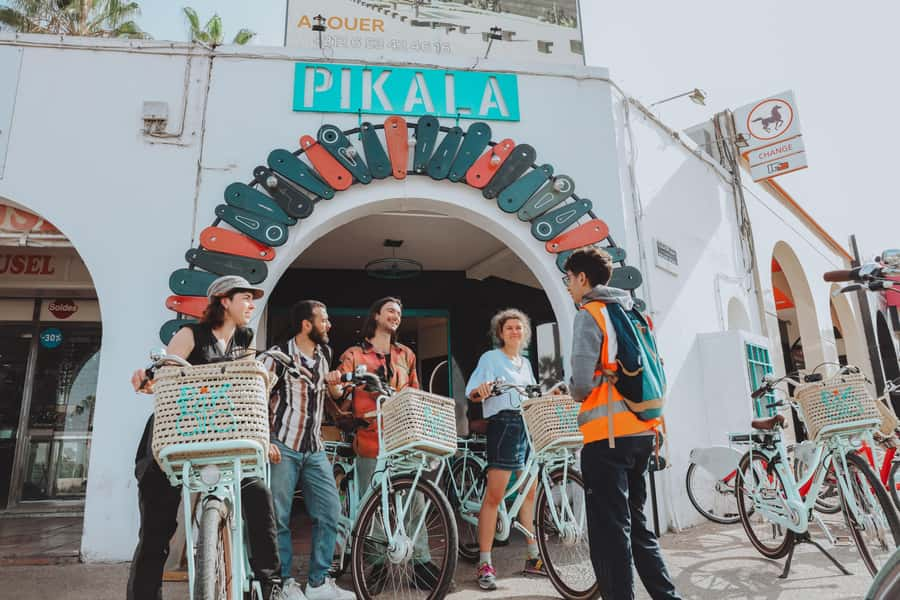
The tour is run by Pikala Bikes, a local NGO that trains young people as guides. That gives the outing a social purpose, but you are still buying a proper activity, not making a donation disguised as sightseeing. You ride, stop often, eat and drink, ask questions, and get a useful introduction to Agadir.
The guides are a major part of the experience. Dounia is described as patient with new riders, while Saad was praised for keeping a comfortable pace and explaining the city clearly. Malika, Ennis, Milinka, and other young guides bring their own style. Availability depends on the day, so you should not book expecting one particular person unless the operator confirms it.
More Cycling Trips in the world:
- Lion City Bike Tour of Singapore
★ 5.0 · 6,211 reviews - Big Bike tour Amsterdam – See all in 3 unforgettable hours
★ 4.7 · 4,929 reviews - 3-Hour Porto Highlights on a Electric Bike Guided Tour
★ 5.0 · 4,392 reviews
Starting at Pikala Bikes near the tourist district
The tour begins at the Pikala atelier near Hotel Igoudar in Agadir’s tourist area, next to Banque Populaire. There is no hotel pickup or drop-off, so you need to make your own way there.
This meeting point is useful if you are staying near the central hotel zone, though you should allow time to find the workshop. One past rider found it easy to locate, but it is still sensible to check the route before leaving your hotel.
At the start, you get an electric bicycle and time to get used to it. This is important. Some participants were already comfortable on bikes, while others needed a slower introduction. Tell your guide if you want a few extra minutes before entering busier streets.
The bicycles are generally comfortable beach-style bikes, though some have seen better days. One rider received a smaller mountain bike because the standard bicycles were too large. That suggests the team tries to solve fit problems, but you should mention your height or concerns at the beginning.
Wear comfortable clothes and closed, comfortable shoes. Suncream is supplied, and water is included, but Morocco’s sun can still be strong. The electric motor helps with effort, yet this remains a cycling tour, not a vehicle ride with occasional photo stops.
Mohamed V Mosque and Agadir’s civic center
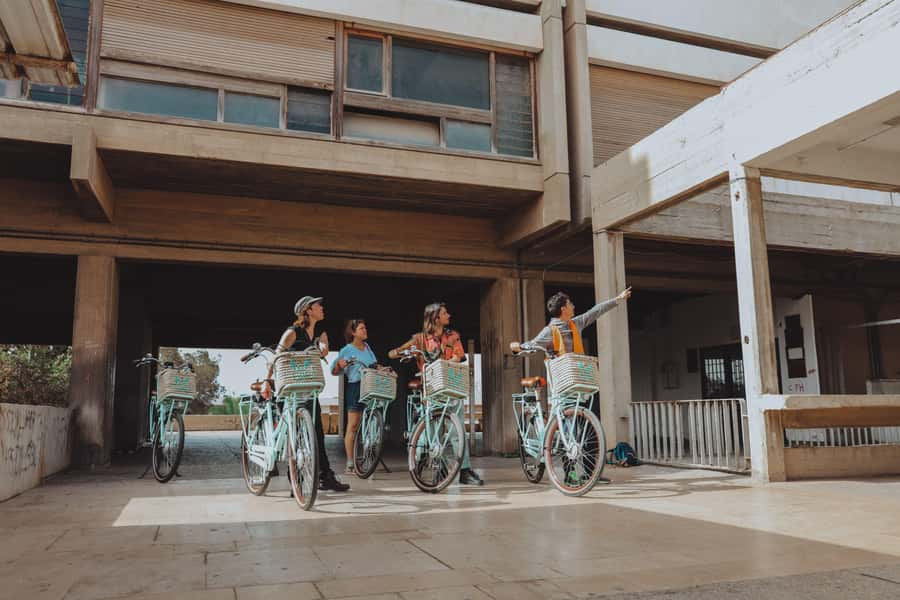
The first named stop is Mohamed V Mosque, where you spend about 10 minutes sightseeing. The stop gives your guide a chance to explain the place within the city and to discuss religion in everyday Moroccan life.
Do not expect a long interior visit. The schedule lists a short stop, so think of it as a cultural introduction and an opportunity to look closely at the building before continuing.
Next comes the Main Post Office, also for around 10 minutes. This stop may sound ordinary, but it helps show the civic side of Agadir. The tour is interested in how the city works, not only in grand attractions.
That approach suits you if you enjoy architecture and daily routines. If you want extended time inside historic monuments, this tour may feel too quick. Its strength is variety and conversation rather than deep visits at one or two major sites.
Civil Protection and a pause in the ride
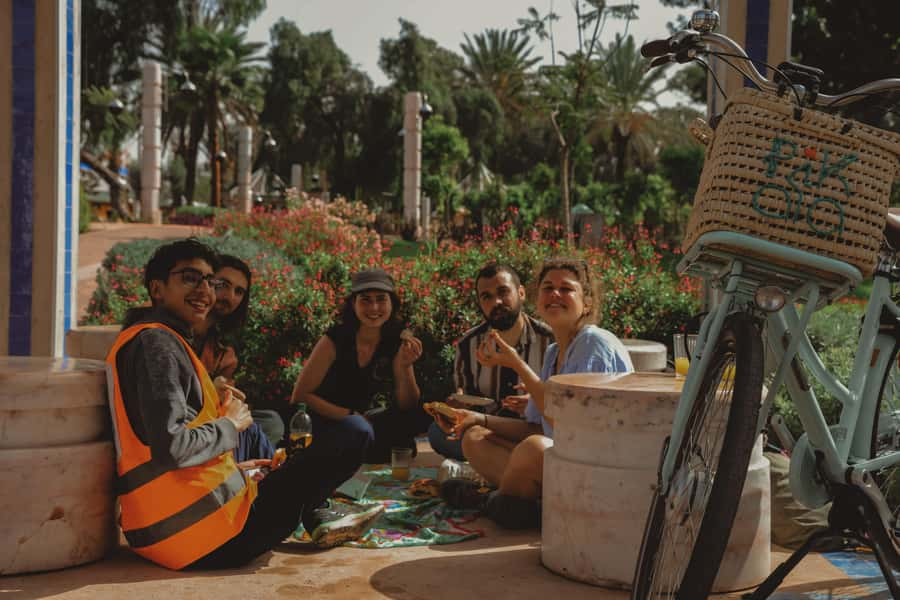
The Civil Protection stop lasts about 20 minutes and includes a break and photo opportunity. It gives you a chance to get off the bike, stretch, and take in another piece of Agadir’s public architecture.
The pause also helps keep the ride manageable. Three hours can pass quickly when you are moving between stops, so a planned break is welcome, especially in warm weather.
Your guide may use this point to discuss the city’s changing design and the practical side of Moroccan urban life. The tour’s explanations are shaped by the guide’s own experiences, so the conversation can move beyond dates and building names.
Same roads, a different ride:
- Ninh Binh Full-Day Tour from Hanoi to Hoa Lu, Tam Coc & Mua Cave Via Boat & Bike
★ 5.0 · 4,384 reviews - Small Group Guided Bike Tour of Amsterdam’s Hidden Gems
★ 5.0 · 3,936 reviews - 3-hour Complete Prague Bike Tour
★ 5.0 · 3,674 reviews - Bangkok: Temples, Canals & Local Life Bike Tour
★ 4.9 · 3,511 reviews
Synagogue, Cinema Salam, and Saint Anne Church
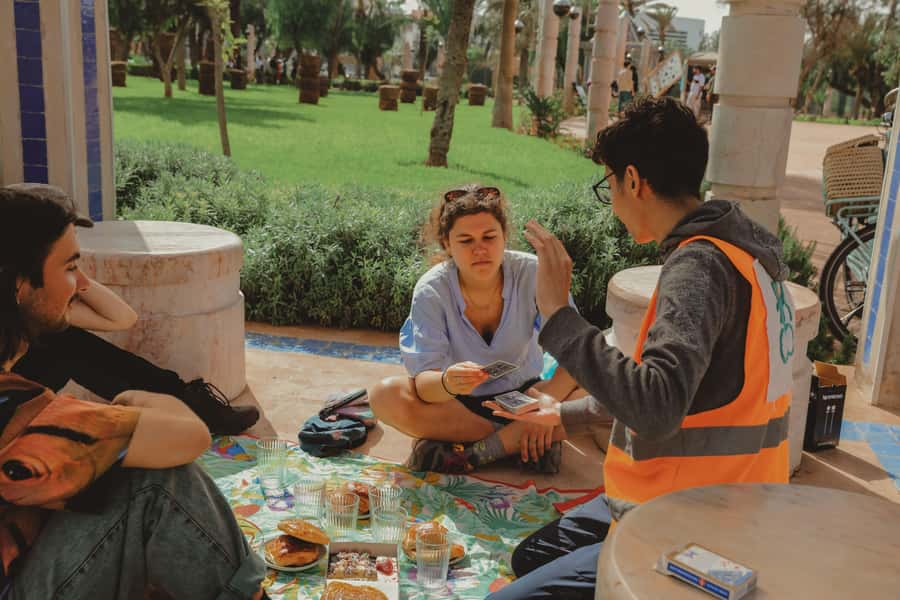
The route then passes the synagogue and Cinema Salam, with time for sightseeing along the way. The synagogue is mainly a pass-by stop, while the cinema offers another reminder that Agadir has several layers of civic and cultural life.
Saint Anne Church receives a longer stop of about 20 minutes, including photos and sightseeing. Together, these buildings form one of the tour’s clearest lessons: Agadir’s identity is not limited to one faith, one architectural style, or one period of development.
The guide can explain how religious communities and modern city life fit together. You may also hear about the balance between tradition and change, a subject that comes up throughout the tour.
The schedule is fairly active here. You will not spend a full hour at each building, so keep your camera ready and listen while riding between stops. The appeal is seeing several contrasting sites in one outing.
Quartier Industriel and the working side of Agadir
The ride continues through Quartier Industriel, the industrial quarter. This is not a polished sightseeing district, and that is exactly the point.
Here you get a look at a part of the city that most short visits skip. Your guide can place the tourist zone, residential streets, workshops, and working areas into a larger picture. Cycling makes this especially useful because you pass through the city at street level instead of viewing it through a bus window.
The ride through ordinary neighborhoods also creates room for spontaneous questions. Ask about shops, family routines, transport, work, or how young Moroccans see the city. The young guides are encouraged to bring their own stories, and the personal exchange is one of the tour’s strongest features.
Souk El Had, fruit, and the taste of everyday shopping
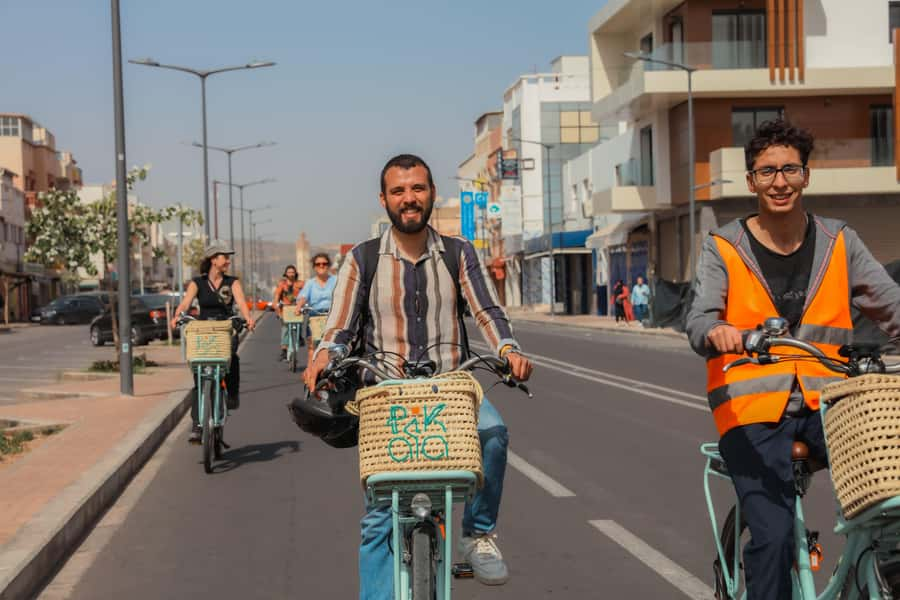
Souk El Had is the longest stop on the route, with about 20 minutes for a guided visit and walking. This is Agadir’s main market, where you can expect a more active setting than the quieter café stops.
The tour includes fresh fruit from the market. Water and fruit are also supplied during the experience, so you are not left to manage refreshments on your own.
Twenty minutes is enough for an introduction, but not for a full market expedition. You will need to stay with the group and keep an eye on the clock. If you want to shop at length, plan a separate visit.
The market stop is valuable because your guide can explain what people buy and how the market fits into city life. You see more than displays made for tourists. At the same time, markets can be crowded and busy, so this is one point where you should keep your belongings secure and follow the guide’s instructions.
One earlier rider enjoyed a sugar cane, ginger, and lemon drink at the souk. The exact refreshment may vary, but the tour clearly makes room for local tastes rather than relying only on bottled drinks.
The Royal Palace and the return ride
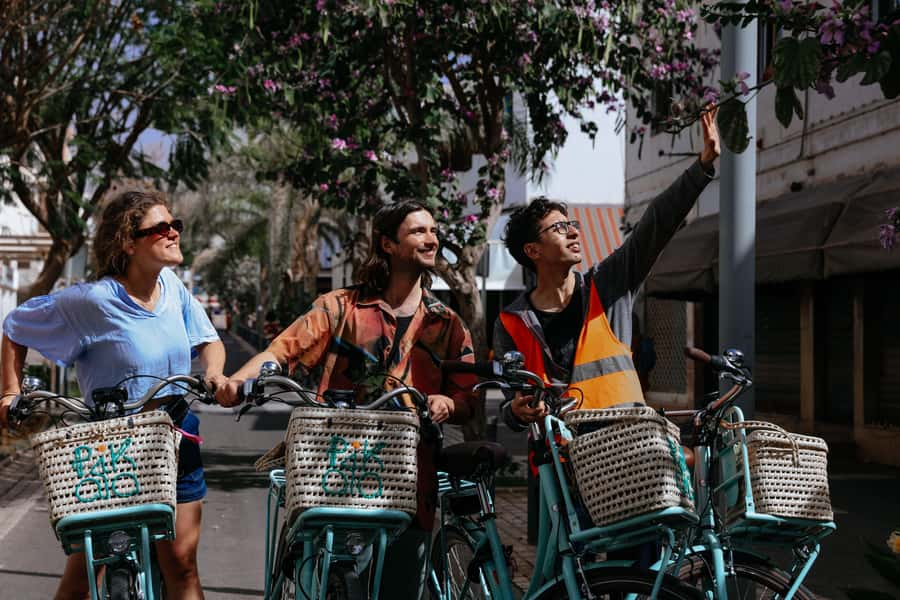
The Royal Palace is a photo stop and pass-by visit. You will not enter the palace, but the stop adds another point of interest to the route and gives your guide a chance to talk about Morocco’s royal presence.
After that, you return to Pikala Bikes. The ride back completes a loop through several sides of Agadir, from public buildings and religious sites to market streets and local cafés.
The route covers a lot in three hours. You should expect brief visits, regular movement, and explanations while standing or riding. This is a good format if you want an overview that helps you decide what to revisit later.
Public bakery, hammam, and café conversations
The tour also includes local stops that are central to its cultural purpose. You visit a public bakery and learn about the role of shared food production in daily life. You also see a traditional hammam bathhouse, an important part of Moroccan social and personal routine.
The hammam visit should be understood as an introduction, not a spa treatment. No bathing session is included in the information provided. Your guide explains what the bathhouse means and how it fits into local life.
The café stop is one of the most enjoyable parts for many people. You receive juice and Moroccan pastries at a cultural café, then make a quick tea stop at a second café near the end. Tea and small sweets create a relaxed setting for questions that are harder to ask while cycling.
This is where the experience moves beyond sightseeing. Guides talk about growing up in Morocco, family expectations, religion, modernization, and the small details of daily life. They may also teach you a few Arabic words or introduce a local card game over coffee.
The café time is not a formal lecture. It is a chance to talk. If you are curious and willing to ask respectful questions, you will get more from it than someone who only wants a list of monuments.
The electric bikes, traffic, and riding pace
Electric assistance makes this route more approachable than a standard bicycle tour. You can cover more ground without working as hard, and the motor is useful when the city streets or distance begin to wear you down.
Still, the bikes are not magic carpets. You need to pedal, steer, stop, and pay attention. Several riders enjoyed the pace, while others found traffic challenging. That is the most important practical point in deciding if this tour suits you.
Agadir’s streets can feel hectic, and the route includes city traffic. Your guide sets the pace and helps the group, but you should have basic cycling confidence. If you have not ridden for years, tell the guide at the start rather than trying to hide your nerves.
The bikes may be a little dated. Some riders saw that as part of the relaxed character of the outing, while others may prefer newer equipment. The team has different bike sizes and may provide an alternative if the standard model does not fit, but you should raise the issue early.
The tour is not suitable for pregnant women or people with back problems. That restriction makes sense given the riding position, street surfaces, and need to handle the bike in traffic.
What $34 includes and what it does not
At $34 per person, the tour offers solid value if you want transport, a guide, food, drinks, and cultural context in one package. You are paying for three hours of movement around the city, not simply for bicycle hire.
Included are water, fruit, juice, Moroccan pastries at the cultural café, tea at a second café, suncream, and free entry to the local stops. These small additions matter because they keep you comfortable and make the food element feel like part of the experience rather than an optional extra.
Hotel pickup and drop-off are not included. You also need to get yourself to the Pikala workshop and return from there.
The group is limited to four people, which is a strong value point. A private guide is not advertised, but a group of four is small enough for direct conversation and easier riding than a large cycle procession.
You can cancel up to 24 hours before the start for a full refund, and you can reserve now and pay later. Starting times depend on availability, so check the schedule before making other plans.
Who should book this experience?
I would choose this tour if you want to understand Agadir beyond its hotel zone. It suits curious first-time visitors, solo riders, couples, and small groups who enjoy asking questions and seeing ordinary parts of a city.
It is especially good for anyone interested in Moroccan family life, religion, architecture, food, and the push and pull between tradition and modern city living. The young guides add warmth and personal detail, while the small group keeps the exchange relaxed.
I would be more cautious if you dislike cycling near traffic, need a very smooth route, or want long visits inside major monuments. The schedule is active, the stops are often short, and the bikes may not feel brand new.
You should also choose another activity if you are pregnant or have back problems. Comfortable clothing, suitable shoes, and a willingness to ride at street level are essential.
FAQ
How long is the electric-bike tour?
The tour lasts three hours, including the cycling route, sightseeing stops, market visit, café refreshments, and return to Pikala Bikes.
How much does the tour cost?
The price is $34 per person.
Where does the tour start?
It starts at Pikala Agadir, near Hotel Igoudar in Agadir’s tourist area, next to Banque Populaire.
Is hotel pickup included?
No. Hotel pickup and drop-off are not included, so you must make your own way to the Pikala workshop.
What languages does the guide speak?
The live tour is available in English, French, and Arabic.
How many people are in the group?
The group is limited to four participants.
What is included in the price?
The price includes water, fruit, juice, Moroccan pastries at a cultural café, a quick tea stop at a second café, suncream, and free entry to the local stops.
Should you book the Pikala electric-bike tour?
Book it if you want a personal introduction to Agadir, not a checklist of famous sights. The public bakery, Souk El Had, religious buildings, cafés, and conversations with young local guides give you a better sense of the city’s daily rhythm.
The strongest reasons to go are the small group, the social purpose behind Pikala, the generous refreshments, and guides who explain Morocco through their own lives. The main tradeoff is traffic and equipment that may feel a little worn.
For confident cyclists who want local context and a lively three-hour route, $34 is a fair price. For anyone uneasy on a bike, the same itinerary may feel more stressful than rewarding.
New cycling reviews around the world
- Riga: Beer or Cider Bike Tour★ 4.7 · 121 reviews
- Ria Formosa: Guided Bike Tour (3h), Início na Quinta do Lago★ 4.8 · 14 reviews
- Riga Explorer Bike Tour★ 4.8 · 127 reviews
- Rio de Janeiro: Guided Bike Tours in Small Groups★ 4.5 · 133 reviews
- Rethymno: Guided e-Bike Tour on Mili Gorge and Soft Drinks★ 4.9 · 36 reviews
- Rhodes: Anthony Quinn Bay E-Bike Tour with Snorkeling★ 4.9 · 15 reviews
- Rhodes: eBike Highlights Tour w/ Personal Photographer★ 4.9 · 99 reviews
- Rent a bike in Amsterdam | 1, 2, 3+ hours★ 4.5 · 68 reviews
Morocco Cycling Tours, compared.

Marrakech: Cultural Bicycle Tour with Pastry and Tea
Read our review →
Marrakech:Guided City Cycling Tour – Culture, Colors & Charm
Read our review →
Marrakesh: Toubkal National Park Mountain Bike Trip w/Lunch
Read our review →Browse the lists this ride appears in