
Review · COASTAL AND ISLAND BIKE TOURS
Authentic North East Coast E-bike Guided Tour
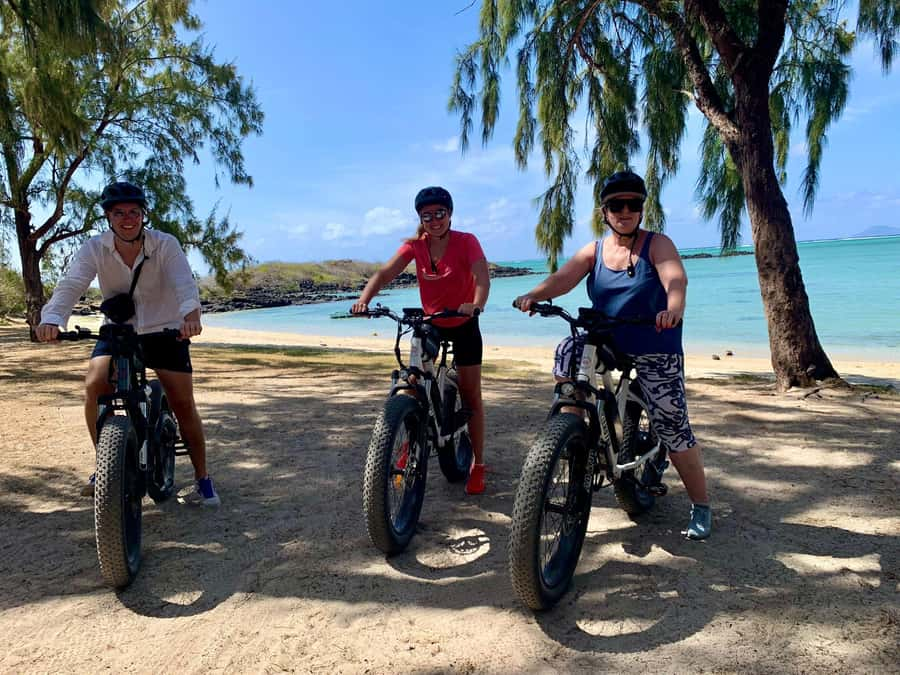
Mauritius has plenty of postcard beaches, but this 32km north-east coast ride aims at something less polished: fishermen’s landing stations, small villages, Hindu temples, a local market, mangrove sites, and beaches where you may see very few people. Parmeet leads the route, with Bindia also helping when needed, and the tour uses headsets so you can hear directions and local stories while riding.
I like the way the tour combines real local life with useful adventure. You are not simply pedaling beside the sea. You stop for Mauritian food, look into village life, see an oyster farm in a protected mangrove area, and visit the two oldest living Aldabra tortoises in Mauritius. I also like the fat-tire e-bikes, which take much of the strain out of a long ride.
The main caution is that this is still a serious cycling outing. You need good cycling skills, sports shoes, and a height of at least 155cm. Frequent stops and getting on and off the bike can be tiring, particularly for older riders, and loose clothing is not allowed.
The details that make this ride different
- A 32km route beyond resort Mauritius: The ride passes through Cap Malheureux, St Francois, Grand Gaube, fishing communities, quiet beaches, and small Hindu and Creole villages.
- Powerful Raptor fat-tire e-bikes: The wide tires and 55-watt motor help with comfort and effort, though you still need to handle the bicycle confidently.
- Food is part of the tour: Lunch includes vegetarian and non-vegetarian Mauritian options, with local snacks and a bakery pastry also possible along the way.
- Wildlife with a local setting: You visit a mangrove reserve, a traditional oyster farm, a sea turtle sanctuary, and two Aldabra tortoises more than 100 years old.
- Small-group guidance: The activity is advertised for a small group, with the current details stating a limit of eight participants. Confirm the exact group size when booking, since another description mentions up to 10.
- Quiet coast rather than resort glamour: This is for you if you want ordinary villages, local food, and peaceful shorelines, not a day of fashionable beach clubs.
Why this side of Mauritius is worth your time
The north-east coast gives you a different view of Mauritius. At the famous beach areas, the island can feel built for visitors. Here, the route points toward fishing villages, religious sites, markets, and small roads where daily life is the main attraction.
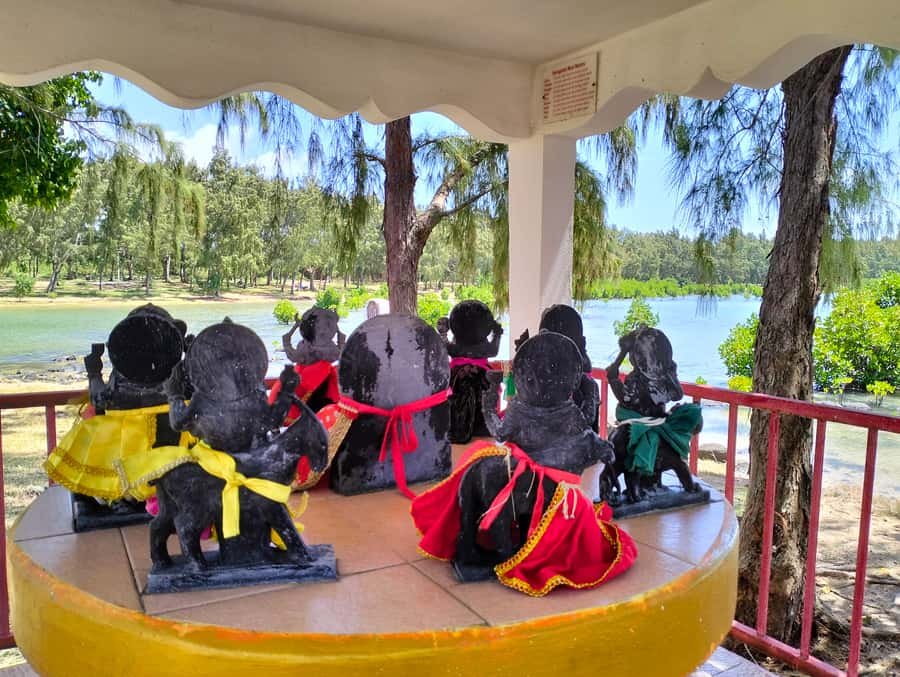
That difference matters. You get context for the beaches and lagoons instead of only photographing them. At a fishermen’s landing station, you can see how the coast supports local families. At the traditional fish market in Grand Gaube, you get a more direct sense of the island’s food culture. The route also includes a Tamil temple, a Hindu temple, a village church, and a small traditional Creole village.
I especially like that the tour does not treat culture as a staged show. The experience is built around places that are part of the community. You should still behave respectfully: dress sensibly around religious sites, listen to the guide’s instructions, and ask before photographing people.
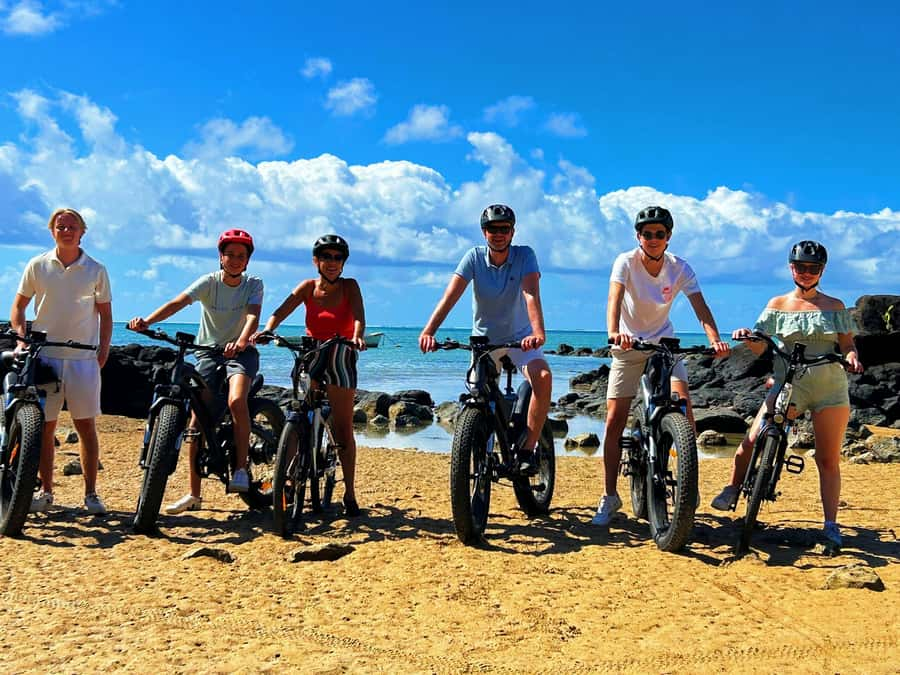
Parmeet’s role is important here. He provides riding directions through a headset and explains the history and culture of Mauritius along the way. That makes the ride easier to follow, especially when the group is moving through roads and villages. Bindia may also assist, and the small group format allows the guides to keep an eye on riders.
More E-Bike Tours in the world:
- 3-Hour Porto Highlights on a Electric Bike Guided Tour
★ 5.0 · 4,392 reviews - Lisbon: Hills, Alfama, and Mouraria Tour by Electric Bike
★ 4.8 · 3,438 reviews - Athens Scenic Electric Bike Tour with optional Acropolis visit
★ 5.0 · 3,350 reviews
Starting at Storm E-bikes Tours
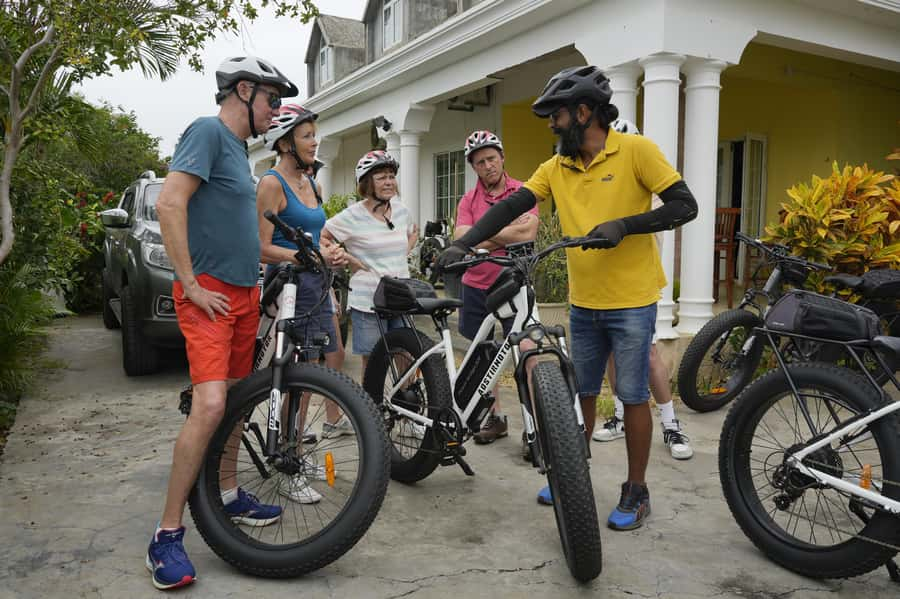
You are asked to arrive at 8:30am for instructions and a test ride. The tour begins sharply at 9am, so allow time to find Storm E-bikes Tours on Google Maps and get comfortable with the equipment.
The starting area has a tight turn into the parking space, so approach carefully. Once you are there, the guide explains how the bike works and gives you a chance to try it before setting off. Several riders had never used an e-bike before and found the controls manageable after this introduction, but that should not be confused with a beginner cycling lesson.
The bikes are Raptor fat e-bikes with wide tires and a 55-watt motor. That combination is useful over a five-hour ride because the motor reduces the effort needed to cover 32km. You still steer, brake, balance, and manage traffic or uneven surfaces yourself.
Wear sports shoes and practical clothing. Avoid loose garments, and consider bright or high-visibility clothing because one rider specifically suggested wearing day-glo clothing. Bring your own refillable water bottle. Water is not listed as an inclusion.
Cap Malheureux and the first coastal views
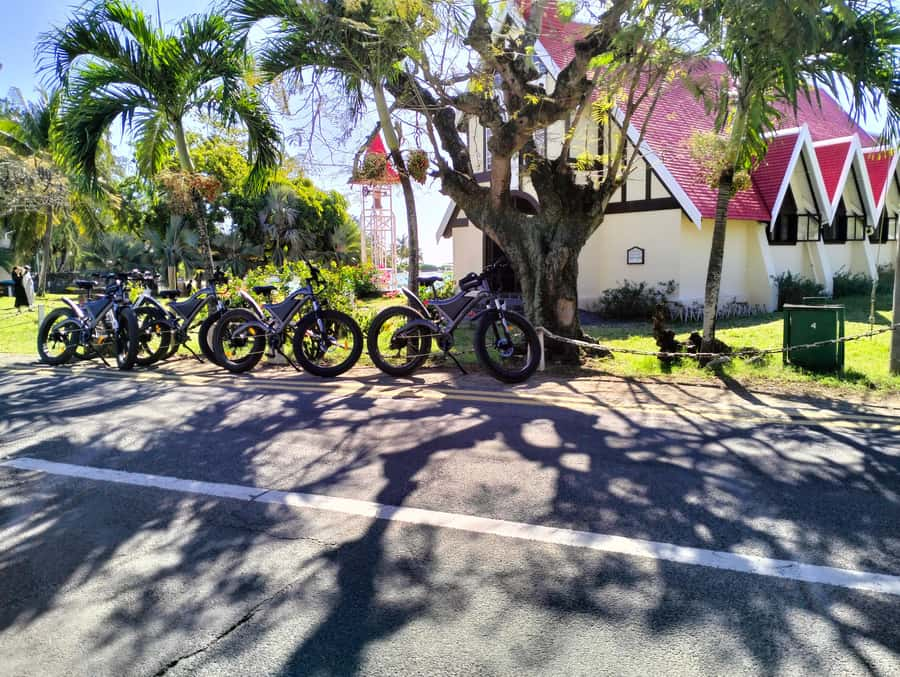
The first named stop is Cap Malheureux, where you spend about 30 minutes taking in the village and views along the coast. This section helps set the tone: scenic, local, and less focused on resort facilities.
Cap Malheureux is a useful opening stop because you are not thrown straight into a long ride. You can settle into the e-bike, look around, and get a feel for the pace. The route is designed with many stops rather than one uninterrupted push, so the morning has a sightseeing rhythm.
Do not expect a full beach day here. The point is to see the village and coast from a bicycle, then continue. The tour moves through several places, and the overall distance means each stop has a limited time allowance.
Fishing villages, St Francois, and Grand Gaube
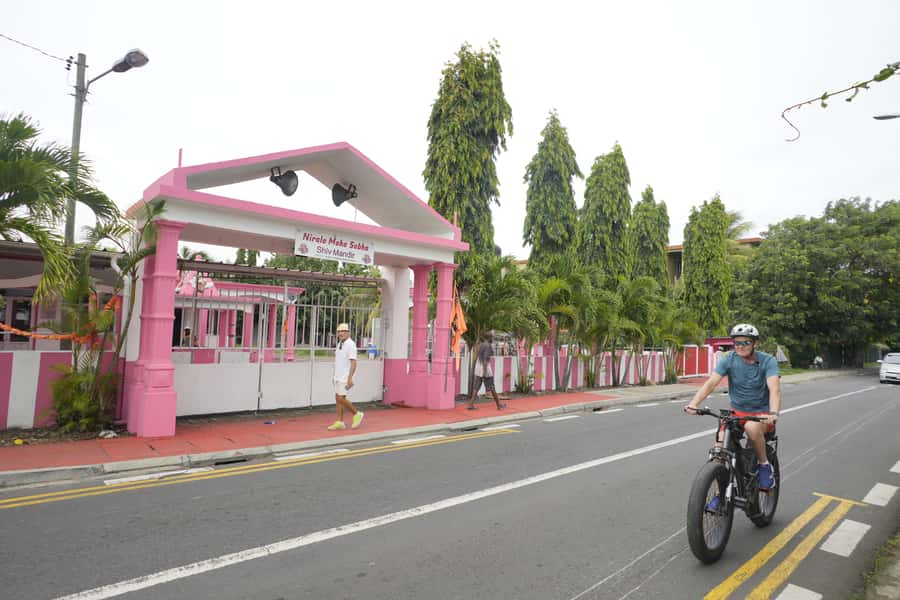
The route continues through St Francois and toward Grand Gaube, with visits to fishermen’s areas and local villages. This is where the tour earns its title. You get away from the familiar visitor circuit and see parts of the island that are easy to miss from a car or resort transfer.
The fishermen’s landing station gives you a practical look at coastal work. Grand Gaube adds a traditional fish market, where the focus is local food rather than a display arranged for sightseeing. The guide’s explanations help connect these stops with Mauritius’s past and present.
You also pass through a small traditional Hindu village and see Tamil and Hindu temples. A Creole village and its church add another layer to the route. Mauritius has several cultural and religious traditions living side by side, and this ride gives you a compact way to see that variety.
The drawback is that this is an active route, not a slow walking tour. You may stop for 30 minutes in one place and then ride onward. If your main goal is long, quiet time at a single beach, this format may feel busy.
More Coastal and Island Bike Tours in the world:
- From Perth: Rottnest Island Full-Day Bike and Ferry Trip
★ 4.7 · 2,548 reviews - Valencia Bike Tour from the City to the Beach, plus Bike Guy App!
★ 5.0 · 1,187 reviews - Electric Bike Beach Adventure with Tequila Tasting and Lunch
★ 5.0 · 1,162 reviews - Malaga Bike Tour – Old Town, Marina & Beach
★ 4.7 · 1,150 reviews
Local food in Grand Gaube
Food is not an afterthought. Lunch is included at an authentic Mauritian food stop, with vegetarian and non-vegetarian choices available every day. The vegetarian option has included fresh vegetables, rice, and several local sauces, while other food stops may include local snacks and a pastry from a bakery.
This is valuable because Mauritian food is shaped by several cultural traditions. A roadside meal gives you a better sense of everyday eating than a resort buffet, though you should expect a simple local setting rather than formal restaurant service.
The food schedule also helps break up the ride. After covering part of the route, you get time to sit, eat, and talk with the group before continuing. If you have dietary concerns beyond the stated vegetarian choice, ask before booking. The available information confirms vegetarian and non-vegetarian meals, but does not list other special-diet arrangements.
One rider felt that even more food tastings would have been welcome. That tells you something useful: food is a meaningful part of the experience, but this is not a dedicated culinary tour. The emphasis remains the bike route and local culture.
Mangroves, oysters, turtles, and old tortoises
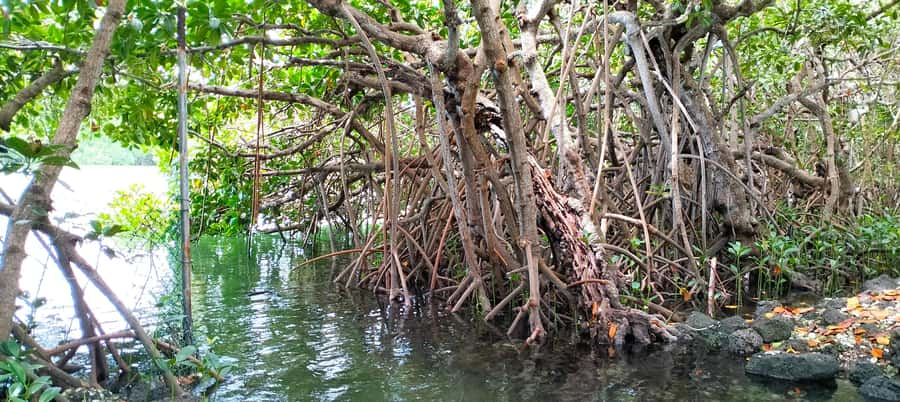
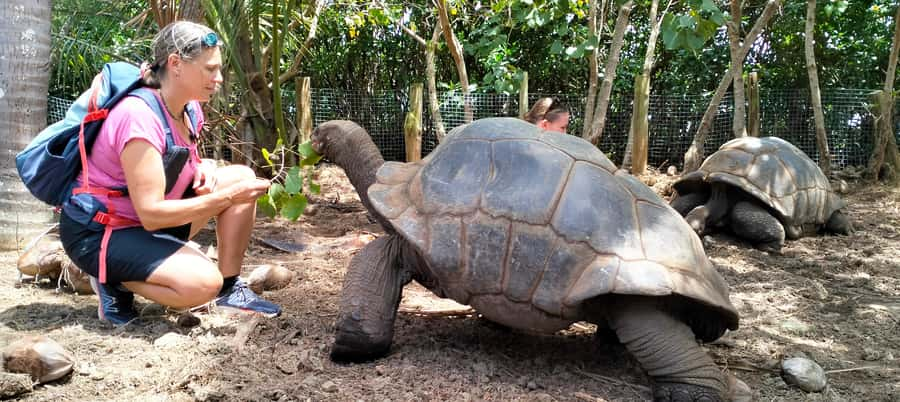
The nature section takes you into a mangrove preservation site with scenic views and wildlife. You visit a traditional oyster farm and a sea turtle sanctuary, then see two Aldabra tortoises said to be more than 100 years old.
The oyster farm is one of the more unusual stops. It ties food production to the protection of the mangrove area, showing how coastal ecosystems can support both wildlife and local livelihoods. The mangrove visit is not just a photo stop, although you should be ready for the scale of the experience to depend on conditions and the day’s timing.
The Aldabra tortoises are another memorable detail. Seeing animals that have lived for more than a century gives the day a stronger sense of place than a standard coastal cycle ride. You also get marine-life viewing at the sea turtle sanctuary.
These stops make the tour a good fit for you if you want a mix of wildlife, conservation, food, and culture. They also mean the day is not pure cycling. You will be stopping, walking, looking around, and listening throughout the ride.
Quiet beaches and island views
The later route includes peaceful beaches, fishing areas, and scenic views toward Round Island, Gabriel Island, and Flat Island. These are not presented as the polished beach stops found in resort brochures. Their appeal is the quiet setting and the chance to see the coast without a crowd.
That suits me better than a day spent moving between heavily visited viewpoints. You get time to take photographs and appreciate the shore, but the tour keeps moving. The route includes a photo stop and a longer section of roughly an hour and a half through Grand Gaube and surrounding coastal areas.
The phrase non-touristic areas should be understood in practical terms. Facilities may be limited, and the surroundings may feel ordinary rather than manicured. That is the point, but it is also why you should bring water, wear proper shoes, and avoid expecting the comfort of a resort excursion.
How difficult is the cycling?
The motor makes the distance more approachable, but the tour still requires good cycling skills. You need to be comfortable starting, stopping, steering, braking, and following a guide while riding.
A safety briefing is provided, and the group uses headsets so Parmeet can give directions and information. On some tours, one guide rides at the front and another at the back, helping keep the group together. The equipment is described as well maintained, which matters on a 32km route.
The repeated stops can be a mixed blessing. They give you time to see more places, but getting on and off the bike many times can challenge older riders or anyone with limited mobility. One rider in their sixties found this part harder, while a teenager in the same group managed comfortably.
The tour is not suitable for anyone under 155cm. The height rule is firm, and you should not book if you fall below it. Heavy rain can also lead to a rescheduled tour or refund.
Is $94 good value?
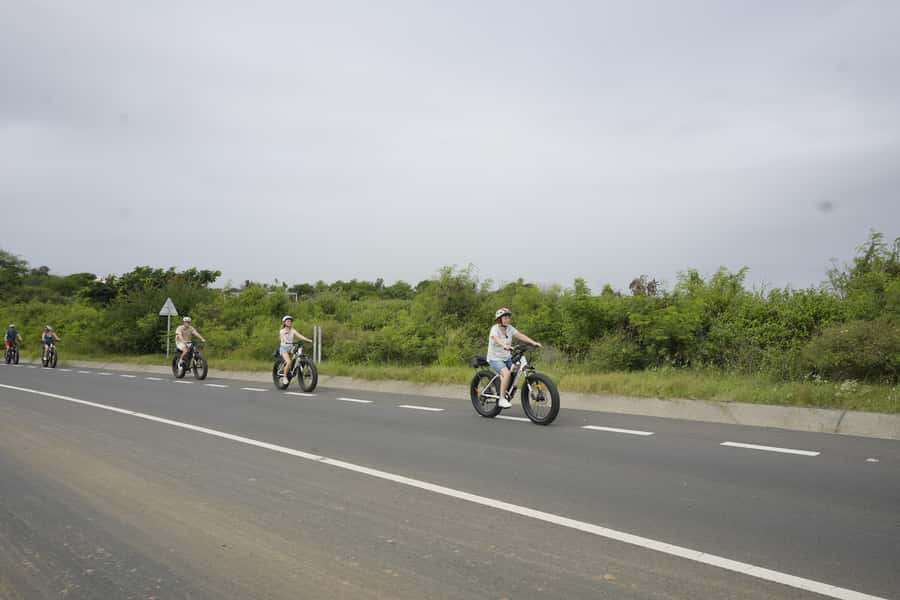
At $94 per person, the price is reasonable if you want several kinds of experience in one morning and afternoon. You get a five-hour guided route, e-bike use, local explanations, lunch, cultural stops, nature sites, and food tastings.
You are also paying for a route that would be difficult to reproduce independently in one day. Finding the smaller villages, temples, mangroves, oyster farm, turtle sanctuary, tortoises, quiet beaches, and local lunch stop would require transport, planning, and local contacts.
The value is weaker if you only want a simple bicycle rental or a beach ride. You are paying for the guide’s route and interpretation, not just the bike. Hotel pickup and drop-off are not included, though they can be arranged for a minimum additional fee.
The free cancellation policy allows cancellation up to 24 hours before the activity for a full refund, and reserve-now-pay-later booking is available. Those terms give you some flexibility, but still check the exact start time and transport arrangements before finalizing your plans.
Who should book this north-east coast ride?
I would choose this tour if you want to see everyday Mauritius beyond the major visitor areas. It is especially suited to confident cyclists, couples, families with older children who meet the height rule, and anyone who enjoys mixing food, history, wildlife, and outdoor activity.
It is also a smart choice after several days at a resort. The ride gives you a change of pace without requiring a full-day expedition. You get beaches, but also markets, temples, villages, conservation sites, and lunch.
I would hesitate if you dislike cycling, find frequent mounting and dismounting difficult, or want a relaxed beach excursion with almost no physical effort. The e-bike reduces the work, but it does not remove the need to ride safely for several hours.
Should you book it?
Book this tour if the phrase real Mauritius means local villages, religious sites, fishing communities, simple food, and quiet coastal places rather than only famous beaches. The strongest reasons to go are the carefully chosen route, the powerful bikes, Parmeet’s clear guidance, the small-group setting, and the unusual mix of tortoises, mangroves, oysters, turtles, and Mauritian cuisine.
Before booking, confirm the group size, arrange transport if needed, check that everyone is at least 155cm tall, and make sure each rider has good cycling skills. Bring water, sports shoes, and bright clothing. If heavy rain is forecast, expect the tour to be rescheduled or refunded.
FAQ
How long is the Authentic North East Coast E-bike Guided Tour?
The tour lasts five hours and covers about 32km by e-bike.
What time should I arrive?
You should arrive at Storm E-bikes Tours at 8:30am for instructions and a test ride. The tour starts at 9am.
What languages does the guide speak?
Guidance is available in English and French. Headsets are used so the guide can provide directions and information during the ride.
Is lunch included?
Yes. Lunch includes authentic Mauritian cuisine, with vegetarian and non-vegetarian options available.
What should I bring?
Bring your own water bottle and wear sports shoes. Loose clothing is not allowed.
Who cannot take part?
The activity is not suitable for people under 155cm. Good cycling skills are also required.
New cycling reviews around the world
- Riga: Beer or Cider Bike Tour★ 4.7 · 121 reviews
- Ria Formosa: Guided Bike Tour (3h), Início na Quinta do Lago★ 4.8 · 14 reviews
- Riga Explorer Bike Tour★ 4.8 · 127 reviews
- Rio de Janeiro: Guided Bike Tours in Small Groups★ 4.5 · 133 reviews
- Rethymno: Guided e-Bike Tour on Mili Gorge and Soft Drinks★ 4.9 · 36 reviews
- Rhodes: Anthony Quinn Bay E-Bike Tour with Snorkeling★ 4.9 · 15 reviews
- Rhodes: eBike Highlights Tour w/ Personal Photographer★ 4.9 · 99 reviews
- Rent a bike in Amsterdam | 1, 2, 3+ hours★ 4.5 · 68 reviews
Coastal and Island Bike Tours, compared.
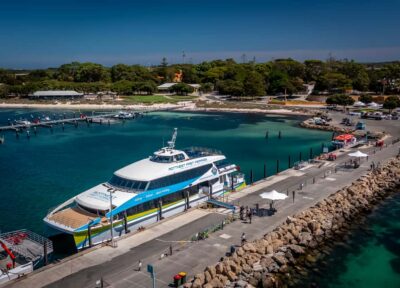
From Perth: Rottnest Island Full-Day Bike and Ferry Trip
Read our review →
Valencia Bike Tour from the City to the Beach, plus Bike Guy App!
Read our review →
Electric Bike Beach Adventure with Tequila Tasting and Lunch
Read our review →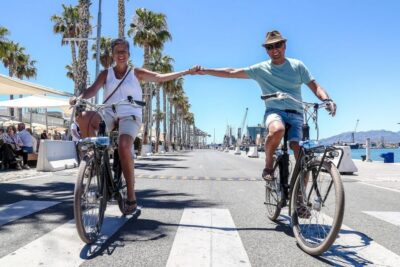
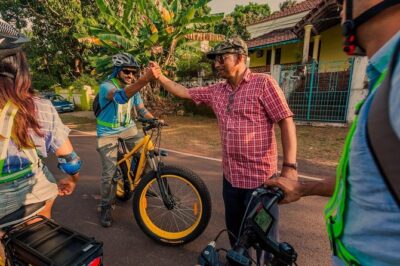
BLive Electric Bike Tours – Discovery of Divar Island
Read our review →
From Fremantle: Rottnest Island Ferry and Bike Day Tour
Read our review →
From Seoul: Nami Island, K-drama Garden & Rail Bike Day Tour
Read our review →
Varca Coastal E-Bike Tour: Scenic Beachside Adventure
Read our review →Browse the lists this ride appears in