
Review · USA
Boston City View Bicycle Tour: History and Landmarks
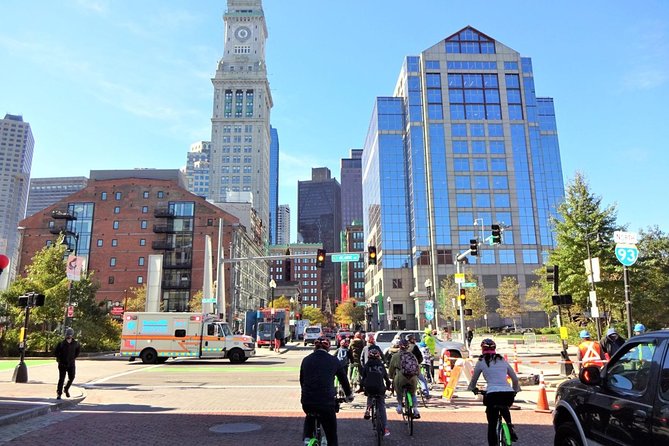
Boston makes sense from a bicycle seat. In about two and a half hours, you can connect the North End, Beacon Hill, Back Bay, Fenway, the South End, and downtown instead of seeing each neighborhood as a separate stop. The ride covers roughly 8 to 11 miles, crosses the Freedom Trail several times, and uses streets, bike lanes, and park paths.
I like the strong mix of landmarks and neighborhoods, especially the contrast between Fenway Park, the brownstones of the South End, and the polished center around Copley Square. I also like the three-guide setup used on many rides, with one guide leading, another riding in the middle, and another at the back. The tradeoff is simple: you must be comfortable riding in city traffic, and this is not a quiet path-only outing.
Key things to know before you book
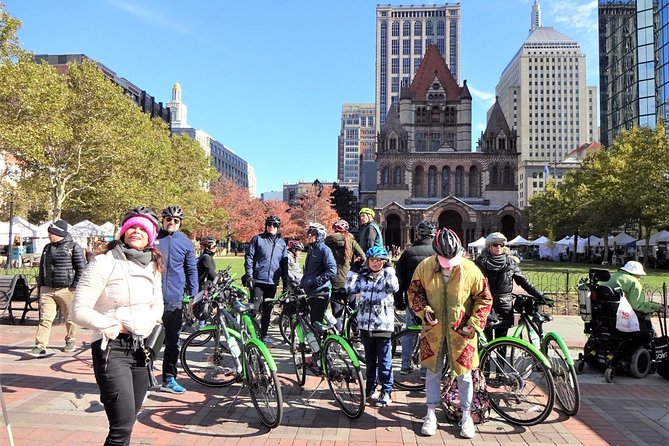
- You see six Boston neighborhoods in one ride: The route links the North End, Beacon Hill, Back Bay, the South End, downtown, and areas near Fenway.
- The ride covers about 8 to 11 miles: Most of the route is described as easy, though you may face a few small hills and city traffic.
- You get history in short, useful bursts: Guides stop at major sights and add local details while you ride.
- A hybrid bike or e-bike is available: The e-bike option must be selected when booking and may not run every day.
- You cross the Freedom Trail, but do not follow all of it: The route passes historic sites several times without trying to pedal the entire trail.
- Plan for a moderate physical outing: You need to ride in the street, wear practical shoes, and dress for the weather.
Why a bicycle is the right way to meet Boston
Boston is compact enough to explore by bike, but spread out enough that walking tours can leave large gaps between neighborhoods. This ride fills those gaps. You see how the North End meets the waterfront, how Beacon Hill gives way to the Charles River, and how Back Bay connects to Fenway and the South End.
I especially like the way the route moves between famous sights and ordinary city streets. You get the postcard stops, but you also pedal through brownstone blocks, parkland, shopping streets, and residential areas. That gives you a better sense of Boston as a lived-in city rather than a row of historic markers.
The ride is also useful early in a Boston visit. After seeing the city from the bike, you can decide where to return on foot. The North End may call you back for cannoli, the Museum of Fine Arts may deserve an afternoon, and the Isabella Stewart Gardner Museum is close enough to pair with your time around the Back Bay Fens.
More Cycling Trips in the USA:
- Guided Bike Tour of Old Town Key West
★ 5.0 · 2,611 reviews - NYC: Central Park Bike Rentals
★ 4.2 · 2,528 reviews - Red Rock Canyon eBike Half-Day Tour
★ 5.0 · 1,870 reviews
Starting in the North End at Urban AdvenTours
The meeting point is Urban AdvenTours at 103 Atlantic Avenue. The tour starts at 10:00 a.m., and you should arrive 30 minutes early for a waiver, bike fitting, helmet fitting, and a safety briefing.
That early arrival matters. You do not want to begin the ride while adjusting your seat or learning the bike controls. The staff explains what to expect, reviews road rules, and gets the group ready before leaving the shop.
The first riding area is the North End, Boston’s Italian neighborhood and the city’s oldest residential neighborhood. Expect narrow streets, historic buildings, and the smell of garlic from restaurants. Your guide can also suggest a restaurant or pastry shop at the end, including the neighborhood’s famous cannoli stops.
The North End is a good opening scene because it gives you Boston at close range. Streets are tight, so pay attention to your guide and keep your pace steady. This is one of the places where a bicycle gives you a quick look, not a long visit.
Old Ironsides, the harbor, and TD Garden
Early in the ride, you see Old Ironsides from across the water. That is the nickname for USS Constitution, one of the most recognizable historic ships in Boston. The view is brief, but it adds a maritime layer to a tour that otherwise moves through parks, neighborhoods, and downtown streets.
The route also includes a look at Boston’s newer bridge design. Your guide shares a few facts about the bridge and its inspiration, giving you a small example of how old and new Boston sit side by side.
You then pass TD Garden, home of the Boston Bruins and Boston Celtics, as well as a major concert venue. It is a quick exterior look, not a stadium visit. Still, it helps connect Boston’s sports culture with the baseball stop later at Fenway Park.
Beacon Hill and literary Louisburg Square
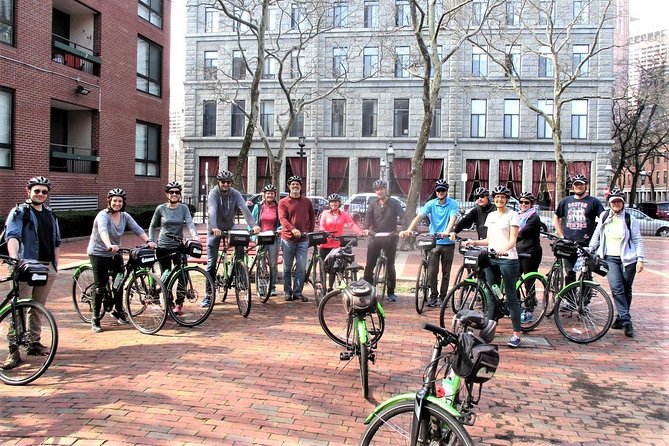
Beacon Hill is one of Boston’s most photographed neighborhoods, and you cycle through its streets rather than viewing it only from a sidewalk. The brick architecture, narrow lanes, and historic character make this one of the most atmospheric sections of the route.
A stop at Louisburg Square adds a literary footnote. Louisa May Alcott and Robert Frost lived there, and the square is known for that connection. You spend about five minutes here, so think of it as a story stop and photo opportunity rather than a full neighborhood visit.
Beacon Hill is also one of the places where the city’s hills may be noticeable. The ride is generally easy, but it is not completely flat. If you are not in regular cycling shape, choose a comfortable pace and consider the pedal-assist option.
Same roads, a different ride:
- NYC: Central Park Bike Rental
★ 4.1 · 1,651 reviews - Central Park Bike Rental
★ 4.7 · 1,509 reviews - Austin Biker Gang E-Bike Tour
★ 5.0 · 1,399 reviews - Asheville Historic Downtown Guided Electric Bike Tour with Scenic Views
★ 5.0 · 1,234 reviews
The Charles River Esplanade and Hatch Shell
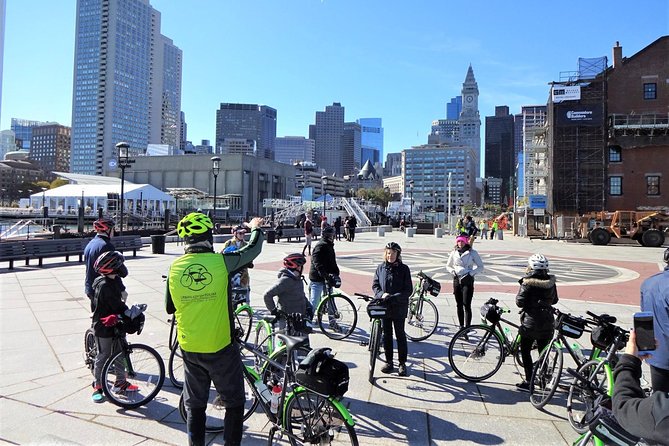
From Beacon Hill, the route reaches the Charles River Esplanade. This state-owned park follows the river and gives you a welcome break from traffic. The riding feels more open here, with views across the water and a chance to enjoy Boston’s public parks at a slower rhythm.
You pass the Hatch Shell, the outdoor concert stage associated with the Boston Pops Orchestra and Boston’s Fourth of July fireworks. It is a useful stop for understanding Boston’s civic traditions, even if there is no performance taking place during your ride.
The Esplanade section also shows why this tour is more than a checklist of buildings. Parks are a major part of Boston’s identity, and the route gives them real riding time instead of treating them as scenery seen through a bus window.
Fenway Park and the Back Bay Fens
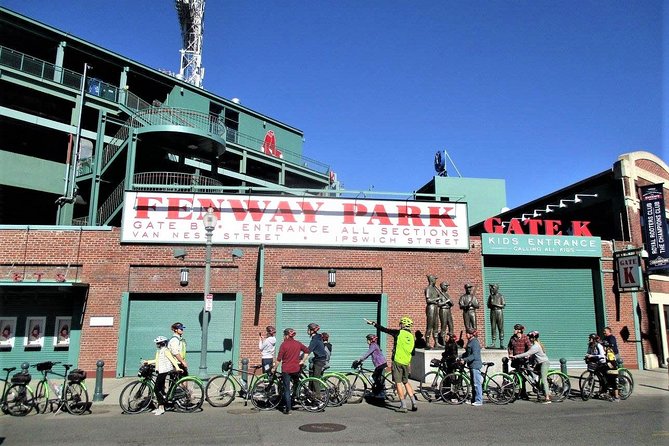
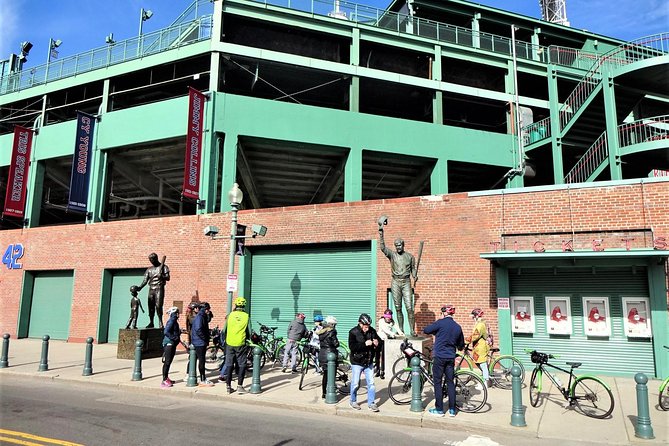
The ride continues to Fenway Park, home of the Boston Red Sox. You stop outside for about five minutes. There is no game admission or stadium tour included, but the exterior stop gives you a clear sense of the park’s place in Boston sports culture.
After Fenway, you pedal through the Back Bay Fens, part of the Emerald Necklace park system designed by Frederick Law Olmsted. The Fens include Victory Gardens dating to World War II and sit near two major museums.
This is a strong transition in the route. You move from a sports landmark into planned parkland and then toward Boston’s art institutions. It also gives you a more varied ride than a direct route through downtown streets.
Museum of Fine Arts and Isabella Stewart Gardner Museum
The Museum of Fine Arts is one of Boston’s major cultural institutions. The tour stops outside to view an installation, and banners give you a sense of current exhibitions. The museum itself is not included, so plan a separate visit if you want to go inside.
You also pass the Isabella Stewart Gardner Museum. The building and collection are worth setting aside time for on another day. The bicycle stop only introduces the museum, but it can help you decide how to use the rest of your Boston schedule.
I like this part of the ride because it gives you useful planning information. You are not spending two hours inside a museum, but you are shown where two of the city’s best-known art stops fit within the larger city map.
Christian Science Plaza and the South End brownstones
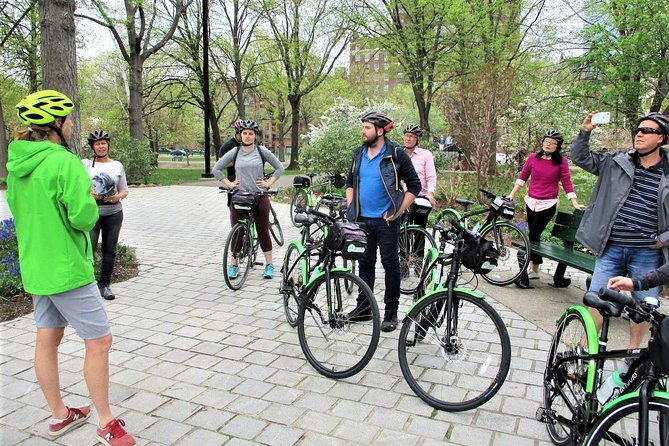
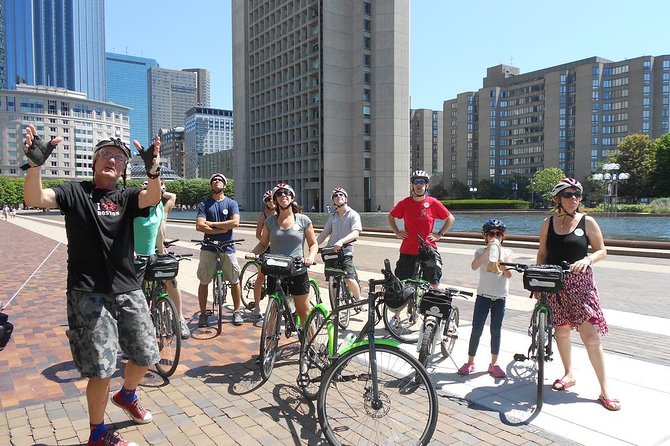
At Christian Science Plaza, the group pauses beside the reflecting pool and the striking Christian Science building. Your guide points out a notable interior feature and encourages you to return for a closer look.
The plaza is also one of the lighter stops on the ride. On hot days, people may be tempted to run through the fountains, but you should follow the guide’s directions and keep the group moving when it is time to leave.
From there, you cycle through the South End. This neighborhood is known for brownstone townhouses and cast-iron details, and it provides some of the best architectural variety on the route. The South End feels different from Beacon Hill and Back Bay, even though all three are close together.
This is the kind of neighborhood section I value most. You are not just being shown a single monument. You are seeing how building styles, street plans, and local character change within a short distance.
Copley Square and Boston’s grand center
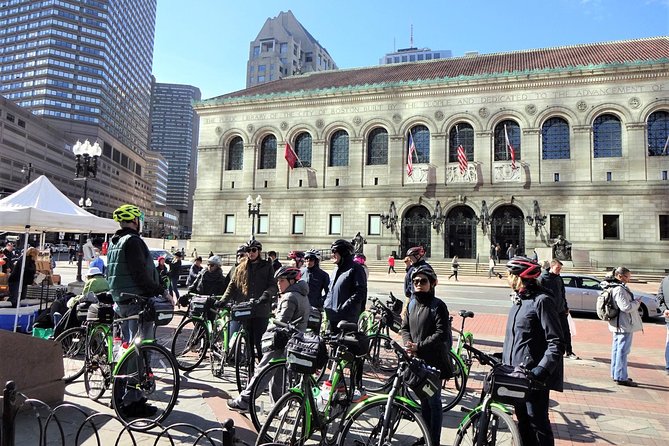
Copley Square is one of the main stops, with about 10 minutes to look around. The square is surrounded by Trinity Church, the Boston Public Library, and the John Hancock Tower. It also marks the finish line of the Boston Marathon.
The stop gives you several major Boston sights in one place. Trinity Church adds an older architectural layer, the library represents the city’s public institutions, and the John Hancock Tower brings the skyline into view.
You see the Boston Public Library and Trinity Church from the square, but admission is not part of the tour. If you want to go inside, plan another visit. The same goes for the tower, which is viewed from the outside.
Copley Square is a useful orientation point for later walking. From here, you can return to explore the Back Bay, shop along Newbury Street, or spend more time with the library and church.
Boston Common, Downtown Crossing, and the Freedom Trail
The route then reaches Boston Common, America’s oldest park. The stop is short, around five minutes, but it places you at the center of Boston’s historic core.
You cross the Freedom Trail several times during the ride, but you do not follow the entire route by bicycle. That distinction matters. The tour gives you a citywide view of the historic path and passes locations connected to the American Revolution, but it cannot replace a dedicated walking tour of the full trail.
You also ride through Downtown Crossing, Boston’s original shopping district. Along the way, you see the Old South Meeting House. The Rose Kennedy Greenway comes next, a newer public park created during the Big Dig. It includes gardens, art installations, splash fountains, and farmers markets.
These downtown stops show Boston’s layers particularly well. Old meeting houses and Revolutionary-era sites share space with modern public works and newer park design. You get a quick but useful sense of how the city has changed.
How difficult is the ride?
The tour is described as an easy to moderate city ride, with several small hills and roughly 8 to 11 miles of cycling. Some riders finish without needing an e-bike, while others may prefer the extra help. The route is not a race, and the frequent stops break up the effort.
The main challenge is not distance. It is riding in traffic. You must be comfortable sharing the street with cars, pedestrians, and other cyclists. The route uses back streets and bike lanes where available, but it is still an urban ride.
Many outings use three guides, with one at the front, one in the middle, and one at the rear. That arrangement helps keep the group together and gives you more support at intersections. The maximum group size is 32, so the actual feel can vary depending on the day.
Wear sneakers or other secure shoes. Dress for the forecast because the tour operates in all weather conditions unless poor weather causes cancellation. A helmet is provided.
Hybrid bike or pedal-assist e-bike?
You can choose a comfort hybrid bike or a pedal-assist electric bike at checkout. The e-bike option may not be available every day, and it must be selected in advance.
A pedal-assist e-bike still requires you to pedal. It is not a throttle-powered ride. The assistance can make the hills and longer stretches easier, but you remain active throughout the outing.
For an e-bike, you must be at least 16 years old and at least 5 feet tall. The tour recommends riders be 12 or older, and the company directs families toward its separate Tour de Boston bike tour.
Guides, group care, and the overall pace
The guides are a major part of the experience. Names associated with recent outings include Gary, Bob, Jon, Costa, Austin, Charles, Michelle, Ken, Warren, Caroline, Greg, Bell, and Jonathan. You may not have any particular guide, but the pattern is clear: the staff brings local stories, humor, and practical road support to the ride.
Guides often share information while the group is moving, then stop for fuller explanations at landmarks. That keeps the tour from turning into a long series of stationary lectures.
The pace is designed to balance riding and stopping. You see a great deal, but you do not get long visits at most sights. If you want detailed architecture, museum time, or a full Freedom Trail experience, use this ride as an introduction and return later.
Is $78 a fair price?
At $78 per person, this is not the cheapest way to see Boston. You are paying for a bike, helmet, fitting, guide service, safety management, and a route that covers a large part of the city in one morning. The value improves if you are new to Boston and want a fast orientation before choosing where to spend the rest of your time.
The price also makes more sense if you would otherwise pay for several separate walking tours or spend money on transportation between neighborhoods. You are getting exercise and city context at the same time.
The value is weaker if you already know Boston well, dislike riding in traffic, or prefer to spend an hour inside each historic site. This experience shows you many places from the outside and gives you short stops rather than admission-based visits.
The tour is non-refundable, and changes are not allowed after booking. If bad weather cancels the ride, you are offered another date or a full refund. The same applies if the minimum number of participants is not reached. Rebooking an outing is subject to a $20 per-person fee.
Who should book this Boston bike tour?
I would book it near the start of a Boston visit if you want to understand the city’s layout quickly. It suits active couples, families with older children, and solo visitors who enjoy local stories with their exercise.
It is a good match for you if you can ride steadily for several hours, handle city streets, and accept brief stops. It is less suitable if you want a gentle ride on separated paths, have limited cycling experience, or need frequent access to indoor facilities.
The tour is also a good choice for repeat visitors who have already seen the main historic sites on foot. The route adds the South End, Fenway, the Fens, the Esplanade, and several residential areas that can be easy to miss.
Should you book it?
Book this tour if you want a broad, active introduction to Boston and are comfortable riding around traffic. The best parts are the neighborhood changes, the park routes, the mix of old and new landmarks, and the guides’ ability to keep the group moving while adding local stories.
Skip it if your priority is a slow visit inside museums, a full walk along the Freedom Trail, or a completely car-free ride. For most first visits, though, the tour offers a smart way to get your bearings fast, and it leaves you with a useful list of places to explore on foot.
FAQ
Where does the Boston bicycle tour start?
It starts at Urban AdvenTours, 103 Atlantic Avenue, Boston, Massachusetts 02110.
What time does the tour begin?
The stated start time is 10:00 a.m. You should arrive 30 minutes before departure for check-in, fitting, and the safety briefing.
How long does the bike tour last?
The ride lasts approximately 2.5 hours, with the tour information also describing it as a 2.5 to 3-hour experience.
How far do you ride?
The route covers roughly 8 to 11 miles, depending on the exact ride.
Is a helmet provided?
Yes. Helmets are included, along with the bicycle.
Can I use an e-bike?
Yes. You may choose a comfort hybrid bike or a pedal-assist electric bike at checkout. E-bikes may not be available every day, and the option must be selected when booking.
Do I need to be comfortable riding in traffic?
Yes. You must be comfortable riding in the street alongside cars, pedestrians, and other cyclists.
Can children join the tour?
The tour recommends riders be 12 or older. For an e-bike, you must be at least 16 years old and at least 5 feet tall. Families looking for a family-focused option are directed to the separate Tour de Boston bike tour.
Does the tour follow the entire Freedom Trail?
No. You cross the Freedom Trail several times, but it is not possible to ride the entire route by bicycle during this tour.
What happens if the weather is poor?
The tour operates in all weather conditions, so you should dress appropriately. If poor weather causes cancellation, you are offered a different date or a full refund.
New cycling reviews around the USA
- Portland, Maine: Coastal Lighthouses Guided Bicycle Tour★ 4.8 · 23 reviews
- Portland: Food Carts of the Eastside Bike Tour★ 4.9 · 16 reviews
- Essential Portland: 2-Hour Guided Bike Tour★ 4.8 · 43 reviews
- Portland: E-Bike Tour at Multnomah Falls★ 4.8 · 20 reviews
- Pittsburgh: Beauty of the Burgh Bike Tour★ 4.9 · 37 reviews
- NYC: Central Park Guided Electric Bike Tour★ 4.9 · 25 reviews
- Oahu: Kualoa Electric Bike Tour★ 4.6 · 14 reviews
- Oahu: Waikiki E-Bike Ride and Manoa Falls Hike★ 4.9 · 28 reviews
USA Cycling Tours, compared.




Asheville Historic Downtown Guided Electric Bike Tour with Scenic Views
Read our review →
Browse the lists this ride appears in