Review · LISBON
Lisbon: Portuguese Petiscos Tasting Tour by E-Bike
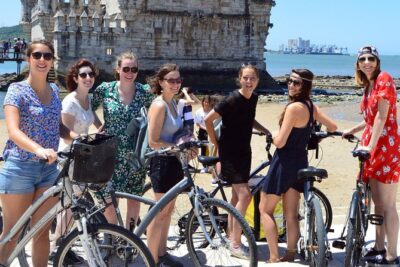
Lisbon’s food is at its best when shared in small portions, and this three-hour e-bike tour pairs those bites with a lively ride through the city center. You’ll sample four Portuguese petiscos while moving from old market stalls to renovated waterfront spaces and historic neighborhoods.
I like two things right away: the electric bike takes the sting out of Lisbon’s hills, and the food stops go beyond a quick nibble. One recent route included enough food for a full meal, with the chance to choose from a menu and eat alongside locals. The catch is the rough cobblestones. You need to be comfortable on a bike, and a sports bra is sensible for the bumpier stretches.
Key Points
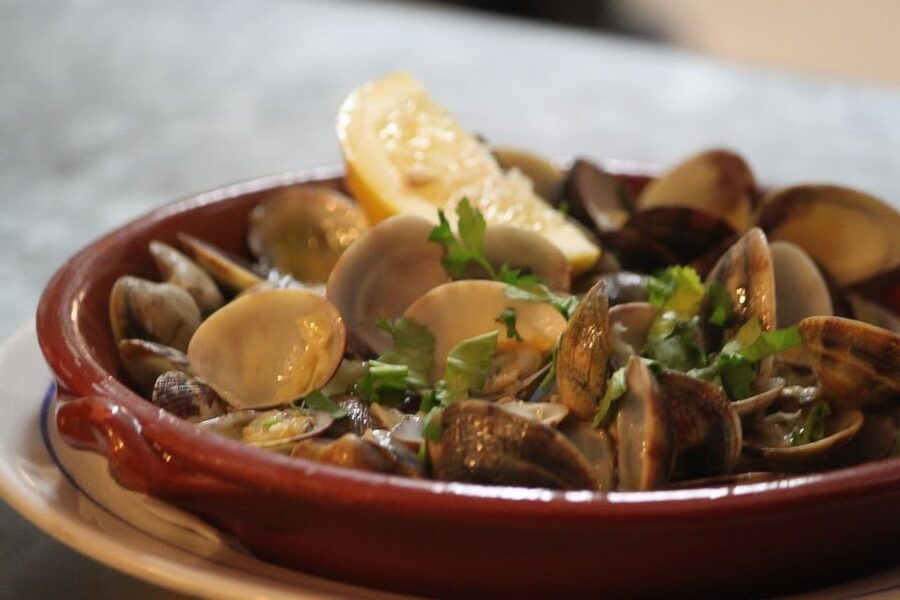
- Four petiscos tastings: Try traditional Portuguese small plates, with possible choices such as codfish cakes, clams, battered green beans, or hot pork sandwiches.
- About 10.5 kilometers by e-bike: The motor helps with Lisbon’s steep streets, though cobblestones still make the ride lively.
- Ribeira Market stop: Visit the traditional market and its chef-backed food hall for a modern take on Portuguese cooking.
- Historic route through central Lisbon: Ride through Pombaline Downtown, Chiado, Bairro Alto, Pink Street, and the Ribeira das Naus waterfront.
- Guides with strong personal reviews: Jaime, Beatrice, Daniel, and Claudio are named in the feedback, with Claudio praised for his detailed storytelling.
- Best for active food lovers: You need comfortable cycling ability, shoes suited to riding, and a minimum height of 140 centimeters.
Why This Lisbon Tour Works So Well
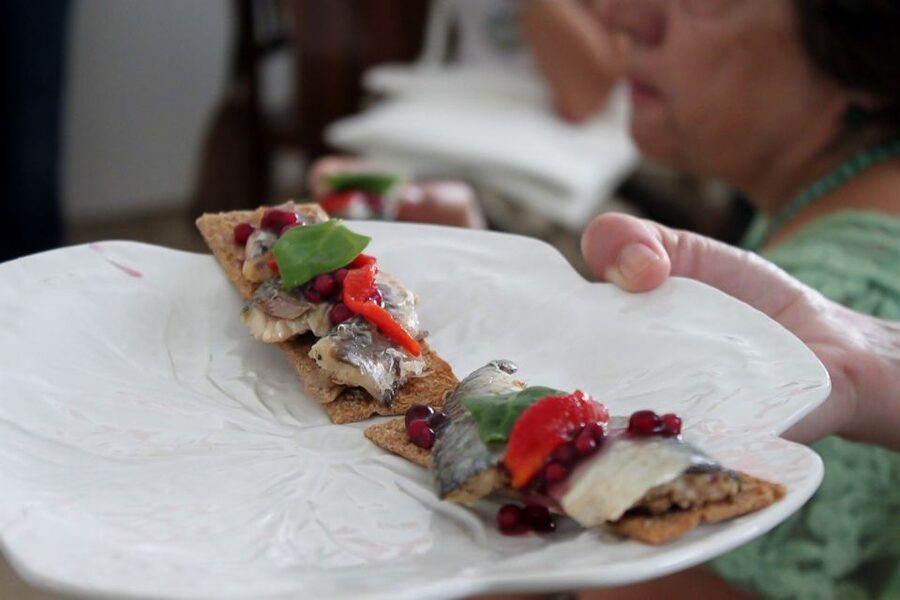
At $82 per person, this experience is not simply a food walk with a bicycle added on. You are paying for a guide, an e-bike, a helmet, four tastings, insurance, and a quick way to connect several central neighborhoods in one outing.
I see the main value in the combination. Lisbon is hilly enough that a walking food tour can leave you focused on your legs instead of your lunch. A regular bike can be hard work. The electric motor lets you cover more ground and reach areas that are separated by steep streets, while still giving you the feel of being outdoors in the city.
The tastings also help justify the cost. Four food stops can range from small samples to something closer to a full meal, depending on the route and restaurant. One detailed account described choosing food from a menu at a cozy restaurant rather than receiving only a two-bite sample. That makes the value better, though portions and exact dishes can vary.
This is also a useful first or second-day activity. You get a quick map of central Lisbon, hear local stories, and collect restaurant ideas for later. One rider used dining suggestions from the guide to find a good local restaurant on the final day of a visit.
More E-Bike Tours in Lisbon
- Lisbon: Hills, Alfama, and Mouraria Tour by Electric Bike
★ 4.8 · 3,438 reviews - Lisbon E-Bike Tour Commerce Square, Mouraria and Alfama
★ 4.5 · 1,688 reviews - Lisbon: 7 Hills Half-Day Electric Bike Tour
★ 4.9 · 1,592 reviews
Meeting at Largo Severa Near Martim Moniz
The meeting point is Largo Severa 7A, a pedestrian area in Lisbon. If you arrive by Uber, taxi, metro, or bus, use Praça Martim Moniz as your destination. From there, Largo da Severa is about a two-minute walk.
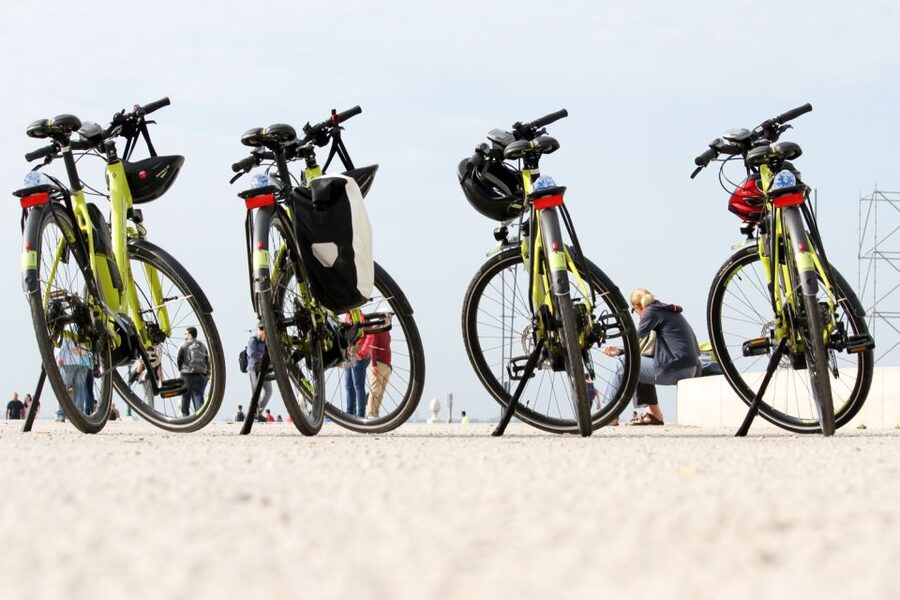
The tour begins with a short briefing on the electric bike. That matters in Lisbon, where narrow streets, slopes, traffic, and paving stones can demand more attention than you expect. You will be fitted with a helmet and shown how to use the bike before setting off.
The bikes received especially strong praise for their quality. Still, an e-bike does not erase every challenge. You remain responsible for steering, braking, and balancing over uneven surfaces. Wear comfortable clothes and shoes, and avoid bringing anything awkward to carry.
The minimum height is 140 centimeters. The tour is not suitable for people with mobility impairments, and it requires enough confidence to cycle through city streets for three hours.
Portuguese Petiscos Instead of a Formal Meal
Petiscos are Portugal’s answer to small-plate dining. They can be snacks, shared starters, or the building blocks of a full meal when served with rice, salad, or other dishes.
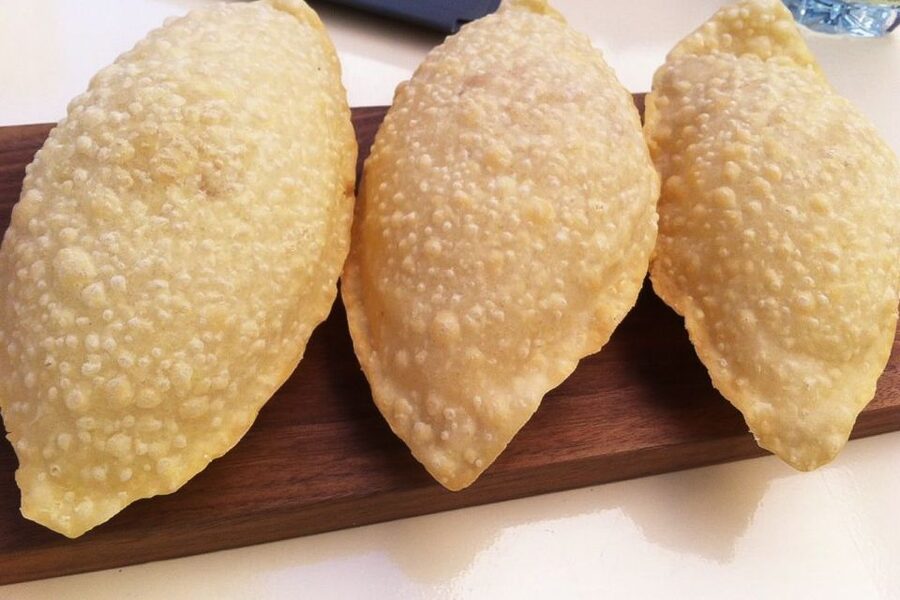
The possible list is long. You might encounter pepper salad, watercress, codfish, fish roe, pig ear, Bolhão Pato clams, or snails. Other familiar choices include peixinhos da horta, battered green beans that resemble a Portuguese version of tempura, and pastéis de bacalhau, crisp codfish cakes.
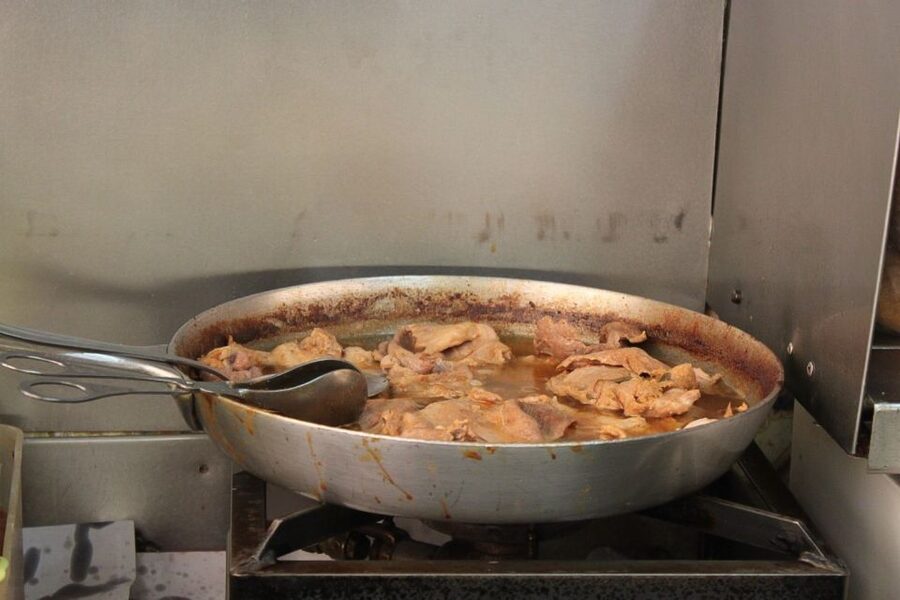
You might also try pipis, chicken giblets cooked with tomato, garlic, and onion, shrimp-filled patties, or a hot pork sandwich. These are not all guaranteed on one departure. The exact food depends on the stops and the day, so you should approach the menu with curiosity rather than expecting one fixed tasting plate.
I like this format because it gives you a wider look at Portuguese food than a single restaurant meal. You can compare old recipes with newer versions shaped for modern tastes. The food is part of the city story, not just fuel between cycling stops.
If you are a cautious eater, ask the guide what is being served before choosing. Some traditional petiscos, such as pig ear, snails, fish roe, and giblets, are more adventurous than the cod cakes or hot pork sandwich. The tour is still a good introduction for a mixed group because several dishes are familiar and shareable.
Ribeira Market and the Modern Side of Portuguese Food
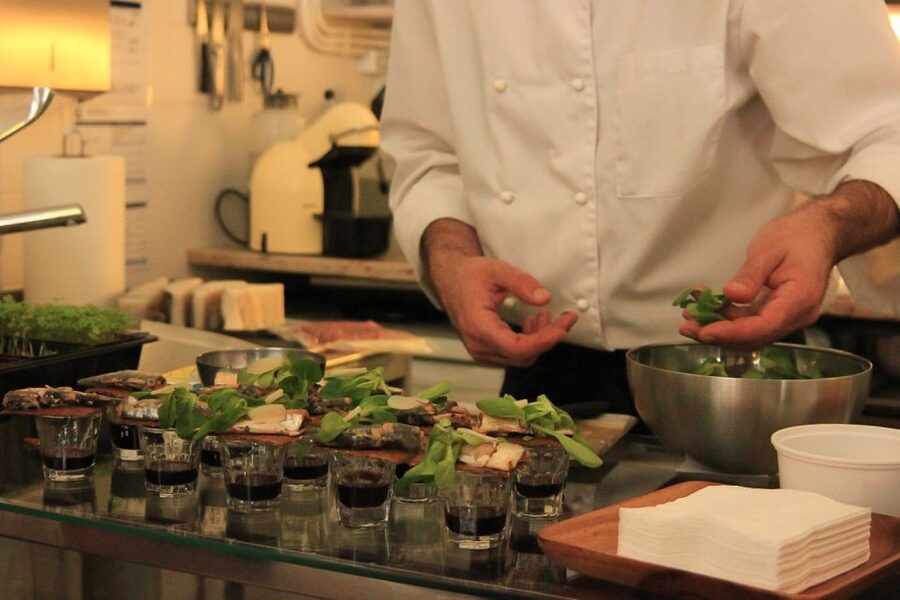
One major stop is the renovated Ribeira Market, also known as Mercado da Ribeira. The traditional side still has stalls selling fish, fruit, vegetables, and flowers. This is the kind of place that helps you see how Lisbon shops for food, not just how it presents food to visitors.
A separate section contains more than 30 restaurants. The food here is linked to recommendations from well-regarded chefs, so the setting is more polished than the old market stalls. That contrast is part of the appeal: you can see traditional ingredients on one side and newer restaurant ideas on the other.
Do not expect a quiet market visit. A food hall can be busy, and it may feel less intimate than a small neighborhood tavern. In return, you get a broad choice of styles and a clear look at how Lisbon has updated its food culture without abandoning Portuguese ingredients.
This is one of the stops where the $82 price makes more sense. You are not only being handed a sample. You are being guided through a major food address, with context about what to try and why it matters.
More E-Bike Tours in Portugal
- Lisbon: City Highlights and Viewpoints E-Bike Tour
★ 4.9 · 1,556 reviews - Lisbon: 3-Hour Tour by E-Bike
★ 4.8 · 1,150 reviews - 3-Hour Lisbon 7 Hills Electric Bike Tour
★ 5.0 · 818 reviews - Lisbon: Electric Bike Tour by the River to Belém
★ 4.8 · 507 reviews
Pink Street and Lisbon’s Nightlife Quarter
The route continues to Nova de Carvalho, better known as Pink Street. The pedestrianized street is lined with pubs and clubs and has become one of Lisbon’s best-known nightlife addresses.
During the day, it is an easy place to see without committing to a late night. You can roll through the colorful pavement, get a sense of the area, and then continue before the evening crowds and noise take over.
The street is more about atmosphere than traditional architecture or serious food. It shows another side of Lisbon, one shaped by nightlife and city renewal. If you want only old churches and quiet lanes, this section may feel less special. If you want to see how different parts of the city fit together, it adds useful contrast.
Because the street is pedestrianized, your guide will control how the group moves through it. Stay alert and follow instructions, especially if the area is busy.
Ribeira das Naus and the Riverfront
From Pink Street, you continue toward Ribeira das Naus, the renovated waterfront promenade. This stretch follows the Tagus and recalls the shipbuilding activity of Lisbon’s 16th-century Age of Discoveries.
The waterfront gives you a welcome change from narrow lanes and stone streets. You can ride with more open space around you and pause to take in the riverfront setting. It is also a good reminder that Lisbon’s identity has always been tied to water, trade, and departures.
The promenade is one of the more comfortable parts of the route, but the tour is not a relaxed sightseeing cruise. You are still moving by bike, keeping up with the group, and preparing for the next food stop.
The value here is connection. Instead of seeing the waterfront as an isolated photo stop, you reach it as part of a route linking markets, nightlife streets, the old center, and the upper neighborhoods.
Pombaline Downtown After the 1755 Earthquake
The tour then enters Pombaline Downtown, the orderly central district rebuilt after the devastating earthquake of 1755. Its broad streets and planned layout feel different from Lisbon’s older, more irregular quarters.
This is a practical place to understand the city’s structure. The wide roads, squares, cafés, and restaurants make more sense when you know the area was rebuilt as a planned center. Some coffee shops and restaurants have been serving the city for generations, giving the district a mix of everyday life and old Lisbon character.
Cycling here is easier to understand than cycling through the steepest parts of the city, but city traffic still requires care. Look up at the building facades when stopped rather than trying to admire them while riding.
The Pombaline section is not only a history lesson. It helps explain why Lisbon can shift so quickly from tight medieval-feeling lanes to broad, straight streets.
Chiado, Coffee, and a Third Tasting

Next comes Chiado, a central neighborhood known for its shops, cafés, and literary atmosphere. The tour includes a third petiscos tasting here.
Chiado is a useful place for a food stop because it connects traditional Lisbon with its more polished, urban side. You may see old cafés and long-running businesses alongside newer restaurants and shops. The contrast is clear without requiring a separate museum visit.
The exact tasting is not specified, so do not book this expecting one named dish. The food may be adapted from an older recipe for a modern audience, which is part of the tour’s theme.
By this point, the e-bike becomes especially useful. The route has already covered several central areas, and you still have Bairro Alto ahead. The motor reduces the effort, but the total distance and uneven paving mean you should not treat the ride as effortless.
Bairro Alto and the Final Petisco

The final section passes through historic Bairro Alto, a district with about 500 years of history and a strong connection to Lisbon’s nightlife and street life.
Bairro Alto is known for steep streets and tight blocks. An electric bike helps here, but the surface can be rough. One rider reported about 10.5 kilometers in total and specifically warned that the cobblestones can be bumpy. That is useful advice: wear supportive clothing, secure loose items, and expect a few jolts.
The fourth tasting takes place during this final part of the route. Ending with food makes sense, since you can finish the ride with a better feel for Lisbon’s everyday dining habits rather than just its landmarks.
The neighborhood can feel more atmospheric than polished. That is exactly why it belongs on this route. You see a side of Lisbon that is not limited to monuments and viewpoints, with old streets now filled with restaurants, bars, and local routines.
The Guides Make the Difference
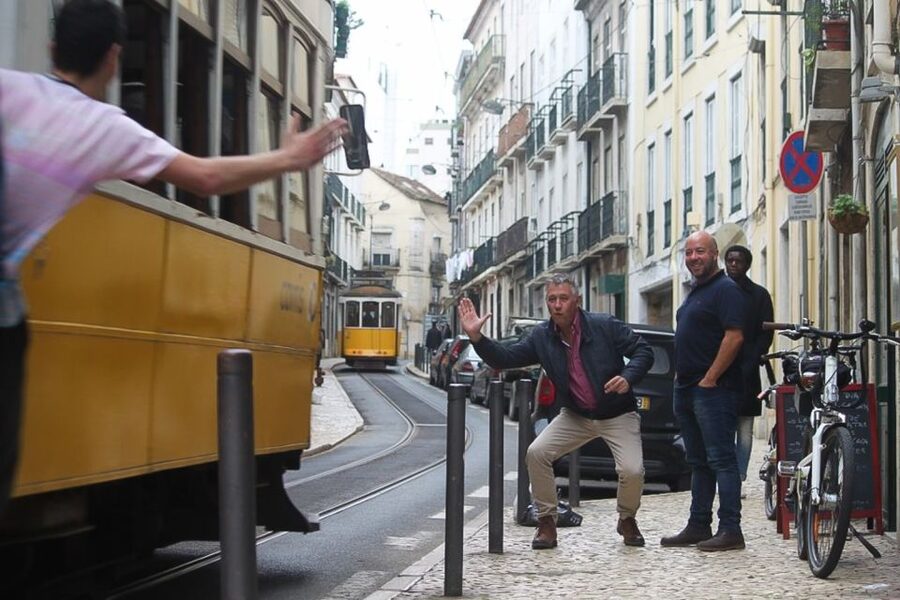
The experience is offered in English, Italian, Spanish, German, and French. Several guides are named in the feedback, including Jaime, Beatrice, Daniel, and Claudio.
Jaime was praised for making the outing feel like an afternoon with a friend and for answering questions along the way. Claudio was described as a walking history book, a good sign if you want more background on Lisbon’s streets and neighborhoods. Daniel was noted for being warm, welcoming, and well prepared, while Beatrice received praise for a smooth and enjoyable tour.
Guide quality matters more than usual on a route like this. You are not only being taken from one restaurant to another. You need clear cycling instructions, sensible pacing, and useful choices at the food stops.
The guide also shapes how personal the tour feels. Food recommendations for later in your visit can be as useful as the four tastings themselves. Ask questions about dishes, neighborhoods, and where to eat after the tour.
What the Ride Feels Like in Practice
The e-bikes make Lisbon’s climbs much more manageable, but they do not turn the city into a smooth cycle path. You will ride over cobblestones, through central streets, along a waterfront promenade, and through pedestrianized areas.
The total distance reported by one rider was 10.5 kilometers. That is reasonable for three hours, especially with four stops, but it is still active sightseeing. You should be comfortable starting, stopping, turning, and riding at a group pace.
The route may include hills both up and down. Braking and balance matter on descents, while the electric assist helps on climbs. A helmet is included, as is liability and personal accident insurance.
I would not choose this tour if you dislike bikes, have trouble with uneven surfaces, or want a slow food crawl where you sit most of the time. I would choose it if you like moving through a city and want more range than a walking tour provides.
Who Should Book This Experience
This tour suits you best if you:
- Want to combine sightseeing and food in one outing
- Feel comfortable cycling in an urban setting
- Prefer small dishes and local specialties to a formal restaurant meal
- Have limited time in Lisbon and want a broad first look at the center
- Enjoy hearing city stories from a local guide
- Can handle cobblestones and three hours of active touring
It is less suitable for anyone with limited mobility, anyone below 140 centimeters, or anyone hoping to avoid hills and rough paving. Children or beginners may need extra consideration, since the supplied information does not describe special child bikes or a beginner-only route.
The tour is offered at $82 per person. For four tastings, an e-bike, helmet, guide, insurance, and three hours of sightseeing, that is a fair price if the food portions are generous. The value is weaker if you want a long, quiet meal or care more about specific dishes than the overall route.
You can cancel up to 24 hours before departure for a full refund, and the reserve-now, pay-later option keeps your plans flexible. Transport to the meeting point is not included, so you need to reach Largo Severa near Praça Martim Moniz on your own.
Should You Book the Lisbon Petiscos E-Bike Tour?
Book it if you want a lively introduction to Lisbon that mixes food, history, neighborhoods, and exercise. The strongest features are the high-quality e-bikes, four tasting stops, and the chance to move from Ribeira Market to the riverfront, Pombaline Downtown, Chiado, and Bairro Alto in one short outing.
Skip it if cobblestones make you uncomfortable or if you want a purely culinary experience. The ride is central to the tour, not a minor extra.
For most active visitors, I would schedule it early in the stay. You will learn the shape of central Lisbon, sample dishes you can look for later, and get restaurant tips from guides such as Jaime, Beatrice, Daniel, or Claudio. Just bring comfortable shoes, prepare for bumps, and arrive ready to pedal.
FAQ
How long does the Lisbon petiscos e-bike tour last?
The tour lasts three hours.
How much does the tour cost?
The listed price is $82 per person.
How many food tastings are included?
Four petiscos tastings are included.
What languages are available?
The live guide may conduct the tour in English, Italian, Spanish, German, or French.
Where is the meeting point?
The meeting point is Largo Severa 7A, 1100-588 Lisboa. The area is pedestrianized, so use Praça Martim Moniz as your destination by taxi, Uber, metro, or bus. Largo da Severa is about a two-minute walk from there.
Is the electric bike and helmet included?
Yes. The e-bike and helmet are included, along with a guide and liability and personal accident insurance.
Who should not book this tour?
The tour is not suitable for people with mobility impairments or anyone under 140 centimeters tall. You should also be comfortable riding a bicycle over hills and cobblestones.
More Food and Market Bike Tours in Lisbon
- Versailles Palace Bike Tour with Market & Marie-Antoinette hamlet
★ 5.0 · 2,680 reviews - Madrid: 3 h. Guided Highlights Bike Tour with Optional Tapas
★ 4.9 · 1,623 reviews - Rome: Appian Way & Aqueducts E-Bike Tour (Catacombs & Food)
★ 4.9 · 1,498 reviews - Tuscany Bike Tours Through the Chianti Hills with Wine Tasting
★ 5.0 · 1,300 reviews
More Food and Market Bike Tours in Portugal
- Lisbon: E-Bike Food Tour of Alfama and Old Town
★ 4.7 · 50 reviews - Lisbon E-Bike Guided Food Tour with Five Food Tastings
★ 5.0 · 25 reviews - Lisbon: E-Bike Adventure to Belém with Pastel Tasting
★ 5.0 · 21 reviews - Porto: Self-Guided Bike and Boat Tour with Port Wine Tasting
★ 4.7 · 52 reviews
New cycling reviews around Lisbon
- Lisbon: 7 Hills Panoramic Guided Tour by E-Bike★ 4.8 · 50 reviews
- Lisbon: E-Bike Adventure Through the City of Seven Hills★ 5.0 · 28 reviews
- Lisbon: Bike Tour From City Center to Belem★ 4.8 · 212 reviews
- Lisbon Bike Tour: Langs de rivier van Belém naar Lissabon★ 4.7 · 59 reviews
- Lisbon Bike Rental Explore At Your Pace★ 4.4 · 46 reviews
- Lisbon: Guided E-Bike Tour to Belém★ 4.8 · 115 reviews
- Lisbon: 1-Hour Beer, Sangria or Wine Bike Sightseeing Tour★ 4.3 · 110 reviews
- Go Lisbon by Night Electric Bike Tour★ 4.9 · 24 reviews
Lisbon Cycling Tours, compared.
Lisbon: Hills, Alfama, and Mouraria Tour by Electric Bike
Read our review →
Lisbon E-Bike Tour Commerce Square, Mouraria and Alfama
Read our review →
Lisbon: City Highlights and Viewpoints E-Bike Tour
Read our review →
Lisbon: Bike Tour from Lisbon to Belém + Liquor & Pastry
Read our review →