
Review · MONTREAL
Montreal: Downtown and Old Montreal Highlights Bike Tour
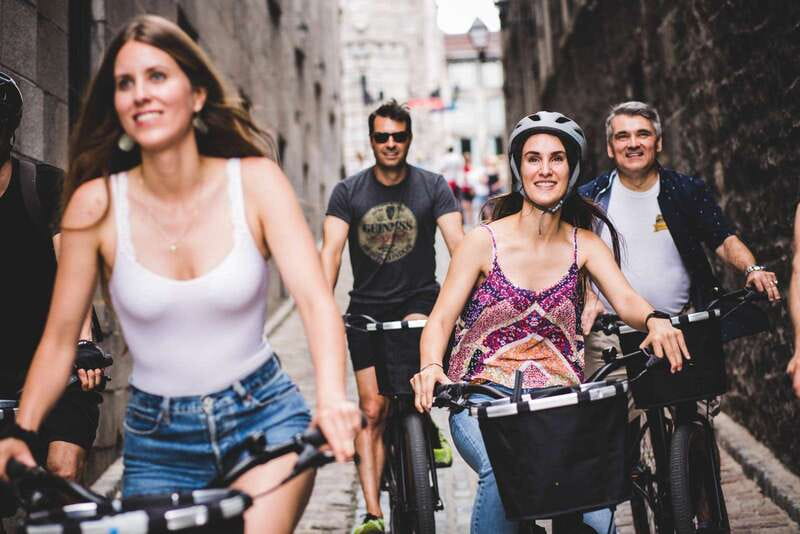
Montreal reveals itself especially well from a bicycle. In three hours, you move from the polished streets of Old Montreal to canals, parks, back lanes, public art, and neighborhoods that are easy to miss on foot. The ride covers about 10 miles, but it is not a race. Stops come roughly every 15 minutes, giving you time to hear the story behind each place.
I like the small group limit of 10, which makes it easier to ask questions and stay together. I also like the mix of famous sights and ordinary city life: Notre Dame Basilica and Place d’Armes share the route with quiet streets, laneways, and the Gay Village. The main consideration is that you need to be comfortable cycling for about two hours, and sandals or flip flops are not allowed.
Key points at a glance
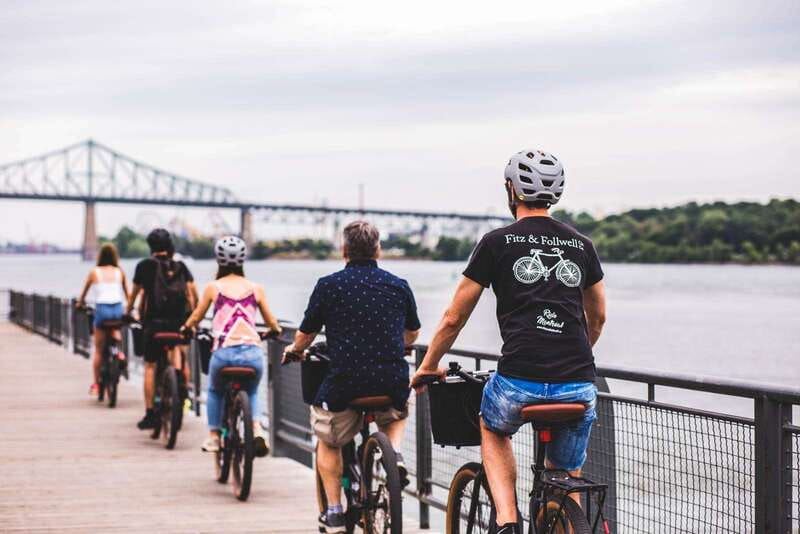
- A 15 km city sampler: Cover Old Montreal, the Old Port, downtown, the Lachine Canal, Habitat 67, and several neighborhoods in one outing.
- Mostly flat bike paths: The route is suitable for most riders who are comfortable cycling for about two hours.
- Frequent story stops: Expect four or five short breaks, plus a longer 30-minute stop.
- Small English-speaking group: The group is limited to 10 people, with guides such as Rod, JF, Rene, Darren, Martin, Jeff, Mahar, and Catherine associated with the experience.
- Useful first-day orientation: Guides share restaurant suggestions and ideas for the rest of your stay, making this a good early activity.
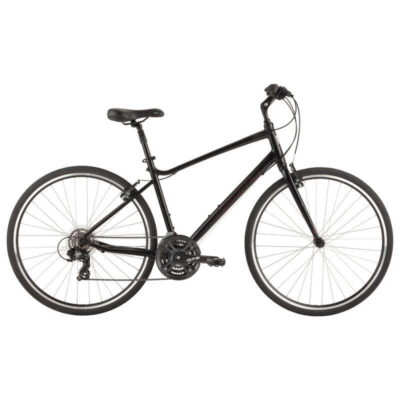
- Everything needed to ride: A city bicycle, helmet, and basket are included. Bring your own water.
Why a bicycle works so well in Montreal
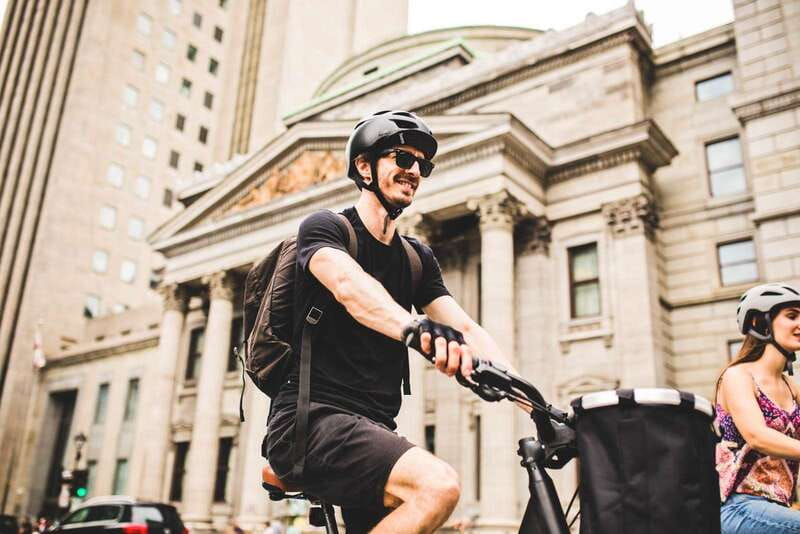
Montreal is large enough that walking alone can leave gaps between its main districts. A bicycle closes those gaps without forcing you into a bus or car. You get the feel of each area as it changes, from old stone buildings to modern housing, from broad waterfront paths to narrow residential lanes.
The pace is relaxed, but the route is substantial. You ride for about two hours during the three-hour tour, with four or five short stops for explanations and stories. There is also a longer break of about 30 minutes. That balance matters. You see a lot, but you are not asked to pedal continuously while trying to listen to a guide.
I especially like the regular stops. A city bike tour can become a blur of street names and passing buildings if the guide talks only while riding. Here, the pauses give you a chance to look up, take photos, catch your breath, and connect the place in front of you with Montreal’s past and present.
Most of the ride follows bicycle paths that are mostly flat. That makes this a practical choice for many casual riders, though you still need enough stamina for 15 km. It is not designed as a hard athletic outing, but it is more active than a walking tour.
More City Highlights Bike Tours in Canada
- Montreal eBike Sightseeing Tour
★ 5.0 · 573 reviews - Montreal: E-Bike Sightseeing Tour
★ 4.8 · 365 reviews - Victoria City Highlights Pedal or E-Bike Tour – Hoods & Legends
★ 5.0 · 258 reviews
Starting in Old Montreal at 87 Rue de la Commune Est
The tour begins at 87 Rue de la Commune Est, in the heart of Old Montreal. You meet the guide, get fitted with a city bike and helmet, and receive a basket for small items. There is no hotel pickup, so you need to make your own way to the starting point.
This location puts you in the right setting immediately. Old Montreal is the city’s historic core, with stone buildings, broad squares, and streets that show the influence of both French and British rule. Before the ride really gets moving, the guide can set up the larger story: the founding of the city, First Nations heritage, and the way Montreal developed into a center for commerce, culture, and food.
Bring water and wear comfortable clothes and proper shoes. The operator specifically does not allow sandals or flip flops. A jacket is also a sensible addition, since you can feel cooler on a bicycle than you do while walking, especially near the water.
The supplied bikes are described in guest feedback as being in good condition, with comfortable helmets. That is important on a ride of this length. You are not renting a machine for a quick spin around the block. You are using it to cross several parts of the city.
Old Port, Place d’Armes, and Notre Dame Basilica
Early in the route, you explore the Old Port and central Old Montreal. The Old Port helps explain Montreal’s economic story. Its waterfront position was not simply scenic. It supported trade, shipping, and the growth of the city, and its later public use changed how residents and visitors relate to the riverfront.
Place d’Armes gives you one of the strongest architectural views in the city. French and British influences appear side by side, and the square helps show how Montreal grew in layers rather than according to one single plan. Your guide’s job here is more than naming buildings. Expect context about why the city looks the way it does and how its older core connects to modern Montreal.
Notre Dame Basilica is another major stop. The tour lets you understand its place in Old Montreal’s story from the outside and surrounding streets. This is not a dedicated basilica interior visit, so you should not book the bike tour expecting a long indoor sightseeing session. Its value is that it places the basilica within the wider historic district.
Place d’Armes and the nearby streets are also a good example of the tour’s rhythm. You stop, listen, and then move on before the experience becomes a long lecture. The guide shares anecdotes and local stories that add character to the buildings around you.
Place des Festivals and Montreal’s creative side
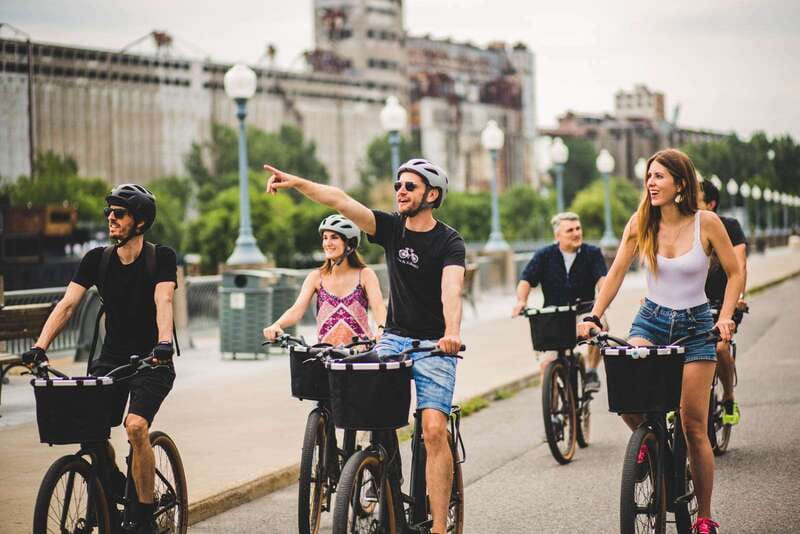
The route continues beyond the old quarter toward downtown and Place des Festivals. This area represents a different Montreal, one tied to public events, performance, art, and the city’s modern cultural identity.
The contrast with Old Montreal is part of the fun. You are not seeing one preserved historic zone and then turning back. You are watching the city change as you ride. That wider view is one reason this tour works well on your first day. You begin to understand how the older port district, the downtown core, and cultural spaces fit together.
Public art and city design are part of the experience, too. The exact stops can vary with the guide and riding conditions, but the tour promises a mix of public art, landmarks, and local streets rather than a fixed parade of major monuments. Guides such as Darren were praised for making Montreal’s culture, economy, and neighborhoods understandable without losing the fun of the ride.
If you want every stop to be a formal attraction with a long presentation, this may feel loose. If you want a sense of how Montreal functions as a city, the variety is a strength.
Same roads, a different ride:
- The Grand Bicycle Tour by Cycle City Tours
★ 5.0 · 1,827 reviews - Epic Electric Bike Tour by Cycle City Tours
★ 5.0 · 848 reviews - The Stanley Park Bicycle Tour by Cycle City Tours
★ 5.0 · 785 reviews - 3 Hour Montreal City Bike Tour with Wine or Beer (AM & PM)
★ 5.0 · 332 reviews
Habitat 67 and the changing waterfront
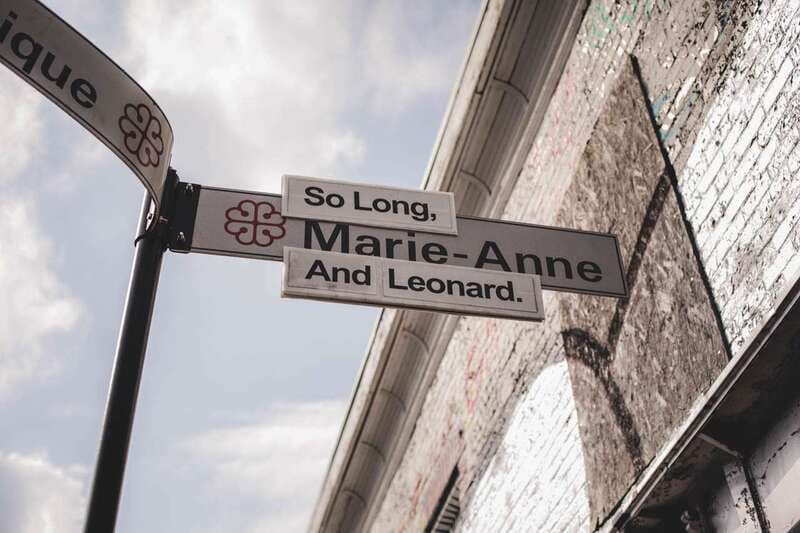
Habitat 67 is one of the route’s most distinctive sights. Its stacked concrete forms are instantly recognizable, and it gives the ride a clear link to Montreal’s modern architectural story.
The stop is useful because it broadens the tour beyond the old city. Montreal is not only stone façades and church towers. It has also experimented with new forms of housing and urban design. Habitat 67 lets you see that modern side while still connecting to the waterfront and the city’s changing economy.
The ride itself helps here. From a car, the view can pass quickly. On a bicycle, you approach at a slower pace and have a better chance to notice how the structure sits in relation to the river and nearby spaces. Your guide can also explain why it matters, rather than leaving you with a quick photo and a name.
Keep your expectations in proportion. You are viewing Habitat 67 as one stop on a broad city ride, not taking a specialist architecture tour or touring private residences. Its role is to add another useful piece to the Montreal story.
The Lachine Canal and Farine Five Roses

The Lachine Canal brings a calmer stretch to the route. Canal paths are well suited to cycling, and the mostly flat surface makes this part less demanding than riding through busy central streets. It also shows a different side of Montreal’s development, tied to industry, transport, and later public reuse.
The Farine Five Roses sign adds a memorable local detail. It is the sort of landmark that can seem ordinary until someone explains why it matters to the city’s working identity and skyline. This is exactly where a local guide adds value. You could pass the sign without knowing its place in Montreal’s story.
I like that the route includes these practical, slightly unexpected sights. They keep the tour from becoming a checklist of churches and squares. You get a better sense of how people worked, moved goods, built neighborhoods, and reused old infrastructure.
The canal section is also likely to be one of the more comfortable parts of the ride. Still, weather affects any bicycle outing. Water, a jacket, and clothes suited to sitting on a bike will make the experience easier. You should also be ready for the possibility that the pace and exact order of stops may change.
Quiet streets, parks, laneways, and the Gay Village
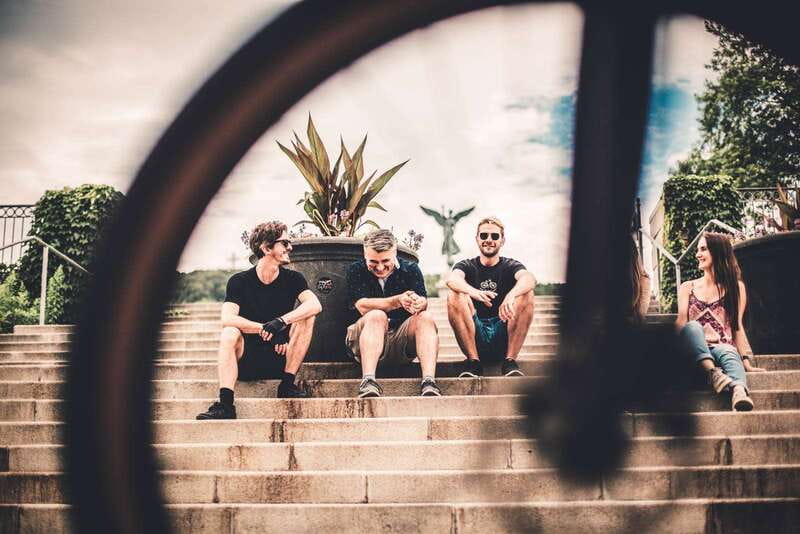
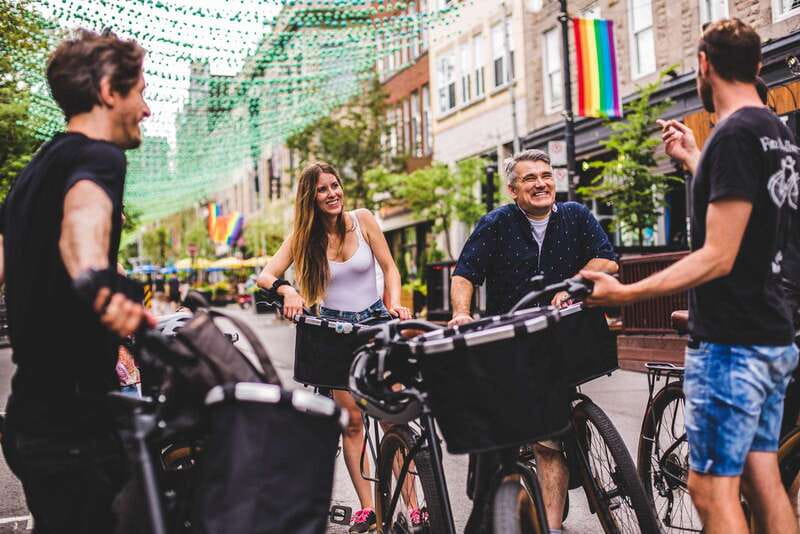
The tour makes room for places that do not always appear on a first visit to Montreal. You ride through parks, quieter streets, and laneways, then reach the Gay Village. These sections offer a feel for daily life rather than only the city’s official landmarks.
That is one of the strongest reasons to choose this tour. You see how different districts connect, and you get small visual details that are easy to miss from a sightseeing bus. A back lane or neighborhood street may not deserve a long stop, but it helps you understand the city’s scale and personality.
The Gay Village also adds an important cultural layer. The tour treats Montreal as a living city, not a museum district. It shows how different communities and identities contribute to the city’s character.
Guides are encouraged to share personal anecdotes and local stories. The guide names connected with this experience include Rod, JF, Rene, Darren, Martin, Jeff, Mahar, and Catherine. Past feedback especially praised JF’s passion, Rod’s practical suggestions, Rene’s helpful approach, and Darren’s ability to make history and the economy entertaining. Guides vary, of course, but the small group gives you a better chance to interact with whoever leads your ride.
What the three-hour format feels like
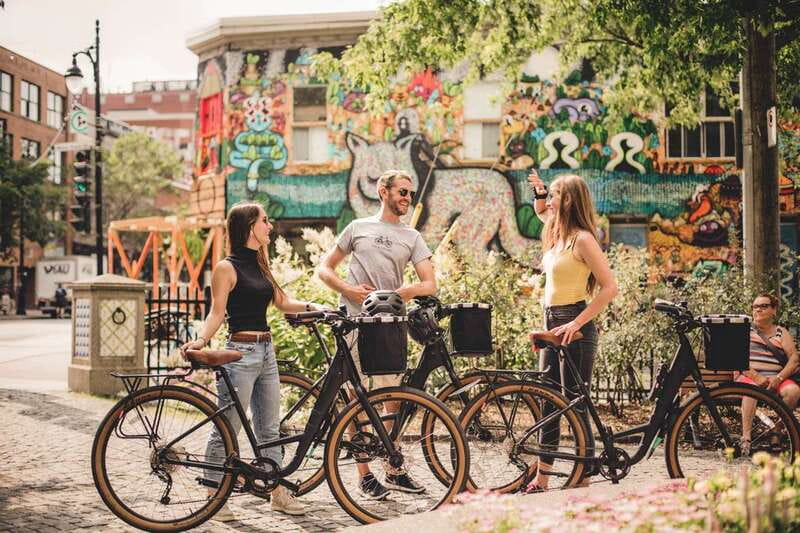
The timing is well judged for an active introduction. Three hours gives you enough room to cross several districts without taking up your whole day. The riding portion lasts about two hours, and the rest is divided between short talks and a longer break.
The frequent pauses also make the ride friendly to mixed-ability groups. You do not need to keep a fast pace to stay with the group, and the flat route helps. Even so, do not mistake relaxed for effortless. Fifteen kilometers is a real ride, especially if you have not been on a bicycle recently.
The longer 30-minute break is useful for a rest, restroom visit, or snack. One guest specifically noted two restroom breaks during the outing, though the exact timing may vary. You should still bring water, since it is the only item specifically requested for you to carry.
The group limit of 10 is another practical advantage. A small group is easier to manage at intersections and stops, and you can ask about restaurants or later sightseeing. Several people used the tour as an introduction to the city and received suggestions for lunch and activities during the rest of their stay.
Is $87 a fair price?
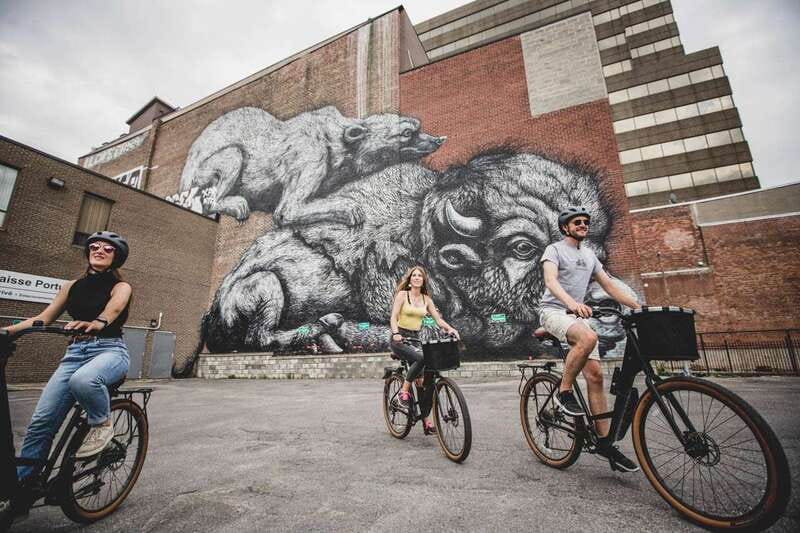
At $87 per person, this is not the cheapest way to see Montreal. You can walk through Old Montreal for free, and public transport costs much less. The price makes more sense when you consider the bicycle, helmet, basket, guide, route planning, and three hours of local explanation.
You are also covering a large area. A walking tour might give you more detail in Old Montreal, but it will not take you as easily to Habitat 67, the Lachine Canal, the Farine Five Roses sign, and the Gay Village. A sightseeing bus may cover distance, but it will not give you the same street-level contact with parks and quiet lanes.
I see the best value for someone visiting Montreal for the first time, especially if you can schedule it near the start of your stay. The guide’s food suggestions and neighborhood tips can shape the rest of your visit. If you already know the city well, the value depends on how much you enjoy cycling and local anecdotes.
The high rating of 4.9 from 53 ratings fits the experience’s strongest features: excellent guides, good bicycles, a safe feeling, a small group, and a route that covers more than the obvious sights. The main tradeoff remains the physical requirement. You pay for an active tour, not a passive ride.
Who should book this Montreal bike tour?
I would choose this for first-time visitors who want orientation quickly and do not mind covering ground under their own power. It is also a good fit for couples, families with children over 13, and small groups who want a shared activity rather than a long indoor tour.
It suits you if you like history with movement, enjoy seeing neighborhoods, and want restaurant ideas from a guide who works in the city. It is less suitable if you want a slow architectural walking tour, a private experience, or a route built around extended interior visits.
The age rule is clear: participants must be over 13. You should also be comfortable riding for about two hours, wearing a helmet, and following a guide through city streets and paths. The route is mostly flat, but normal cycling awareness still matters.
Booking early in your stay is smart. You can use the tour to learn the basic shape of Montreal, then return later to the places that caught your attention. The operator allows free cancellation up to 24 hours ahead and offers a reserve-now, pay-later option, which helps if your schedule is still changing.
Final take: a strong first-day introduction
I would book this tour if I wanted a broad, active introduction to Montreal in one morning or afternoon. Its best feature is the combination of scale and intimacy: you cover about 15 km, yet the small group and regular stops keep the experience personal.
The route gives you Old Montreal’s major sights, but it does not stop there. The Old Port, Place des Festivals, Habitat 67, the Lachine Canal, Farine Five Roses, quiet lanes, parks, and the Gay Village show different sides of the city. Add a guide who can explain First Nations heritage, French and British architecture, Montreal’s economy, and local food, and the $87 price becomes reasonable.
Choose it if you want to ride, listen, and get your bearings fast. Skip it if cycling for two hours sounds tiring or if you prefer to spend your sightseeing time inside churches and museums. For most active visitors over 13, this is a useful and enjoyable way to meet Montreal on its own streets.
FAQ
Where does the Montreal bike tour begin?
The meeting point is 87 Rue de la Commune Est in the heart of Old Montreal.
How long does the tour last?
The tour lasts three hours.
How far do you ride?
The riding distance is approximately 10 miles, or 15 km.
How much of the tour is spent cycling?
About two hours are spent riding, with four or five short information stops and one longer break of about 30 minutes.
Is the route difficult?
Most of the route uses bicycle paths that are mostly flat and suitable for all riders. You still need to feel comfortable cycling for about two hours.
What is included in the price?
The tour includes a local English-speaking guide, bicycle, helmet, and basket.
Is hotel pickup provided?
No. Hotel pickup is not included, so you need to reach the meeting point yourself.
What should I bring?
Bring water. Comfortable riding clothes and proper shoes are also sensible, and sandals or flip flops are not allowed.
What language is the tour conducted in?
The live tour guide speaks English.
Can teenagers join the tour?
Yes, but participants must be over the age of 13.
New cycling reviews around Canada
- Quebec City: Montmorency Falls and Microbrewery eBike Tour★ 5.0 · 19 reviews
- Ottawa: 2 or 3.5-Hour Guided Bike Tour with a Local Guide★ 4.9 · 84 reviews
- Ottawa 200th Anniversary Guided Bike Tour★ 4.6 · 20 reviews
- Ottawa: 4 or 8-Hour Bike Rental with Self-Guided Tour★ 4.7 · 51 reviews
- Niagara-on-the-Lake: Bicycle Tour with Wine Tasting★ 4.5 · 23 reviews
- Montreal: Non Touristy Pink Bike Tour★ 5.0 · 27 reviews
- Montreal: All-Day Bicycle Rental★ 4.8 · 15 reviews
- Kelowna: Wine Tasting by E-bike, Smartphone Guide & Lunch★ 4.8 · 30 reviews
Montreal Cycling Tours, compared.
3 Hour Montreal City Bike Tour with Wine or Beer (AM & PM)
Read our review →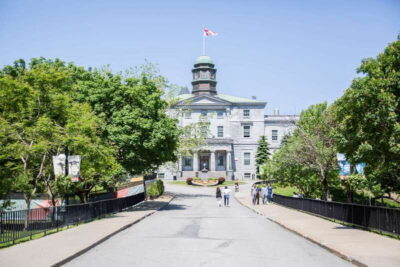
Montreal: Guided Bike Tour of City, Old Port & Plateau
Read our review →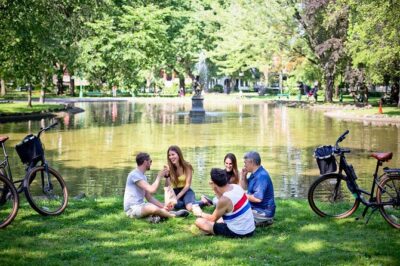
Bike / E-bike tour : Plateau, Mile-End, Jean-Talon Market by Fitz
Read our review →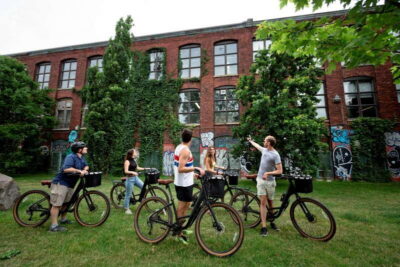
Bike/E-bike tour Plateau,MileEnd, Jean-Talon Market by Fitz
Read our review →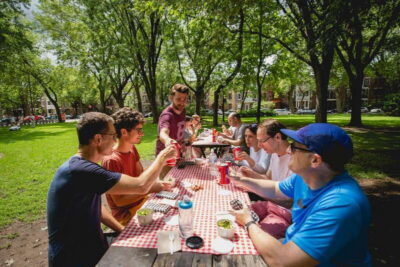
Browse the lists this ride appears in