
Review · PARIS
Paris Bike Tour: Eiffel Tower, Place de la Concorde & More
Paris reveals itself differently from a bicycle. You cover more ground than you would on foot, yet you still notice the grand façades, riverside views, and small changes between neighborhoods. This 210-minute ride links the Eiffel Tower, Invalides, the Louvre area, and Place de la Concorde without turning the afternoon into a blur of bus windows.
I like the easy pace and the guides’ mix of history, humor, and practical Paris knowledge. I also like the family setup: children can use smaller bikes, tag-along tandems, trailers, or baby seats. The main thing to consider is traffic. The route is mostly flat, but some riding takes place on busy roads, and a group of roughly 20 cyclists can feel large in narrow city streets.
Key points to know before you ride
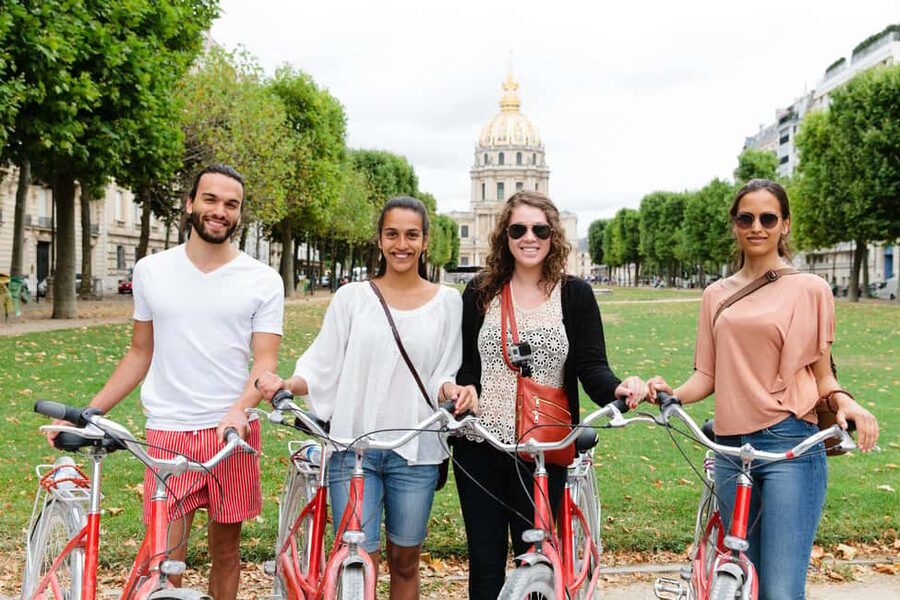
- The route connects major sights efficiently: You ride from the Left Bank toward the Louvre, with stops at the Eiffel Tower, Invalides, and Place de la Concorde.
- The ride is mostly flat and manageable: You do not need to be especially fit, but you should be comfortable riding a bicycle in an urban setting.
- Guides make the difference: Dave, Dovi, Amir, Arin, Fergus, and others have been praised for clear explanations, humor, and careful group handling.
- Families have useful equipment choices: Smaller bikes, tag-along tandems, trailers, and baby seats are available within stated weight limits.
- You get an overview rather than museum time: This tour is for seeing and understanding Paris from outside, not for touring the Louvre or Invalides collections indoors.
- Weather matters: Ponchos can help in rain, but several hours on a bike is much more pleasant in dry conditions. Bring comfortable shoes and water.
Why a bicycle is a smart way to see central Paris
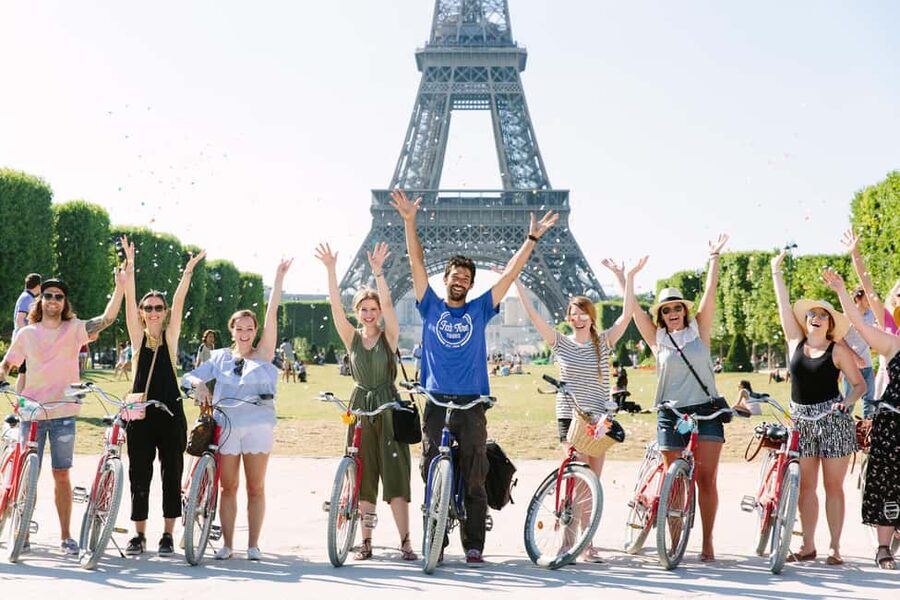
The great advantage here is scale. Paris can feel compact on a map, but walking between the Eiffel Tower, Invalides, the Louvre, and Place de la Concorde takes time and energy. A bicycle lets you connect these landmarks in one outing while keeping enough time at each stop for photographs and a short explanation.
You are not simply pedaling past the sights. The guide brings the route together with stories about French kings, Marie Antoinette, Napoleon, the Eiffel Tower, and the city’s changing streets. That approach suits anyone who wants useful context without sitting through a long lecture packed with dates.
The ride also works well on your first day in Paris. You get a broad sense of the central city, then you can decide which places deserve a longer visit later. If you are staying only a few days, this kind of orientation can save valuable time.
The tour is conducted in English. Past guides have included Dave, Dovi, Amir, Arin, Fergus, Louis, Tim, George, and others. Individual personalities will vary, but the strongest pattern is clear: the guide controls the pace, handles crossings, and keeps the history lively.
More Cycling Trips in Paris:
- Versailles Palace Bike Tour with Market & Marie-Antoinette hamlet
★ 5.0 · 2,680 reviews - Paris: Charming Nooks and Crannies Bike Tour
★ 4.8 · 2,585 reviews - From Paris: Versailles Bike Tour w/ Palace, Gardens, & Picnic
★ 5.0 · 2,150 reviews
Starting at Fat Tire Tours on rue Edgar Faure
You meet at the Fat Tire Tours office at 24 rue Edgar Faure, 75015. Look for the large Fat Tire Tours sign and the bikes outside. Dupleix is the closest Metro station.
Arrive with comfortable shoes and allow enough time to check in, adjust your bicycle, and listen to the safety briefing. The office has toilets and refreshments, and there is space where you can leave bags on shelves. A past rider also found it useful that the staff allowed a phone to charge while waiting.
The bicycles are cruiser-style models. Seats can be adjusted to suit your height, and the brakes are checked before departure. Pay attention during this briefing, especially if you have not ridden in Paris before. One practical detail from the safety instructions is that the right-hand brake should be used carefully, since a sudden squeeze can make the bike stop sharply.
The guide also explains hand signals and how to ride as a group. This matters more than it might on a quiet country path. You will be following a leader through city streets, so staying alert and holding your position helps the entire group move safely.
Crossing from the Left Bank toward the Louvre
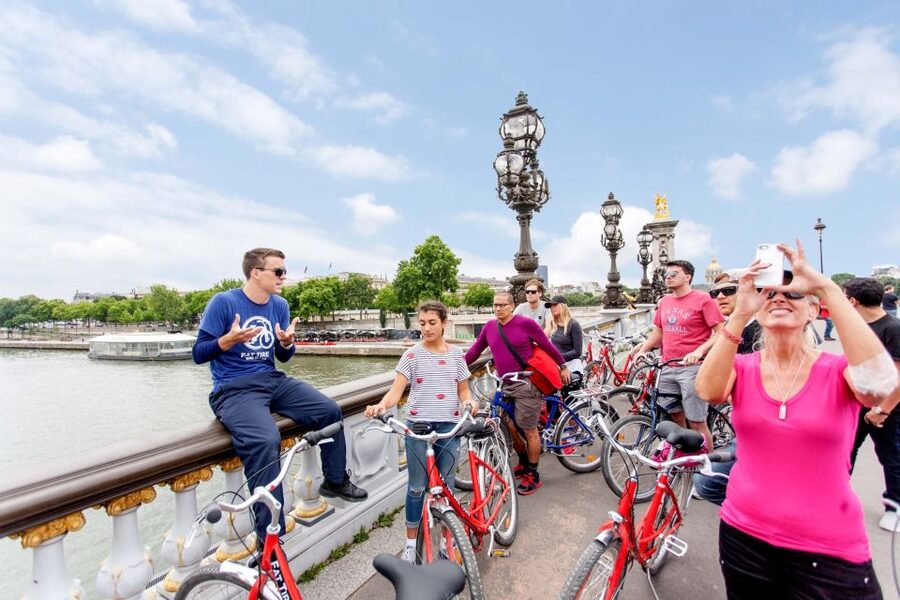
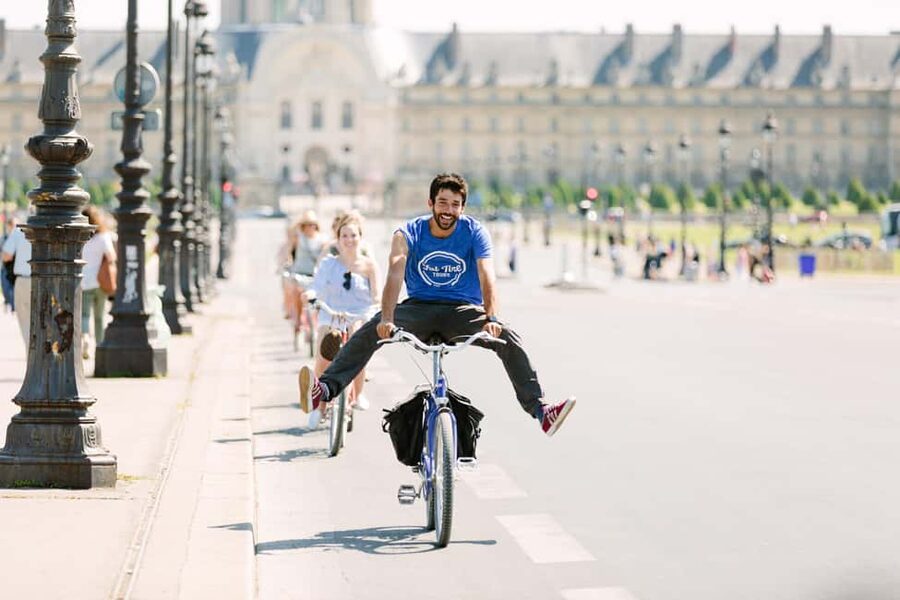
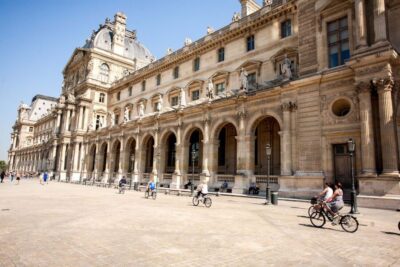
The route gives you a sense of Paris as a connected city rather than a string of isolated monuments. You begin on the Left Bank and ride toward the Louvre, moving through areas where grand civic buildings, historic streets, and busy traffic meet.
This section is less about entering a single attraction and more about understanding the city’s layout. You see how the major sights relate to one another, which is useful when planning the rest of your stay. A guide can point out places you might otherwise pass without knowing their importance.
The history is delivered in short portions at stops rather than as a continuous speech while riding. That makes it easier to listen, take photographs, and enjoy the city around you. Expect stories about French rulers, royal power, revolutions, and the people connected with the landmarks.
The pace is generally described as mellow and accessible. Children as young as five have taken part using tandems or other equipment, and older children can ride their own bikes if they are ready. Still, you should judge your family honestly. A child who can ride a bicycle at home may need extra attention on city streets.
The Eiffel Tower stop and the value of time outside
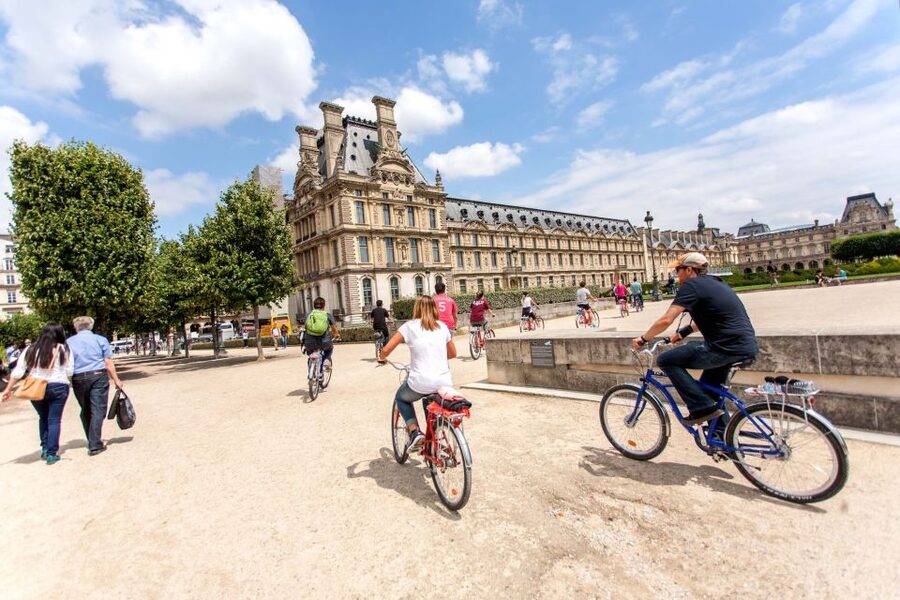
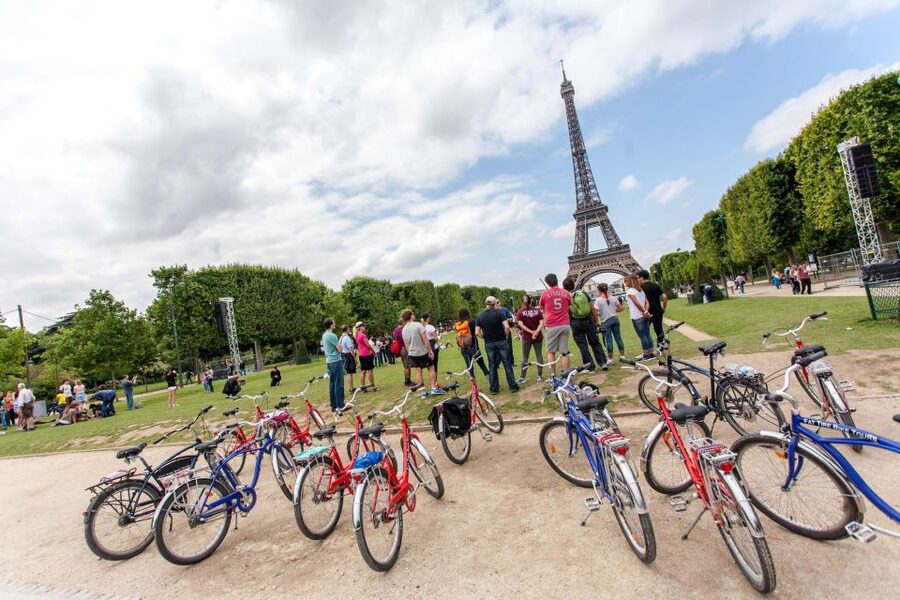
The Eiffel Tower is one of the tour’s key photo stops. You get close views and time to take pictures, while the guide explains some of the stories tied to Paris’s best-known structure.
This is not a ticketed Eiffel Tower visit. You are seeing the monument from the outside, so the stop works best as part of a larger city overview. If you want to go up the tower, you will need a separate plan and ticket.
The value here is the setting. A bicycle brings you near the tower without requiring you to spend the whole morning walking from one distant sight to another. You can enjoy the view, hear a few stories, and continue to the next landmark.
Photography stops are built into the ride. One possible drawback is that these pauses may feel long if you prefer constant movement. Another rider found the breaks, taken together, longer than necessary. That is a matter of taste: families and first-time visitors often appreciate the breathing room, while experienced cyclists may prefer more riding.
Same roads, a different ride:
- Paris: City Highlights Bike Tour
★ 4.7 · 1,835 reviews - Electric Bike Tour of Paris’ Hidden Gems
★ 4.9 · 1,377 reviews - Paris Local Districts and Stories Off the Beaten Track Guided Bike Tour
★ 5.0 · 1,264 reviews - Best of Paris Electric Bike Tour
★ 5.0 · 1,179 reviews
Invalides, Napoleon, and the Dome church
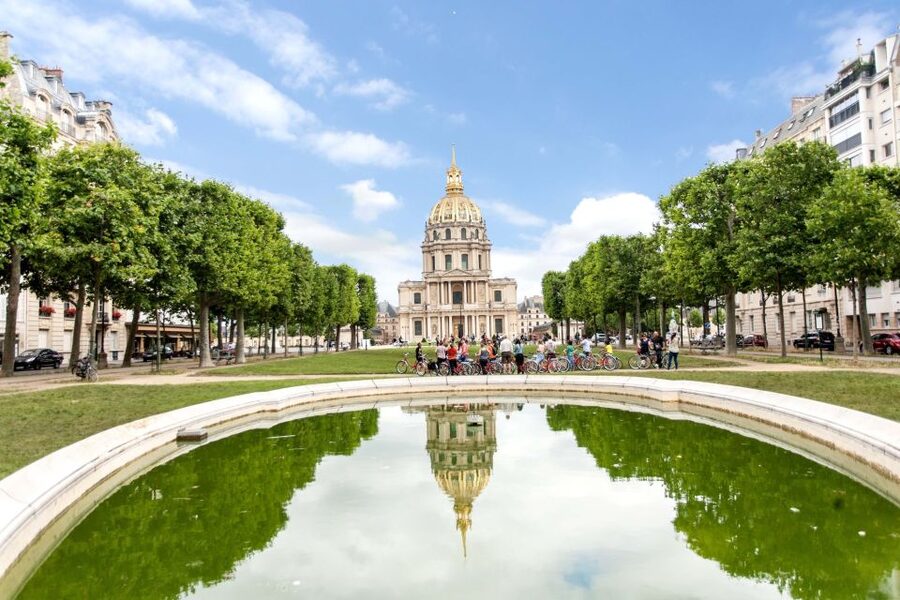
The route continues to Invalides, the large complex associated with France’s military past. The Dome church is especially important because Napoleon is buried there beneath its famous dome.
The stop gives you a useful introduction to the site and its role in French history. You should not expect an indoor visit to the Invalides museum as part of this experience. The emphasis is on seeing the exterior, learning why the complex matters, and placing it within the larger story of Paris.
This is where a good guide adds real value. A simple photograph of the golden dome tells you little by itself. A short explanation of Napoleon’s place in French history, along with a few memorable details, gives the building meaning without demanding hours inside a museum.
The tour’s method is ideal for people who want an overview before choosing their museums. After the ride, you may decide that Napoleon, military history, or the architecture of Invalides deserves a separate visit.
Place de la Concorde and the royal past
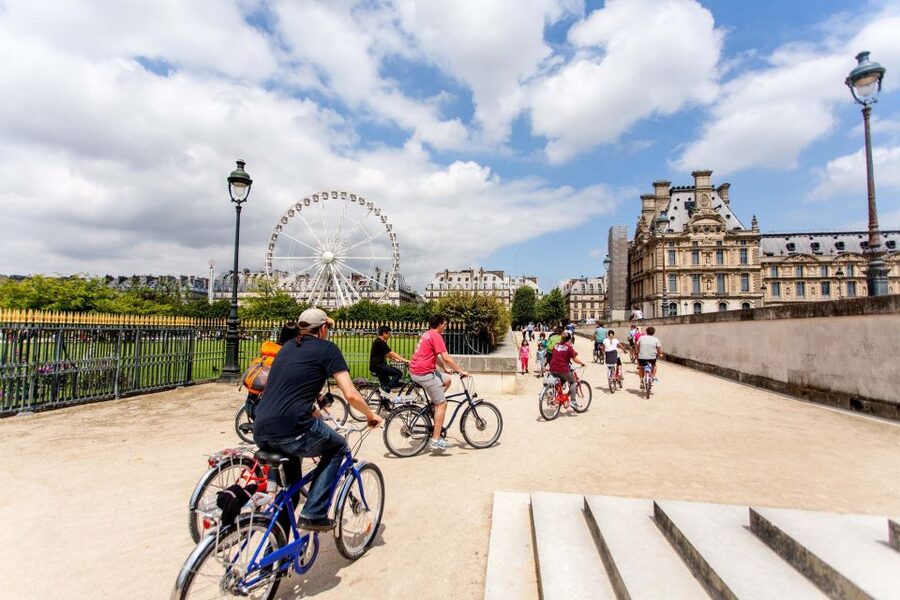
Place de la Concorde brings together several themes that shape Paris: royal ceremony, revolution, grand city planning, and public memory. The guide uses the stop to explain the square’s past and its link to figures such as Marie Antoinette.
The stories are not limited to dry dates. Guides have been praised for adding humor and unusual details, including tales about the French kings and the guillotine. That makes the square easier to remember and helps younger riders stay involved.
As with the other stops, you have time for photos and questions. The guide’s role is not only to speak but also to keep the group together and make the space readable. Large Parisian squares can feel confusing when you first arrive, so a short orientation is useful.
Place de la Concorde is also a good point from which to understand the central route. You have seen how the city links monuments, royal spaces, museums, and the Seine. The ride is giving you a mental map, not just a checklist.
Safety, traffic, and group size
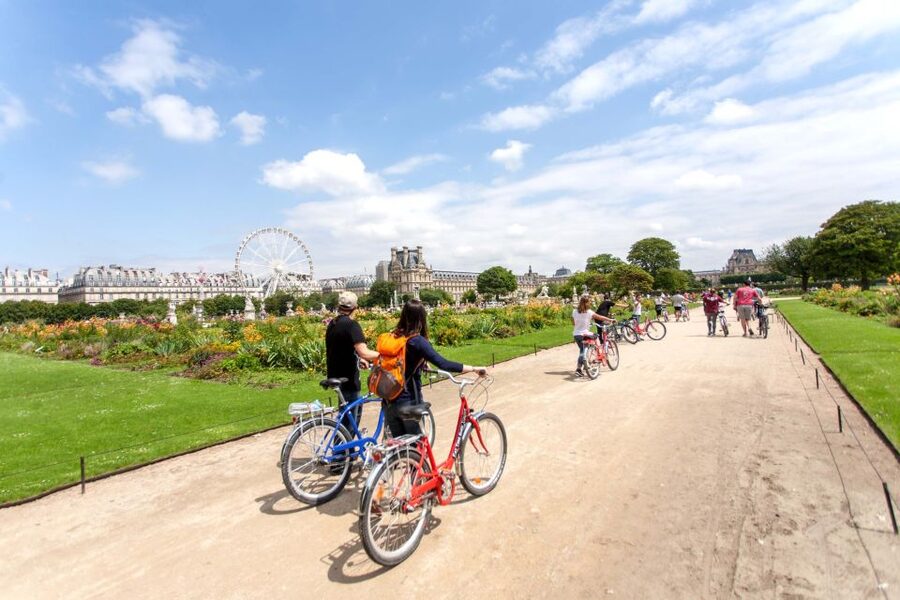
Safety is one of the most praised parts of this experience. Guides have been described as careful at crossings, clear with hand signals, and attentive to younger riders. Amir, for example, kept a nine-year-old near him so she could follow the correct pace.
That does not mean the streets are free of stress. One rider found there was more busy-road riding than expected, and another felt a group of around 20 people could become too large in places. You should be comfortable with the idea of riding in traffic and following directions promptly.
The tour is not a race. The pace is deliberately easy, and the route is mainly flat. Some experienced cyclists may find it slow, but that slower speed is helpful when the group includes children and people who have not cycled in Paris before.
You also avoid the fatigue that can come from walking several miles between landmarks. The tradeoff is that you must stay focused while riding. This is an active sightseeing tour, not a passive city tour.
A good choice for families, with the right equipment
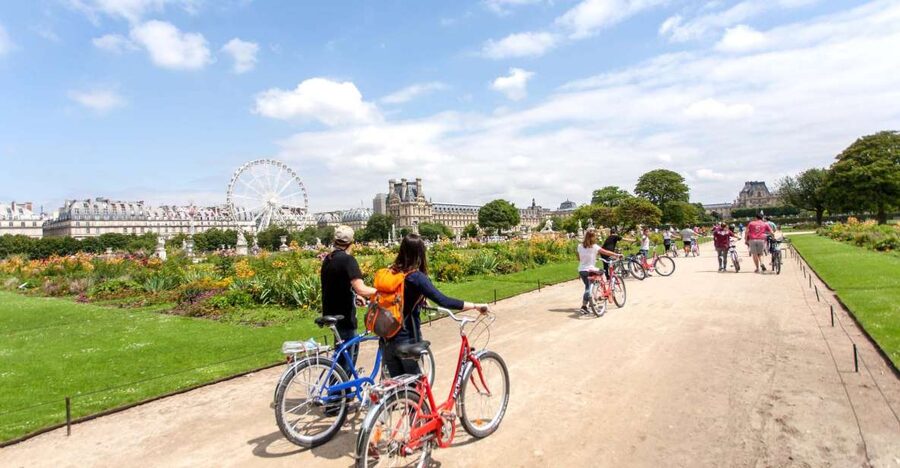
Families are a strong match for this ride. Children can avoid the boredom that sometimes comes with a long museum day, and the guide can explain Paris in a way that holds younger attention. Past family groups included children aged five, seven, eight, nine, eleven, and twelve.
Equipment options make the tour more practical:
- Twenty-inch and 24-inch bikes are available for children who can ride independently.
- Tag-along tandems are available for children under 70 pounds, or 32 kilograms.
- Trailers hold two children, with a combined maximum weight of 88 pounds, or 40 kilograms.
- Baby seats have a maximum weight of 48 pounds, or 22 kilograms.
Check your child’s size against these limits before booking. Also remember that equipment availability does not remove the need for basic riding confidence and attention.
The family appeal goes beyond equipment. The guides use jokes and stories, stop for photographs, and keep the pace steady. For many families, that combination makes Paris feel less tiring and more approachable.
Weather, breaks, and what to bring
Paris weather can change the character of this tour. A cold, damp morning was still manageable for one group using ponchos, but several hours outdoors in rain will not suit everyone. Another rider specifically said they would not want to take the tour in wet weather.
Bring comfortable shoes and water. The tour does not include lunch, and although breaks are included, you should not assume that a full meal is provided. One older version of the experience included a lunch stop, but the current details list lunch as not included, so plan accordingly.
The scheduled stops give you time to rest and take pictures. If you like a relaxed outing, these pauses will feel welcome. If you want a nonstop ride, they may seem longer than needed.
Dress for the forecast and bring a light layer if temperatures are uncertain. You will be outside for three and a half hours, and the ride may feel cooler than a walking tour because you are moving through open streets.
Is $44 a fair price?
At $44 per person, the tour offers three and a half hours of bicycle use, a helmet, an English-speaking guide, and a route connecting several of Paris’s best-known sights. I consider that a fair price if you value orientation, storytelling, and the convenience of covering a large area in one outing.
The value is strongest on your first or second day. You get a practical map of central Paris and can mark places to revisit. It is also useful for families, since one paid activity combines sightseeing, light exercise, and entertainment.
The price is less attractive if you already know the city well and mainly want an independent bicycle ride. You are paying for the guide and group structure, not simply for a bike rental.
You can cancel up to 24 hours in advance for a full refund, and you can reserve now and pay later. Those terms help if your schedule is still changing, but you should still check the available starting times before making plans around it.
Who should book this Paris bike tour?
I would choose this tour for a first visit, a family trip, or anyone who wants to see major landmarks without spending the day on foot. It is also a good fit if you enjoy history in short, lively portions rather than long indoor presentations.
You should think twice if you dislike group activities, feel uneasy cycling near traffic, or want extended time inside museums and monuments. This is an outside sightseeing ride with several stops, not a substitute for visiting the Louvre, climbing the Eiffel Tower, or touring Invalides.
For most people, the best plan is to take it early in the trip. Use the ride to get your bearings, listen for places you want to explore further, and return later on your own terms.
FAQ
How long is the Paris bike tour?
The tour lasts 210 minutes, or three and a half hours.
What language is the tour conducted in?
The live tour guide speaks English.
Where does the tour meet?
Meet at the Fat Tire Tours office at 24 rue Edgar Faure, 75015 Paris. There is a large Fat Tire Tours sign and bicycles outside.
Which Metro station is closest?
Dupleix is the closest Metro station to the meeting point.
What is included in the price?
The price includes a bicycle, a guide, and a helmet.
Is lunch included?
No. Lunch is not included.
Which sights does the route visit?
The route includes a stop at the Eiffel Tower, Invalides and the Dome church where Napoleon is buried, Place de la Concorde, and the Louvre area.
Is the route suitable for children?
Children can take part, and equipment is available for different ages and sizes. Children who can ride independently may use 20-inch or 24-inch bikes. Tag-along tandems, trailers, and baby seats are also available within stated weight limits.
What should I bring?
Bring comfortable shoes. Water and weather-appropriate clothing are also sensible for a three-and-a-half-hour outdoor ride.
Can I cancel the booking?
You can cancel up to 24 hours in advance for a full refund. You can also reserve now and pay later.
New cycling reviews around Paris
- Private Highlights of Paris Bike Tour★ 4.9 · 12 reviews
- Paris: Guided Private E-bike Sightseeing Tour★ 4.4 · 19 reviews
- Paris: Street Art Open-Air Museum Bike Tour★ 4.8 · 51 reviews
- Paris: Versailles Golf Cart & Bike Tour with Palace Entry★ 4.8 · 58 reviews
- Paris: Versailles Palace and Queen Hamlet E-Bike Tour★ 5.0 · 126 reviews
- Paris: Private guided tour in Rickshaw bike – Gustave Eiffel★ 4.6 · 22 reviews
- Paris : Private guided tour in Rickshaw bike – Napoléon★ 4.5 · 23 reviews
- Paris : Private guided tour Rickshaw bike – Saint-Germain★ 4.7 · 15 reviews
Paris Cycling Tours, compared.
Versailles Palace Bike Tour with Market & Marie-Antoinette hamlet
Read our review →
From Paris: Versailles Bike Tour w/ Palace, Gardens, & Picnic
Read our review →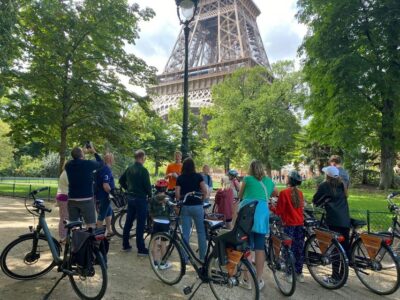
Paris Local Districts and Stories Off the Beaten Track Guided Bike Tour
Read our review →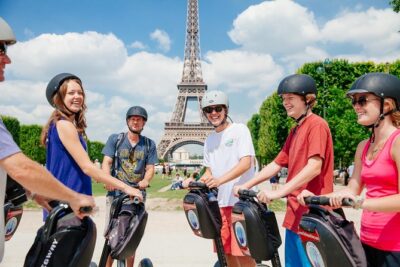
Highlights of Paris Bike Tour w/ a Local Guide (English or Dutch)
Read our review →Browse the lists this ride appears in