
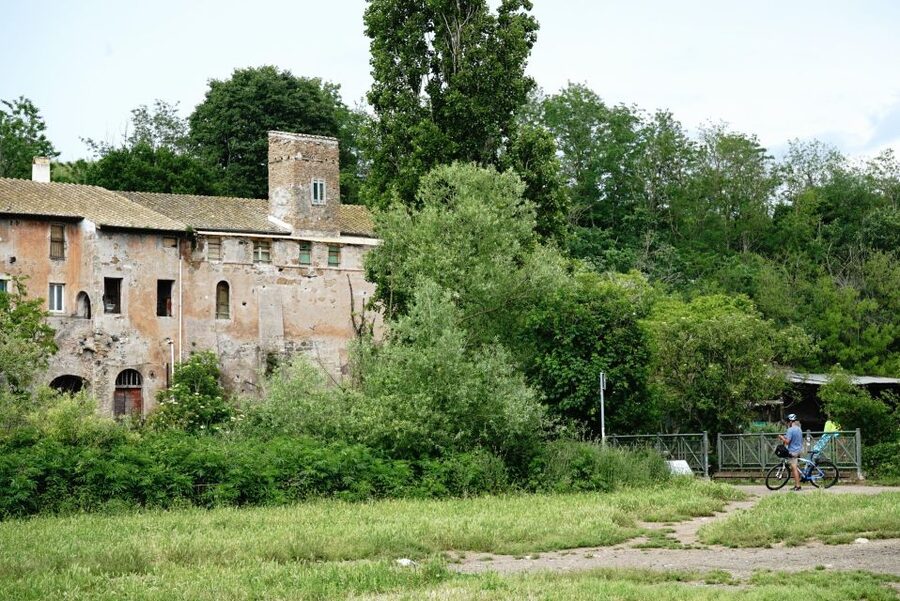
Review · ROME
Rome: Appian Way, Catacombs & Roman Aqueducts Top EBike Tour
Rome’s best escape from the usual museum circuit may be a bicycle ride south of the Colosseum. This 27-kilometre route links the Aurelian Walls, the ancient Appian Way, Roman tombs, the Catacombs, Aqueducts Park, and Caffarella Valley. I like the smart mix of open-air archaeology and green space, plus the Cannondale e-bikes, which take the sting out of hills and rough paths. Guides such as Fabio, Claudia, Megan, and Zak are praised for clear explanations and careful street navigation.
The main caution is the distance and surface. This is an intermediate ride, with about 60 percent off-road and some unavoidable city traffic. I would choose the four-hour version if you mainly want the Appian Way and aqueducts, but the six-hour trip is the better value if a guided catacomb visit matters to you.
Key points before you book
- A 27-kilometre route: Expect a serious half-day ride, not a casual spin around central Rome.
- Mostly away from traffic: About 60 percent of the route uses parks and off-road paths, though city connections still require care.
- Two tour lengths: The four-hour trip skips the catacombs; the six-hour option includes a 45-minute underground visit.
- Excellent e-bikes: Cannondale electric mountain bikes have anti-puncture tires and comfortable saddles.
- Small groups: No more than 10 people makes it easier for the guide to control intersections and answer questions.
- Best for active sightseers: You get ruins, countryside, and fresh air, but you need reasonable bike confidence and stamina.
Why this is a different Rome sightseeing day
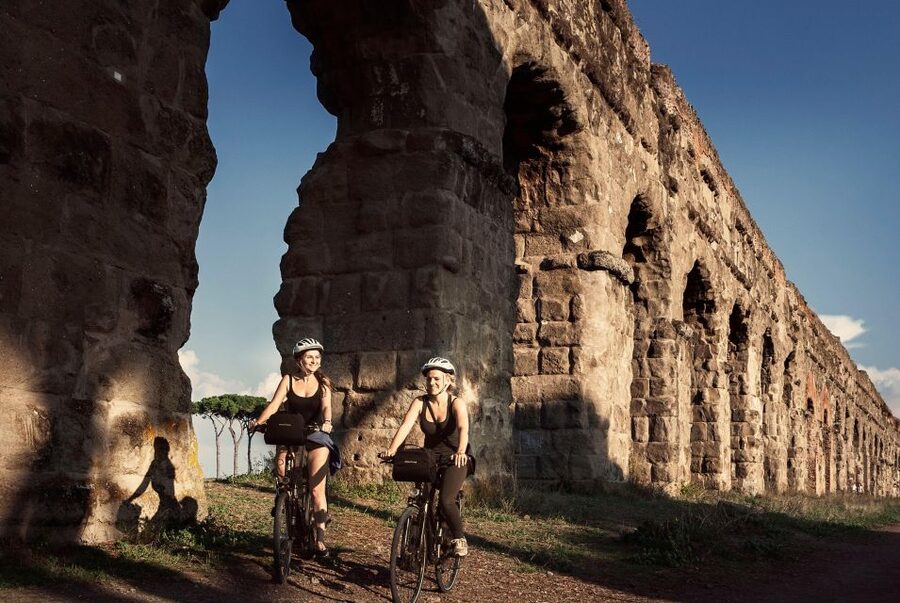
Central Rome gives you grand buildings, crowded piazzas, and famous fountains. This ride shows another side of the city: sheep-country fields, pine trees, ancient road stones, ruined villas, and enormous aqueduct arches. You are still close to Rome, but the pace is slower and the setting feels far removed from the city center.
The ancient Appian Way, or Via Appia Antica, was one of Rome’s most important roads. Parts of it are more than 2,000 years old, and its route passes tombs, villas, and religious sites that reveal how Romans remembered the dead and displayed wealth. An e-bike lets you cover much more ground than you could on foot, while the guide supplies the context that individual ruins often lack.
I especially like the route design. You leave from Via Labicana 49, about a five-minute walk from the Colosseum, then pass through the Aurelian Walls and out toward the Appian Way. Later, the path reaches the broad Aqueducts Park before returning through Caffarella Valley and back toward the Baths of Caracalla.
That variety is the point. You are not spending four to six hours looking at one category of ruin. You move between urban defenses, burial monuments, imperial remains, underground Christianity, water engineering, and Roman countryside.
More E-Bike Tours in Italy
- Rome EBike Tour: Appian Way, Catacombs & Roman Aqueducts
★ 5.0 · 1,766 reviews - Rome: Top Highlights & Hidden Gems Tour by Cannondale E-Bike
★ 4.9 · 1,760 reviews - Rome: Appian Way & Aqueducts E-Bike Tour (Catacombs & Food)
★ 4.9 · 1,498 reviews
From Via Labicana to the Aurelian Walls
The tour begins at the operator’s shop on Via Labicana 49. This is a useful meeting point because it is easy to reach from the Colosseum area, and the staff can fit you with a helmet and Cannondale e-bike before departure.
The helmet is mandatory. The bikes have electric assistance, anti-puncture tires, and a comfortable saddle, practical features on a long route with uneven surfaces. If you have not used an e-bike before, allow a little time to get familiar with the controls. The electric motor helps greatly on inclines, but you still need to steer, brake, and manage the bike over rough ground.
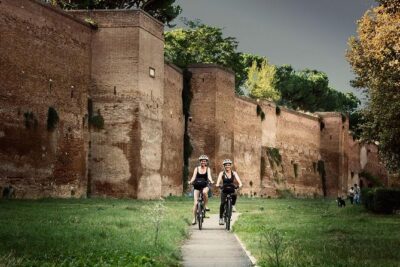
The opening section passes the Aurelian Walls, the defensive circuit built around Rome in the late third century. This is a good introduction because it reminds you that ancient Rome was not just temples and forums. It was also a heavily defended city whose boundaries changed as its power and threats changed.
The route includes some city riding here. Your guide leads the group through carefully selected streets, but traffic cannot be removed entirely. Guides including Claudia, Fabio, and Zak received especially strong praise for helping groups cross intersections and stay together. That matters more than it may sound. A confident guide makes the urban part feel manageable, while a nervous rider may find it the most demanding section.
The Appian Way and its funerary monuments
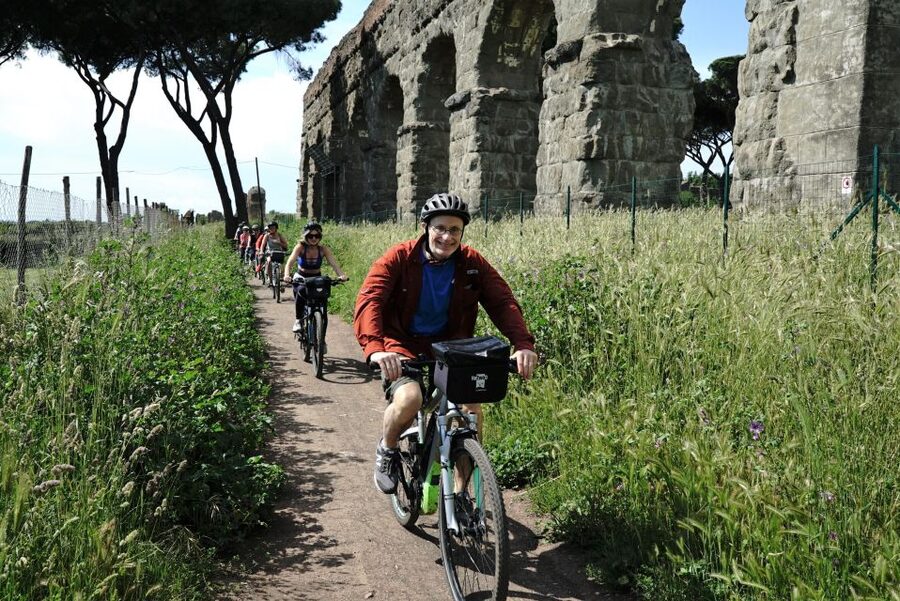
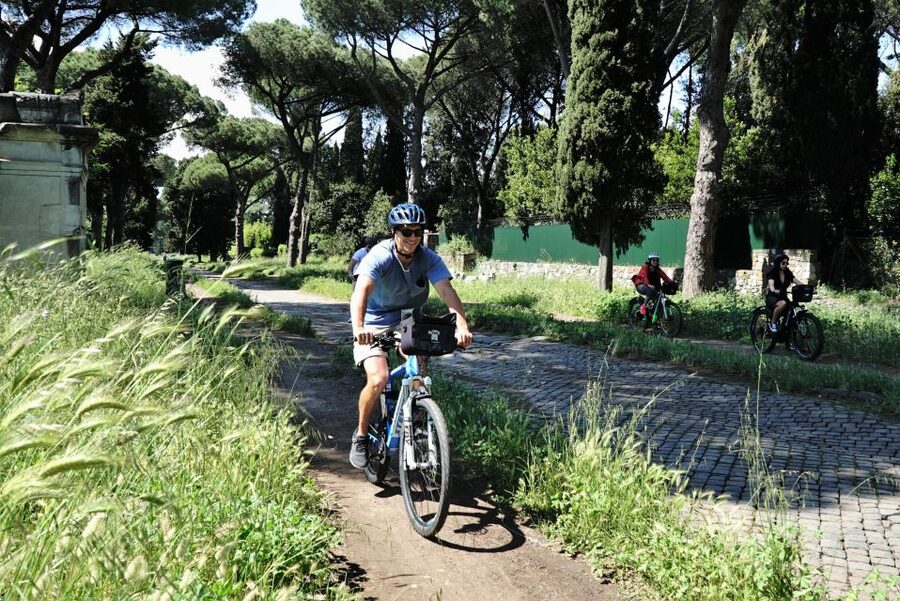
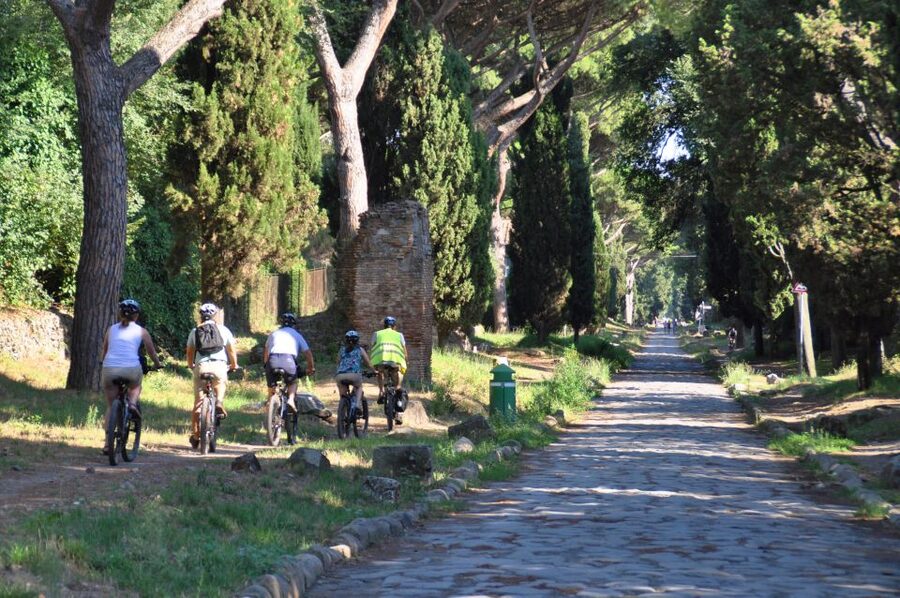
Once you reach the Appian Way, the character of the ride changes. The road opens into a long archaeological corridor lined with ancient remains. You pass mausoleums, villa ruins, and fragments connected with Roman funerary customs.
The appeal here is not one single perfectly preserved building. It is the long view down an ancient road, with monuments appearing at intervals and the modern city fading behind you. Your guide can explain why tombs were placed along major roads and how Roman families used burial monuments to display status and preserve names.
The surface is part of the experience, but it is also part of the challenge. About 60 percent of the total ride is off-road, and the Appian Way can be uneven. The e-bike makes the distance and moderate climbs easier, but it does not turn a rough stone road into pavement. Keep both hands ready, slow down when needed, and do not assume electric assistance removes every physical demand.
You will also see the Circus of Maxentius, part of the complex associated with the emperor Maxentius. The stop helps place the Appian Way within the imperial period, when major building projects and monumental estates stretched far beyond the center of Rome.
The Tomb of Cecilia Metella is another key sight. Its round, fortified appearance makes it one of the most recognizable monuments along the road. This is the sort of place that benefits from a guide because the structure is visually striking, but its full meaning depends on knowing who Cecilia Metella was and why a tomb could become such a prominent roadside marker.
The six-hour option and the Roman catacombs
The longer tour adds a guided catacomb visit lasting about 45 minutes. You descend into the underground corridors associated with Early Christian burial and worship. This is the most enclosed and serious part of the day, so it will appeal more to adults and older children than to very young riders.
The catacombs help explain a different chapter of Rome. Above ground, the Appian Way shows public monuments and wealthy families. Below ground, the corridors point to communal burial practices and the growth of Christianity outside the public religious system of imperial Rome.
I would choose the six-hour trip if you want a fuller historical picture and do not mind spending part of the day underground. The catacomb visit is not simply another photo stop. It is a guided walk through narrow corridors, and some children may find it dull compared with the bike ride and open parks. One family specifically found the catacombs less interesting for their children, while enjoying the cycling itself.
The catacomb stop is only included in the six-hour version. If you book the shorter ride, you still see the Appian Way, Maxentius complex, Cecilia Metella area, Villa dei Quintili, Aqueducts Park, Caffarella Park, and the Baths of Caracalla, but you do not go underground.
More E-Bike Tours in Rome
- Rome: Appian Way, Catacombs, & Roman Aqueducts E-bike Tour
★ 4.9 · 1,421 reviews - Rome City Small Group Bike Tour with quality Cannondale EBike
★ 5.0 · 1,380 reviews - Rome by Night – Ebike Small Group Tour – Food and Wine (Option)
★ 5.0 · 1,275 reviews - Rome by Night: E-bike Small Group Tour -Food & Wine (Option)
★ 4.9 · 1,233 reviews
Villa dei Quintili and the reach of imperial Rome
The route continues toward Villa dei Quintili, a large imperial villa complex near the Appian Way. The villa gives you a sense of how far Roman power extended beyond the city center. It also changes the scale of the story. Instead of seeing only isolated tombs, you begin to picture estates, roads, water systems, and imperial property working together across the countryside.
You should not expect a fully restored palace with every room open. The value is in the remains and the setting, along with the guide’s explanation of how the site fitted into Roman life. Fabio was particularly praised for making historical information easy to follow, and that style suits this stop. A long list of emperors and dates is not much help on a bicycle. Clear stories and visible connections are.
The ride through this area is one of the reasons I prefer this tour to a standard city bus excursion. You are moving at ground level, with time to notice the changing surroundings. You also have the chance to ask questions as you go, rather than hearing a fixed recording through headphones.
Aqueducts Park and the best open-air views
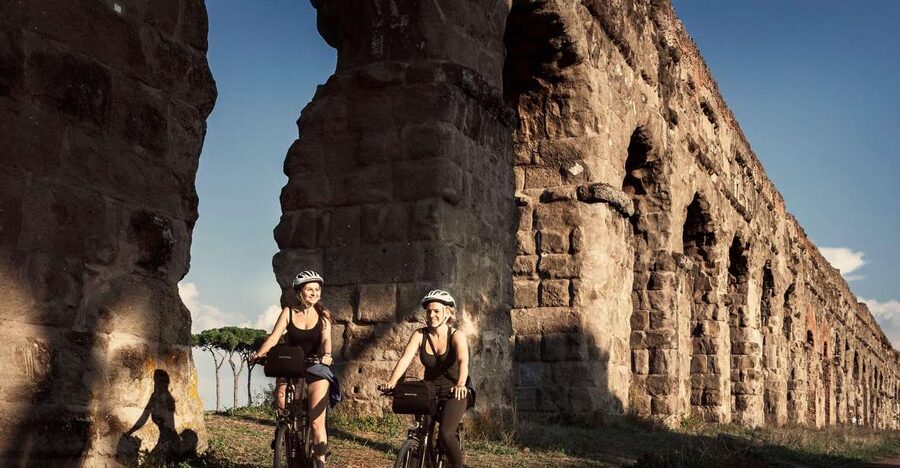
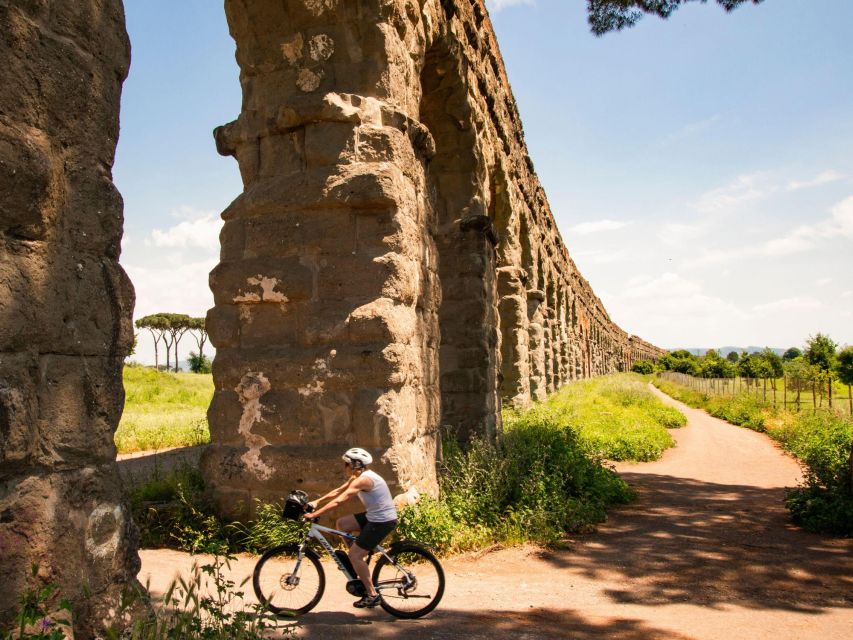
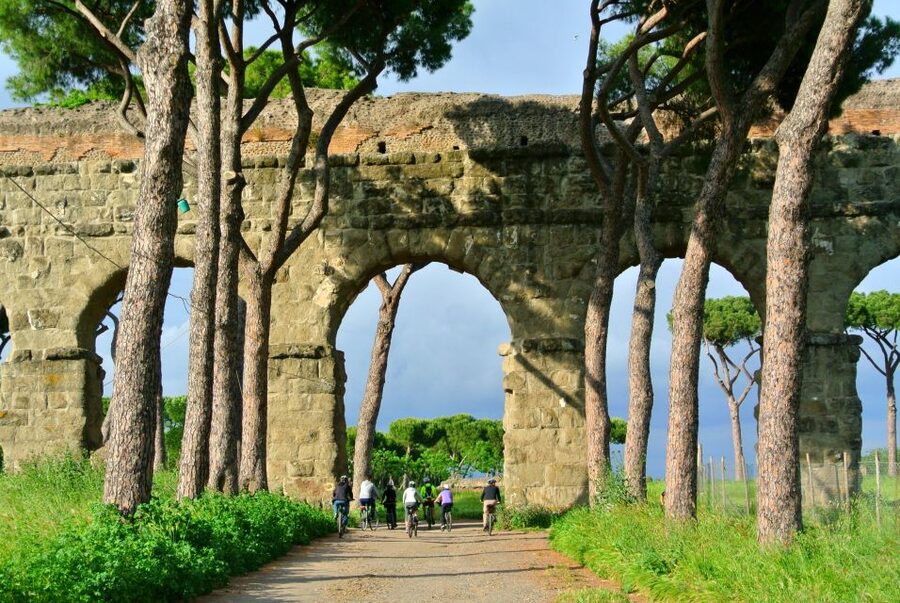
Aqueducts Park is likely to be the visual high point. Here, tall Roman arches cross the open area, reminders of the engineering system that brought water into Rome from distant sources. The structures are large enough to make modern construction look modest, and they are especially impressive when seen from a bike path rather than from a busy street.
The aqueducts also explain why this route works so well as a history tour. You are not merely viewing ruins as isolated objects. The road carried people and goods, the tombs marked family status, villas supported elite life, and aqueducts supplied the growing city. The guide connects these pieces into one story.
The park is away from traffic, which makes it a welcome contrast after the urban connections. The route’s open sections are where the e-bike feels most enjoyable. You can cover ground without exhausting yourself, yet still pause for photographs and explanations.
The time of day and season matter. In summer, riders have found the route warm, and the six-hour version gives you more hours outside. Spring, autumn, and cooler winter days may be more comfortable for a long ride. Bring sun protection and dress for several hours outdoors. The tour supplies a bottle of water, but no food or additional drinks, and the route has places where you can buy something.
Caffarella Valley and the ride back to Rome
Caffarella Valley provides the final countryside section. This green area inside Rome feels surprisingly rural, with open space replacing traffic and dense buildings. It is a fitting return route because you gradually move from ancient rural Rome back toward the modern city.
The path is not a smooth recreational trail from start to finish. You may encounter rough ground, crossings, and short sections where the group must ride carefully. Still, the parks contain no traffic for much of the route, and the guide keeps the pace together.
The final sights include the Baths of Caracalla, among the largest public bathing complexes of ancient Rome. Even if you only see them from the route, they provide a strong closing reminder of the city’s scale and public infrastructure. From there, the group returns to Via Labicana 49.
How hard is the 27-kilometre ride?
The tour is rated intermediate. That description is important. The electric assist makes the ride accessible to people who do not cycle every day, and one group included ages from 13 to 70 with everyone completing the route. Another rider who was not used to cycling often felt comfortable because the motor handled the hills.
Still, this is not a beginner’s ride in every respect. You need to remain alert in traffic, handle an off-road surface, and sit on a bike for several hours. The city portion is about 40 percent of the route, and some traffic is unavoidable when connecting the Appian Way with Aqueducts Park. The remaining park sections are free of traffic.
Children ages 1 to 4 can ride free in a child seat if they weigh under 22 kilograms. Ages 5 to 8 use a child extension, while children aged 9 and above who are taller than 140 centimetres can ride an e-bike. The tour is difficult with a child seat or child extension, so families should consider the full distance carefully. Babies under 1 are not accepted.
The bike equipment has a total weight limit of 136 kilograms, or 300 pounds. A minimum of four participants is required, and the group can have up to 10 people.
Is $100 a fair price?
At about $100 per person, this is not the cheapest way to see Rome. It is a fair price if you value the bike, guide, safety support, and the amount of ground covered.
A self-guided visit to the Appian Way and Aqueducts Park could cost less, but you would need to plan the route, rent equipment, manage city traffic, and work out how to connect distant sites. You would also lose the guide’s explanation at the tombs, villas, and aqueducts. The six-hour version offers stronger value because it adds the catacomb visit and more time on the full route.
The small group helps justify the price. With no more than 10 riders, the guide can monitor the group, give instructions at intersections, and adjust explanations to the people present. The main value is not luxury. It is access to a large area with less planning and less physical strain.
The tour also offers free cancellation up to 24 hours before departure and a reserve-now, pay-later option. Starting times vary, so check availability for your date. On Wednesdays, and from January 14 through February 11, 2026, the ride may take up to 30 minutes longer than usual.
Who should choose this tour?
I would recommend it to active sightseers who have already seen some central Rome and want a different day outside the usual monuments. It suits couples, families with older children, and anyone who likes archaeology better when it comes with open air and movement.
It is also a good choice if you are nervous about city cycling but still want to ride. Guides such as Fabio, Claudia, Megan, Meghan, Areia, Zak, and Caterina are praised for patient instruction, historical explanations, and careful handling of traffic. The guide cannot remove every busy street, but good group control makes those sections much less stressful.
I would hesitate if you dislike uneven paths, underground spaces, or long active outings. In that case, choose the four-hour version rather than the six-hour trip, or consider a less demanding sightseeing option. If the catacombs are your main interest, confirm that you are booking the longer tour.
Should you book it?
Book this tour if you want to see a broad slice of Rome’s ancient outskirts in one well-planned outing. The Aqueducts Park and Appian Way are the strongest reasons to go, while the e-bike and small group make the distance realistic for many people who would not attempt it on a regular bicycle.
Choose the six-hour option for the catacombs and a fuller day of archaeology. Choose four hours if you want the outdoor highlights without committing to an all-day ride. Either way, arrive ready for 27 kilometres, bring sun protection, and treat the e-bike as helpful equipment, not a substitute for cycling ability.
FAQ
Where does the Rome e-bike tour begin and end?
The tour begins and ends at the operator’s shop at Via Labicana 49, about a five-minute walk from the Colosseum.
How long is the tour?
You can choose a four-hour or six-hour version. On Wednesdays, and during January 14 through February 11, 2026, the tour may last up to 30 minutes longer than usual.
How far do you ride?
The route is 27 kilometres, or about 17 miles.
How much of the route is off-road?
About 60 percent of the route is off-road. Around 40 percent takes place in the city, where some traffic is unavoidable.
Is the catacomb visit included?
The guided catacomb visit is included only in the six-hour tour. It lasts about 45 minutes.
What kind of bike is provided?
You receive a Cannondale e-mountain bike with electric assistance, anti-puncture tires, and a comfortable saddle. A helmet and bottle of water are also included.
Can children join the tour?
Infants aged 1 to 4 can ride in a child seat if they weigh under 22 kilograms. Children aged 5 to 8 use a child extension, and children aged 9 and above who are taller than 140 centimetres can ride an e-bike. The ride is difficult with a child seat or extension, and babies under 1 are not accepted.
What languages are available for the guide?
Live guides are available in English, Italian, Dutch, French, German, and Spanish.
New cycling reviews around Rome
- Rome: Full-Day Guided Tour by E-Bike with Lunch Included★ 4.9 · 36 reviews
- Rome: Panoramic Off-the-beaten-track Cannondale E-Bike tour★ 5.0 · 71 reviews
- In Rome like a star: e-bike tour with photo shoot★ 4.9 · 20 reviews
- Rome :guided night e-bike tour with typical ice-cream★ 5.0 · 55 reviews
- Hidden Rome: Small Group E-Bike Tour with Street Food Stops★ 4.9 · 144 reviews
- Rome: E-Bike Sunset Tour with Pizza Option★ 4.9 · 428 reviews
- Rome: Early Morning E-Bike Tour★ 4.9 · 84 reviews
- Rome: E-Bike Tour of Appia Antica, Aqueducts, and Caffarella★ 4.9 · 51 reviews
Rome Cycling Tours, compared.
Rome EBike Tour: Appian Way, Catacombs & Roman Aqueducts
Read our review →
Rome: Top Highlights & Hidden Gems Tour by Cannondale E-Bike
Read our review →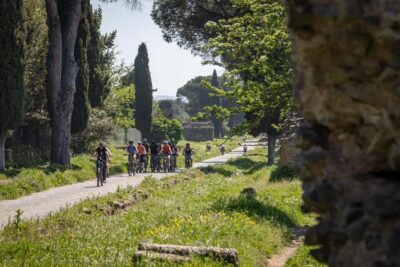
Rome: Appian Way & Aqueducts E-Bike Tour (Catacombs & Food)
Read our review →
Rome City Small Group Bike Tour with quality Cannondale EBike
Read our review →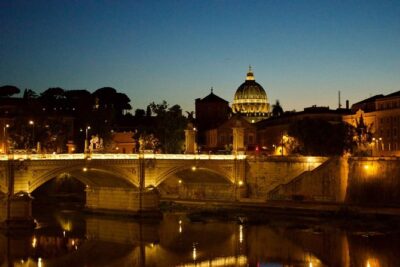
Rome by Night – Ebike Small Group Tour – Food and Wine (Option)
Read our review →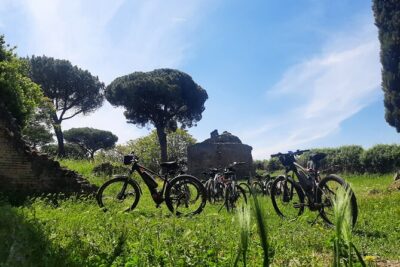
Appian Way Aqueducts Bike Tour (Catacombs & Lunch Option)
Read our review →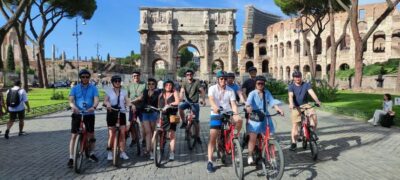
Rome: Standard or E-Bike Highlights Guided Tour
Read our review →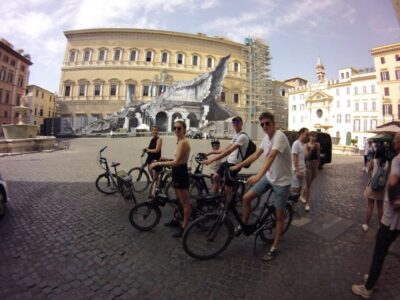
Browse the lists this ride appears in