
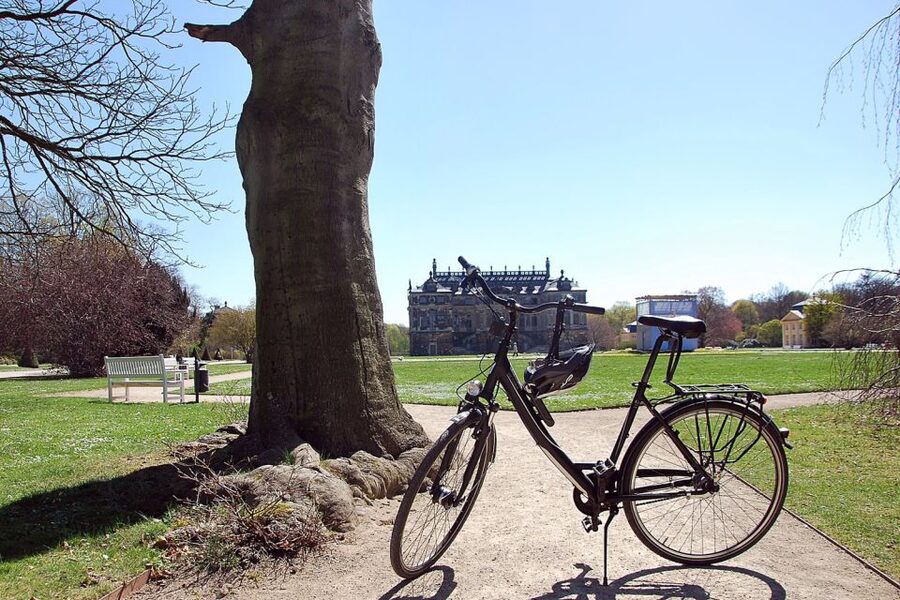
Review · GERMANY
Dresden: Guided City Tour by Bike
Dresden’s best sights make more sense when you connect them by bike. This three-hour ride follows easy cycling routes beside the Elbe, through gardens, across the city, and into the outer Neustadt. You get the famous old town, but also the places that show how Dresden lives today.
I like the quiet, mostly level route and the way it mixes grand landmarks with ordinary city streets. I also like the range of stops: Frauenkirche and Semperoper for Dresden’s polished historic face, then Kunsthofpassage and the outer Neustadt for its younger, more creative side. The main drawback is simple: the tour is offered only in German, and children under 14 cannot join.
Key points to know before you ride
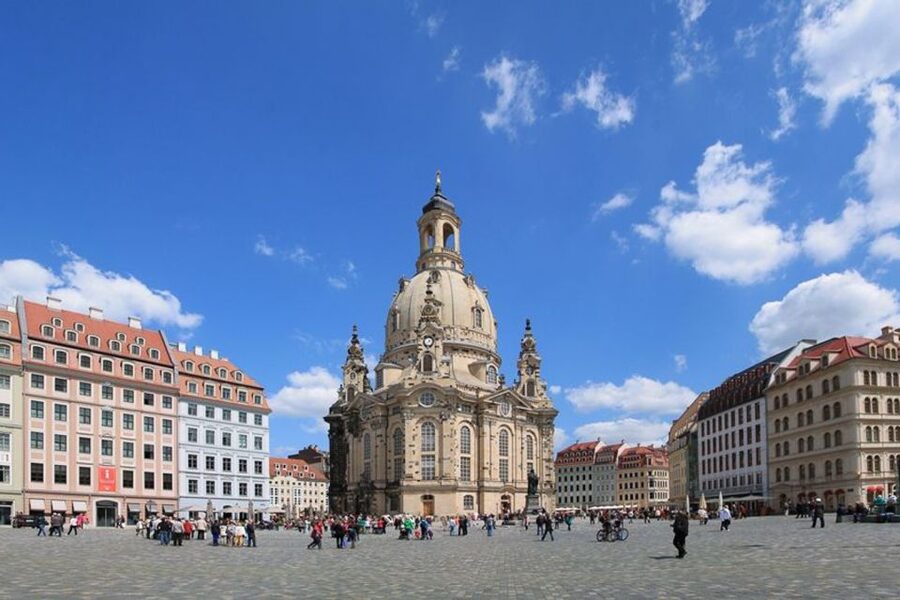
- A three-hour route with little climbing: The Elbe cycling paths and quiet streets make this a manageable introduction to Dresden.
- Old town and modern districts together: You see Frauenkirche, Zwinger, and Semperoper, then ride into the outer Neustadt.
- A strong mix of culture and scenery: Großer Garten, the Elbe banks, and views from Waldschlösschen Bridge break up the city sightseeing.
- The guide shapes the experience: Jürg and Jörg have been especially praised for clear explanations, humor, and a comfortable pace.
- German only: You need enough German to follow the live commentary.
- Good value at $23: The price includes the guided ride and helmet, with a bicycle included if you book the rental-bike option.
Why a bicycle is a smart way to see Dresden
Dresden is spread out in a way that suits cycling. The old town sits close to the Elbe, but several worthwhile stops are farther along the river or in the Neustadt. On foot, you would spend much of your time covering ground between sights. By bike, you can link them without turning the day into a march.
The route uses quiet streets, cycling paths, and stretches along the Elbe. The tour description notes that there are no significant height differences, which matters if you enjoy sightseeing but do not want a strenuous ride. This is not presented as a sporty cycling challenge. It is a sightseeing tour with wheels.
I would think of the pace as active but relaxed. You need to keep moving with the group, yet the purpose is to stop, listen, look around, and take photographs. A guide leads the way, so you do not need to plan a route through Dresden yourself.
The starting point is Dresden Information at Frauenkirche. The tourist office is in the basement, in the seating area. That location puts you right in the old town, close to one of Dresden’s most recognizable buildings, so allow enough time to find the correct indoor meeting area before the ride begins.
More City Highlights Bike Tours in Germany
- Berlin: Sights and Highlights Bike Tour with a Local Guide
★ 4.8 · 2,698 reviews - Berlin Highlights 3-Hour Bike Tour
★ 5.0 · 948 reviews - Berlin Highlights: 3-Hour Bike Tour
★ 4.9 · 809 reviews
Frauenkirche gives the tour its first Dresden lesson
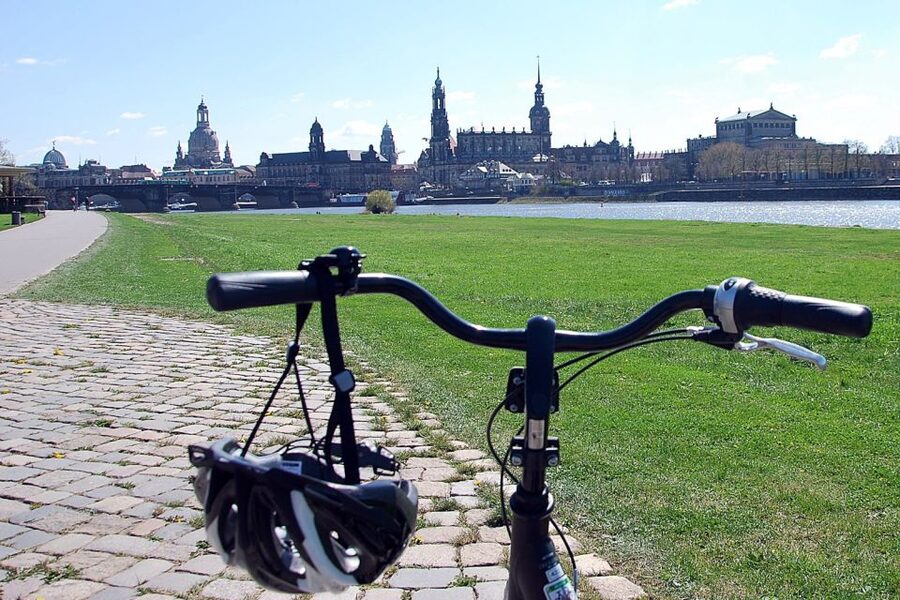
The tour begins near Frauenkirche, the great domed church at the heart of Dresden’s historic center. You receive a guided introduction here, and it is a useful opening because the church carries so much meaning for the city.
The stop is not only about architecture. Frauenkirche is closely tied to Dresden’s wartime destruction and later rebuilding. Your guide can place the building within the wider story of the city, rather than treating it as a pretty façade to photograph and leave behind.
Since the tour starts here, you get your bearings quickly. The old town is compact at this point, with major cultural buildings close together. The bike then lets you move beyond that central cluster and see how Dresden changes from one district to the next.
From the Hygiene Museum to Großer Garten
The route next reaches the German Hygiene Museum, followed by Großer Garten. These stops shift the mood from the formal old town to a more open part of Dresden.
The museum is a notable city institution, and the guide provides commentary rather than simply passing by. The name can sound slightly odd to English speakers, but the building and its role in Dresden’s cultural life make it a useful stop on a city tour.
Großer Garten gives you room to breathe. Its gardens and broad open spaces provide a welcome change after the stone façades around Frauenkirche. I like this part of the route because it shows that Dresden is not just an architectural showcase. You also get flower gardens and green space woven into the city.
The combination works well on a bicycle. You can cover the distance between the old town and the park without a long walk, then pause for the guide’s explanation. If you prefer a tour that stays inside museums or focuses only on monuments, this will feel more open and varied.
Waldschlösschen Bridge and the Elbe castles
At Waldschlösschen Bridge, the group pauses for photographs and a guided look at the Elbe Valley. This is one of the scenic high points of the ride.
The bridge gives you a broad view along the river toward Dresden’s Elbe castles. The setting helps explain why the Elbe Valley is such a defining part of the city. Instead of viewing Dresden only from crowded squares, you see how its grand buildings, river, and open ground fit together.
This is also a practical photo stop. You have time to get off the bike and take in the view, rather than trying to snap pictures while riding. The experience description calls the views stunning, and that is the kind of claim that depends on weather and light. Still, the location clearly offers one of the more memorable outlooks on the route.
The bridge itself is part of Dresden’s more recent urban story, so the guide can connect modern infrastructure with the city’s older landmarks. That contrast is one reason this ride offers more than a standard central walking tour.
Same roads, a different ride:
- Munich 3-Hour Guided Bike Tour
★ 4.5 · 1,731 reviews - Hamburg 3-Hour Bike Tour
★ 4.8 · 1,583 reviews - Classic Mike’s Bike Tour daily @ 11.30 incl Beer Garden & Surfers
★ 5.0 · 1,246 reviews - Berlin City Bike Tour with Beer Garden Stop
★ 5.0 · 917 reviews
Pfunds Molkerei and the outer Neustadt
The ride continues to Pfunds Molkerei, where there is a short break for restrooms. This is a useful pause at about the midpoint or later part of the route, though the exact timing can vary.
Pfunds Molkerei is known for its ornate dairy-shop interior. Even with a brief stop, it gives you a glimpse of Dresden’s decorative side outside the major monuments. Do not expect a long shopping visit or a full meal stop. The main purpose here is a short break and a look at a distinctive local place.
From there, the tour moves toward Dresden’s outer Neustadt, often described as the city’s hip and trendy district. The contrast with the old town is the point. You leave the formal Baroque center and see a neighborhood associated with newer city life, independent character, and creative spaces.
This section may be especially useful if you are considering returning to Dresden after seeing the headline sights. It gives you an idea of where the city feels less ceremonial. The guide’s local tips can help you decide which areas deserve more of your own time later.
Kunsthofpassage shows Dresden’s creative side
Kunsthofpassage is one of the most distinctive stops on the route. It is a series of courtyards with unusual façades and artistic details, tucked into the Neustadt.
The stop helps explain why Dresden should not be reduced to its reconstructed Baroque center. You get a different visual language here, with playful design and a more contemporary feel. The guide leads you through the passage and explains what makes the area worth seeing.
For photographers, this is likely one of the most rewarding stops. The courtyards are compact, so you will want to listen closely and then take your pictures during the available pause. It is also a good example of how a bike tour can reach places that are easy to miss if you follow only the main sightseeing route.
The Neustadt portion adds personality to the day. You are not just ticking off famous buildings. You are seeing a district with its own look and rhythm.
The return through Dresden’s Baroque center
The final part of the ride returns to the old town, passing the Baroque district, Palais of Japan, Theatre Square, Semperoper, and Zwinger. This gives the tour a satisfying architectural finish.
Semperoper is Dresden’s famous opera house and one of the city’s grandest buildings. The guide provides a look at its place in Dresden’s cultural life and points out the setting around Theatre Square. Seeing it after the river, gardens, bridge, and Neustadt makes the building feel like part of a larger city rather than an isolated photo stop.
Zwinger brings another major Baroque landmark into view. Its courtyards and ornate details are among Dresden’s essential sights, even if you do not enter during this tour. The bike ride lets you see the exterior and receive an introduction without committing time to a full museum visit.
Palais of Japan adds another piece to the old town’s architectural story. The tour does not remain in one period or one style. That broad sweep is useful if you have only a short stay and want an overview before choosing which buildings to visit inside.
The route ends back at Dresden Information by Frauenkirche. You finish where you began, which makes it easy to continue sightseeing in the center, return to your hotel, or use the guide’s suggestions for the rest of the day.
The guide matters more than the bicycle
A city bike is useful here, but the guide is what turns the route into a real city introduction. The strongest feedback has focused on guides Jürg and Jörg, particularly their ability to explain complicated parts of Dresden’s past in a clear way.
Jürg has been praised for telling stories that connect past and present, while keeping a comfortable pace. Jörg has also been singled out for humor, interesting facts, and explanations that give you several ways to understand the city. Those details matter because a three-hour ride can easily become a list of dates and building names. Good storytelling keeps the route connected.
The guide also gives insider tips. That can mean suggestions for districts, sights, or places worth returning to after the tour. You should not expect the same guide every time, and individual styles can vary. One piece of feedback described the route as good but felt the guide had room to improve, so the experience is not perfectly uniform.
Still, the overall rating is strong at 4.5 from 424 ratings. The most consistent strengths are the guide’s city knowledge, clear explanations, humor, and manageable speed.
What is included, and what the $23 price means
At $23 per person, this is a good-value way to get a structured introduction to Dresden. You are paying for three hours of guiding, access to a planned route, and a helmet. A bicycle is included if you select the option with a rented bike.
The value comes from the amount of ground covered. In three hours, you reach the old town, Großer Garten, the Elbe, Waldschlösschen Bridge, Pfunds Molkerei, outer Neustadt, Kunsthofpassage, and the major Baroque sights. Reaching all of those areas independently would require more route planning and a fair amount of walking or local transport.
Check the booking option carefully if you need a bicycle. The included-bike wording applies to the rented-bike option, so you should not assume every price choice includes one. The information provided does confirm that cycling helmets are included.
At this price, I would not expect entry to the museums, Frauenkirche interior, Semperoper, or Zwinger collections. The tour is an exterior-focused city ride with guided stops, not a series of admissions. That is a benefit if you want orientation first, but you will need separate time and tickets for interior visits.
Who should book this ride?
I would recommend it to a first-time visitor who wants to understand Dresden’s layout quickly. It is also a good fit if you enjoy active sightseeing, prefer open-air tours, or want to see more than the old town without arranging transportation.
It suits confident cyclists who can ride for three hours at a gentle sightseeing pace. The route is described as mostly level, but you still need to be comfortable riding in a group and following the guide through city streets and paths.
This is less suitable if you need English commentary. The live tour is in German only, and that is a firm practical consideration. It is also not available to children under 14.
The tour works well early in a Dresden stay. You see the major districts, learn what connects them, and receive ideas for where to spend more time later. If you already know the city well, the Elbe route and outer Neustadt may still offer a useful new angle, especially if you enjoy seeing everyday districts alongside famous monuments.
Final call: a strong overview for German-speaking cyclists
Book this tour if you want a low-stress, wide-ranging introduction to Dresden and can follow German commentary. The route covers more ground than a walking tour, includes both famous sights and less formal neighborhoods, and costs a modest $23.
Skip it if you want long interior visits, English guiding, or a serious athletic ride. For everyone else, the mix of Elbe views, Großer Garten, Waldschlösschen Bridge, Kunsthofpassage, Frauenkirche, Semperoper, and Zwinger gives you a well-shaped first look at Dresden. The city’s grand past gets proper attention, but the ride also shows you where Dresden feels current and lived-in.
FAQ
Where does the Dresden bike tour begin?
The meeting point is Dresden Information at Frauenkirche. The tourist information office is in the basement, in the seating area.
How long does the guided bike tour last?
The tour lasts three hours. Starting times depend on availability.
Is the tour available in English?
No. The live guide and tour commentary are in German only.
Is a bicycle included?
A bicycle is included when you book the option with a rented bike. A cycling helmet is included.
Can children join the tour?
Children under 14 are not permitted to join this activity.
What are the main sights on the route?
The route includes Frauenkirche, the German Hygiene Museum, Großer Garten, Waldschlösschen Bridge, Kunsthofpassage, Semperoper, and Zwinger. It also passes Pfunds Molkerei, Palais of Japan, the Baroque district, and the outer Neustadt.
New cycling reviews around Germany
- Dresden: Bike Rental – City Bike with Option Children Seat★ 4.5 · 13 reviews
- Private Highlights of Berlin Bike Tour★ 5.0 · 13 reviews
- Munich: Street Art Bike Tour★ 4.6 · 66 reviews
- Munich by Bike: Half-Day Tour with Local Guide★ 4.7 · 417 reviews
- Munich: Bike Tour with Beer Garden Break★ 4.9 · 391 reviews
- Munich Essentials Bike Tour★ 4.9 · 401 reviews
- Munich: Mini Classic Bike Tour with Beer Garden Stop at 4 PM★ 4.8 · 28 reviews
- Leipzig: 3-Hour Bike Tour★ 4.8 · 207 reviews
Germany Cycling Tours, compared.
Berlin: Sights and Highlights Bike Tour with a Local Guide
Read our review →
Classic Mike’s Bike Tour daily @ 11.30 incl Beer Garden & Surfers
Read our review →
Berlin Highlights Sightseeing Bike Tour in Small Groups
Read our review →Browse the lists this ride appears in