
Review · KYOTO
Kyoto: Arashiyama Bamboo Forest Morning Tour by Bike
Arashiyama is at its best before the day-trippers arrive, and this early-morning bike tour gets you into the bamboo grove while it is still relatively calm. You also see far more than bamboo: Togetsukyo Bridge, Tenryuji’s gardens, small shrines, rice fields, and backstreets most visitors miss.
I like the easy pace and the small groups, capped at eight riders. Guides such as Ray, Rob, Milo, Peter, and Yuki are praised for clear explanations, careful road guidance, and a knack for finding quiet photo stops. The main drawback is timing: this tour runs only in the early morning, and anyone hoping for a long, athletic ride may find the frequent sightseeing stops leave less time in the saddle.
Key points to know before booking
- The bamboo forest comes first: An early start helps you see Arashiyama before the paths become packed.
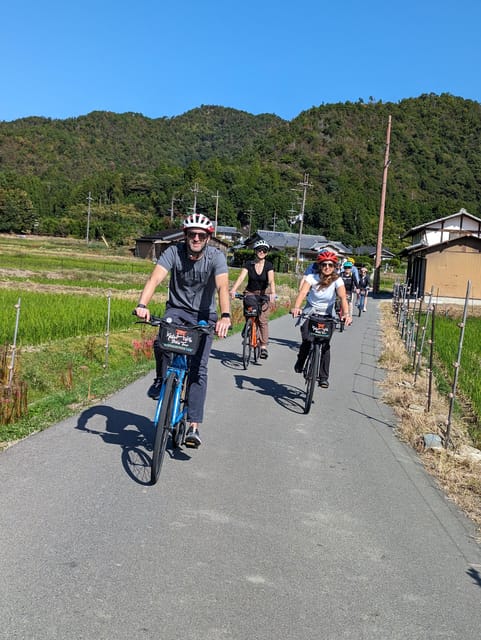
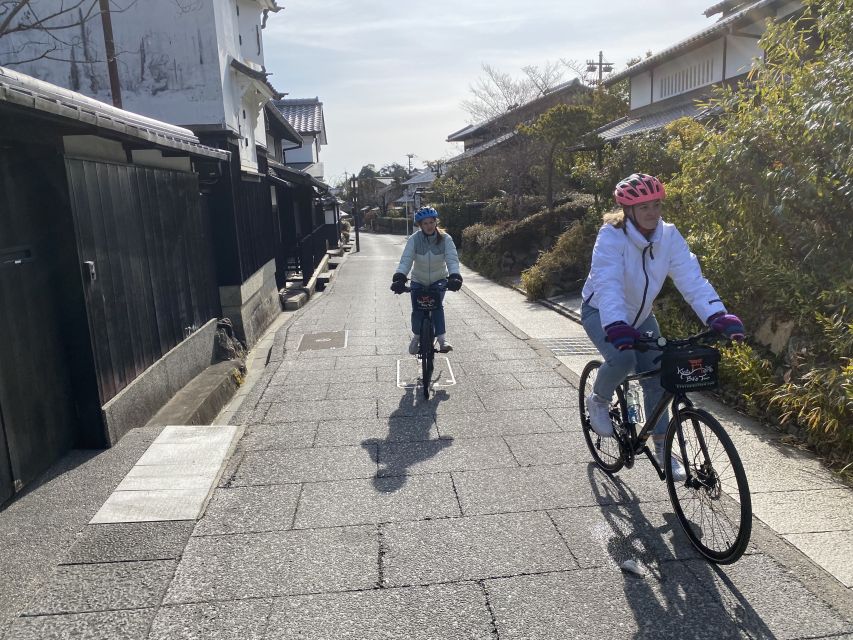
- You ride beyond the headline sights: The route can include rice paddies, residential lanes, shrines, smaller temples, and countryside.
- The riding is mostly gentle: The route is mainly flat, with regular stops and a pace designed to keep the group together.
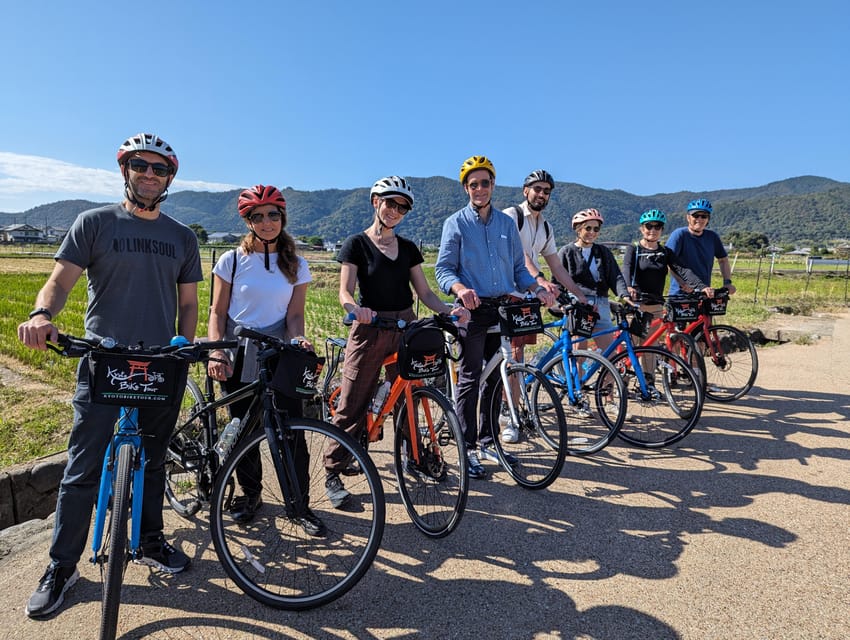
- Small groups make a difference: With no more than eight participants, guides can answer questions and watch out for less confident cyclists.
- The price covers the practical basics: Your bicycle, helmet, bottled water, and admission fees are included in the $103 price.
- Weather can change the plan: If rain is forecast, the operator may contact you about rescheduling or cancellation.
Why an early bicycle ride works so well in Arashiyama
Arashiyama is one of Kyoto’s most photographed districts, and that popularity can work against it. By late morning, the bamboo paths, bridge approaches, and temple streets can feel crowded enough to slow every step. Starting early gives you a better chance to enjoy the grove as a place, not just as a backdrop for a quick photo.
A bicycle also changes the scale of the visit. On foot, you can see the bamboo forest and nearby temples, but reaching quieter parts of western Kyoto takes more time. On two wheels, you can connect the famous sights with rice fields, local homes, and narrow lanes in one 210-minute outing.
I especially like that the tour does not treat the bamboo grove as the whole point. The grove is the headline stop, but the surrounding area gives you a clearer feel for Arashiyama’s mix of temples, farming, homes, and tourist streets.
The early hour does require discipline. You will need to be ready for a morning start, and the exact meeting point arrives after booking rather than appearing in the basic tour details. Plan your Kyoto morning around this outing instead of assuming you can fit it in later after a slow breakfast.
More Cycling Trips in Kyoto:
- Hidden Kyoto E-Biking tour
★ 5.0 · 1,843 reviews - Bike Tour Exploring North Kyoto plus Lunch
★ 5.0 · 1,087 reviews - Arashiyama Bamboo Forest & Hidden Gems Bike Tour (Early Bird)
★ 5.0 · 613 reviews
Entering the bamboo forest before the crowds
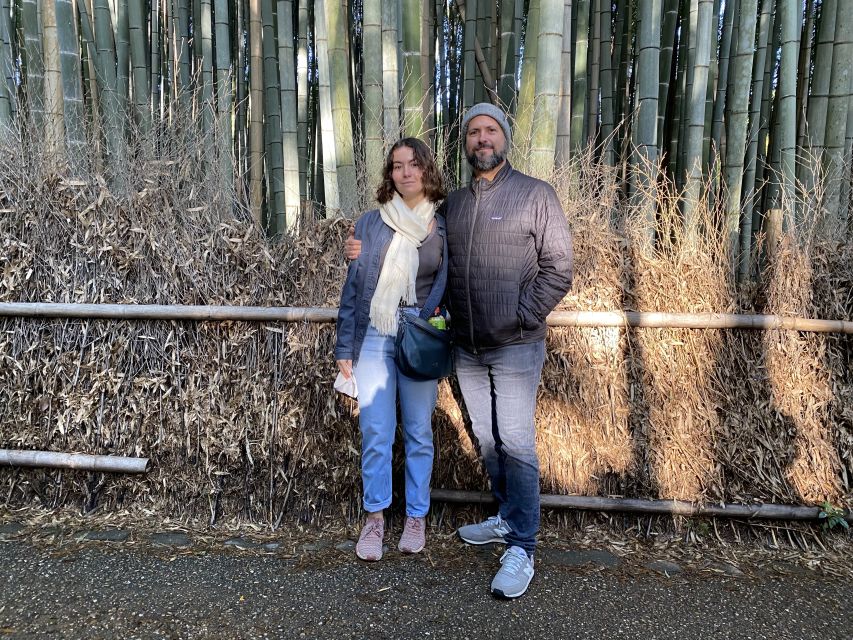
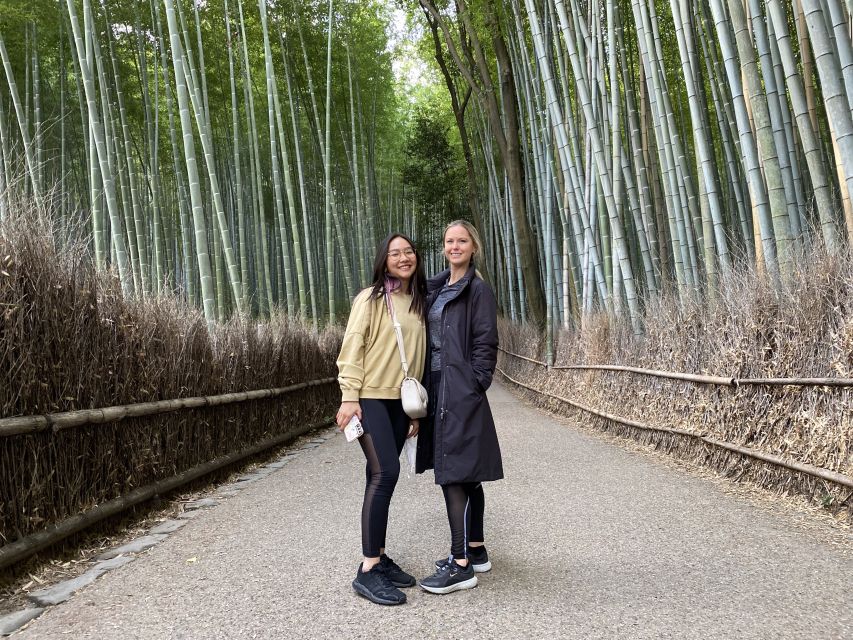
The bamboo forest is the emotional center of the ride. Tall green stalks rise on both sides of the path, filtering the light and giving the place a cool, enclosed feel. It is a simple setting, but one that looks and feels very different from ordinary Kyoto streets.
Your guide takes you there early, before the heaviest flow of visitors. This is the tour’s smartest piece of planning. You still may share the path with other people, but an early arrival gives you more room to stop, look up, and take photographs without constantly stepping aside.
There is one practical point to keep in mind: bicycles are not useful on every part of the bamboo route. The value here is not racing through the grove. It is arriving efficiently, seeing the forest at a better hour, and then using the bicycle to reach the wider Arashiyama area.
If your main goal is a long, quiet walk inside the bamboo, you may want extra time after the tour. The guided ride continues to other stops, so you should not expect to spend the full morning in the grove alone.
Togetsukyo Bridge and the wider Arashiyama view
Togetsukyo Bridge is another essential Arashiyama stop. It crosses the river in a broad, open setting that feels very different from the enclosed bamboo paths. The bridge gives you space to take in the surrounding hills and river views, and it helps place the district in its natural setting.
The bridge area can be busy, especially later in the day. The early start helps, but the ride is not designed to give you a long, unhurried block of free time here. One area for improvement is that some participants wanted more time at the bridge and in the center of Arashiyama.
That is a fair trade-off rather than a flaw. The tour is built around variety. You see the bridge, then move on to temples, shrines, rural lanes, and fields instead of spending the entire morning at one landmark.
Your guide can also help you understand how the major sights fit together. Rather than treating the bridge as a quick photo stop, the commentary connects it to the district’s setting and daily life.
Tenryuji gardens and quieter religious sites
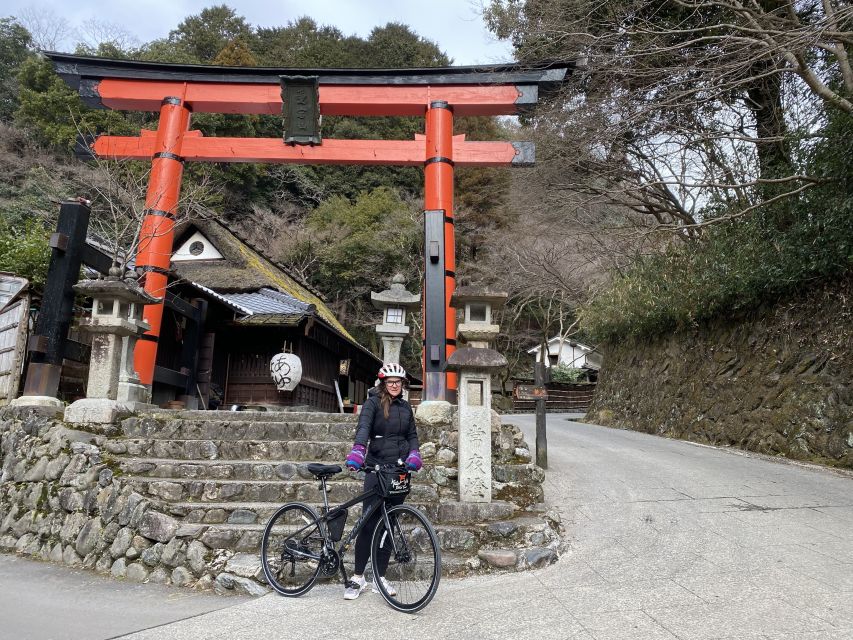
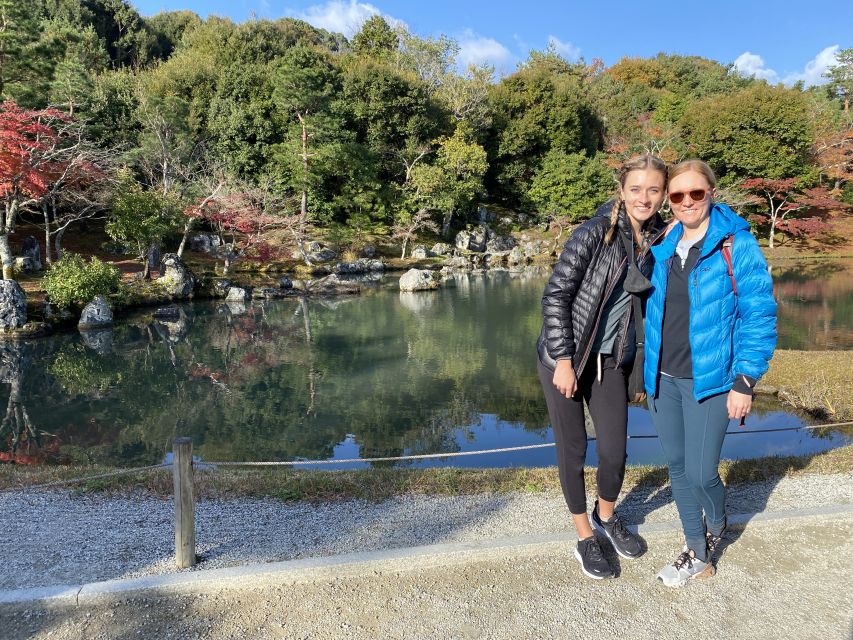
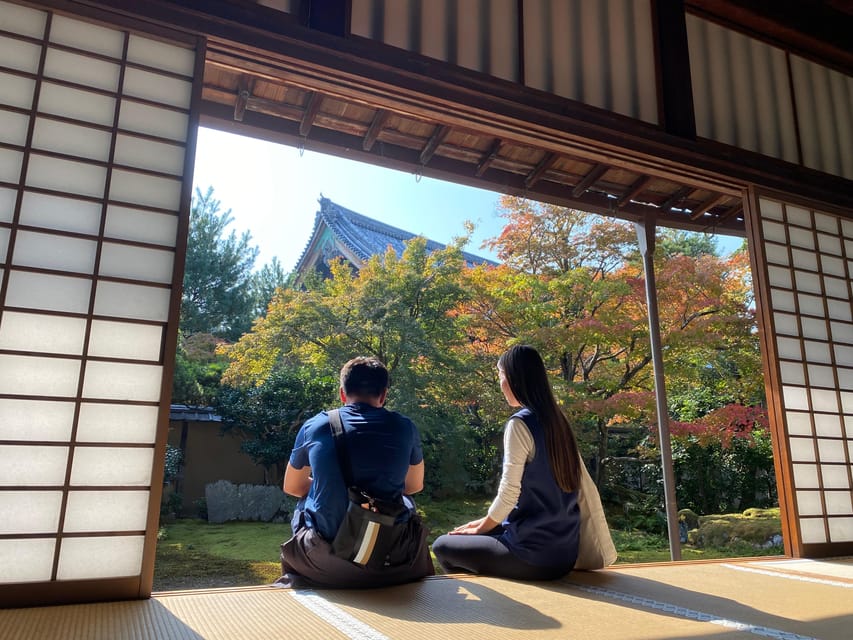
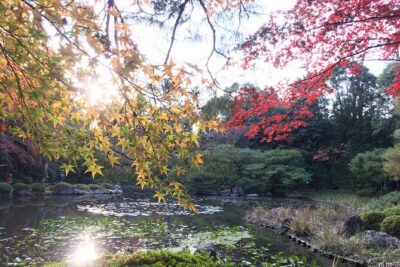
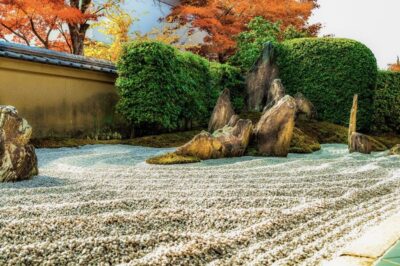
The tour includes the gardens of Tenryuji, a UNESCO World Heritage Site and one of Arashiyama’s most important temples. The gardens are valued for their careful composition, with water, stone, plants, and borrowed views working together in a calm setting.
Admission is included, which makes the stop easier and adds value to the fixed price. You do not need to decide on the spot if the temple is worth an extra entrance fee because it is already part of the experience.
The temple visit also gives the morning a useful rhythm. You alternate between riding and walking, which keeps the outing from becoming a nonstop cycle through streets. The guides explain the religious and cultural details, including practices connected with smaller shrines and temples.
Some routes include a lesser-known temple or shrine beyond Tenryuji. These stops are often where the tour feels most personal. You get a quieter setting and a chance to ask questions about Japanese customs without the pressure of a large group moving behind you.
Yuki, Ray, Peter, Rob, and Milo are each praised for explaining history, culture, language, and everyday life in a clear way. The guide you receive may vary, but strong communication is central to the experience.
Same roads, a different ride:
- 5 Top Highlights of Kyoto Full Day Bike Tour (E-bike option)
★ 5.0 · 511 reviews - Full Day Biking Tour Exploring the Best of Kyoto
★ 5.0 · 498 reviews - Kyoto: Memory Kyoto E-Bike Tour
★ 4.8 · 297 reviews - E-Bike Tours of the highlights of Kyoto!!!
★ 5.0 · 291 reviews
Rice fields, homes, and the Arashiyama most visitors miss
The best surprise for many riders is the countryside outside the main sightseeing zone. The route can pass rice paddies, farmers at work, attractive homes, and quiet roads that feel far removed from the usual Kyoto postcard.
This part of the tour gives you a more grounded view of the district. You see that Arashiyama is not only a collection of temples and photo spots. It is also a place where people live, grow rice, commute, and carry on ordinary routines.
The rural sections are also a good reason to choose a bicycle rather than a walking tour. You cover enough ground to see several different sides of the area without spending the whole day on public transport or in taxis.
The ride is described as mainly flat and manageable, with regular stops. That makes it suitable for riders who are comfortable on a bicycle but do not want a strenuous cycling excursion. One slightly nervous cyclist felt safe and able to keep up, helped by a guide who monitored the group and handled road navigation carefully.
Still, you should be comfortable riding in a group and sharing roads. The route includes streets rather than only traffic-free paths, and there may be tourists and other road users to navigate around. If you are an extremely inexperienced cyclist, contact the operator before booking so you can understand the conditions.
What the 3.5-hour pace feels like
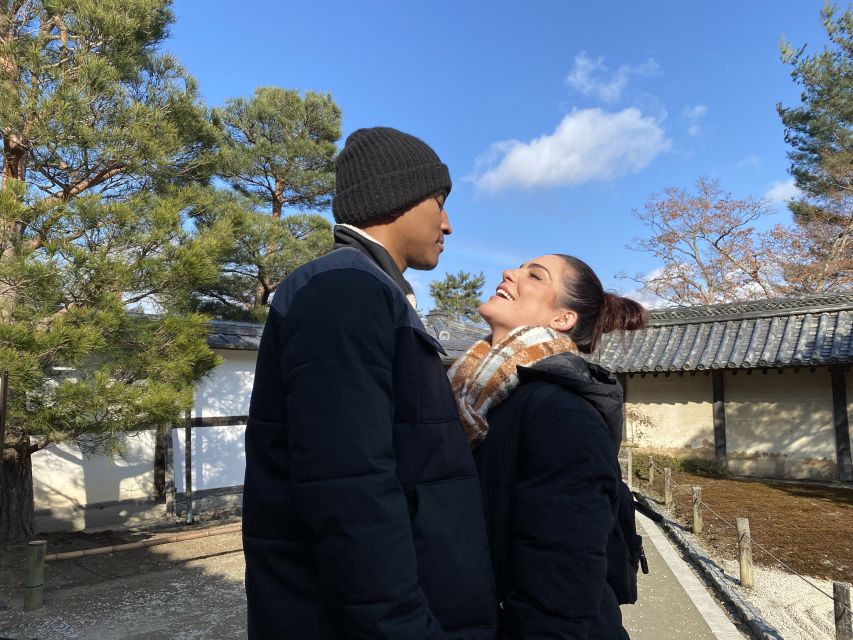
Three and a half hours is long enough to see a lot of Arashiyama, but short enough to leave room for lunch or another Kyoto sight afterward. The route combines cycling, walking, temple visits, photo stops, and guide commentary.
Do not think of this as a performance ride. The emphasis is on seeing places and understanding them. Guides check that the group stays together, stop regularly, and adjust their attention to different ability levels.
That format works well for families and mixed groups. Families with children and teenagers have enjoyed the mix of cycling, shrines, temples, countryside, and occasional treats. Younger riders get movement and variety, while adults get cultural context and local stories.
The downside is clear: if you booked because you want hours of uninterrupted cycling, the tour may feel too stop-and-start. One participant specifically wanted more bike riding. I would choose this experience for access and interpretation, not for speed or distance.
Summer heat is another consideration. A July or August ride can still be manageable because of regular stops, but expect warm conditions. Bottled water is included, and that is useful, though food and other drinks are not.
Guides, bikes, and group size
The guide can shape the whole morning. Ray is praised for careful explanations, cultural insight, good photo spots, and patient answers. Rob is noted for humor, local stories, history, food suggestions, and safe road guidance. Milo receives praise for friendly care and taking groups to places they would not find alone.
Peter is especially well suited to families, with a calm manner and a good balance between information and fun. Yuki is praised for checking that everyone was together and helping the group understand temples, shrines, and local customs.
The group limit of eight is important. It keeps the ride from becoming a long line of bicycles and gives you a better chance to speak with the guide. It also lets the guide notice if someone is nervous, falling behind, or needs a slower pace.
Bicycles and helmets are supplied. Riders have described the bikes as well maintained, with adjustable seats and adjustable helmets. Bottled water and entry fees are also covered.
You do not receive hotel pickup or drop-off, and food and drinks beyond the supplied water are not included. The meeting point and pre-tour instructions are sent after booking, and the guide wears a Kyoto Bike Tour shirt and bike helmet to make identification easier.
Is $103 a fair price?
At $103 per person, this is not the cheapest way to see the bamboo forest. You could visit Arashiyama independently for less, especially if you are happy to use public transport and decide which sights to enter.
The price begins to make sense when you value time and coverage. You get a bicycle, helmet, water, English-speaking guide, and admission fees. More importantly, you are not spending half your morning figuring out how to connect the bamboo grove, bridge, temple, shrine, and countryside.
The guide’s local route knowledge is the main value. A map can show you Tenryuji and Togetsukyo Bridge, but it will not necessarily lead you through rice fields, residential lanes, or less familiar religious sites. Nor will it explain small cultural details while keeping a group safe on the road.
For a first Kyoto visit, this can replace several hours of planning. For a repeat visitor who already knows Arashiyama well, the quieter backstreets and rural route may still justify the cost.
The activity has a perfect 5 rating from 115 reviews, with the strongest praise focused on the guides, easy pace, safety, cultural explanations, and access to places outside the standard route. There are two useful cautions in the feedback: one rider wanted more cycling, and another wanted more time around the bridge and central area.
Who should book this Arashiyama ride?
I would choose this tour if you want to see the famous sights but also want a look at everyday Kyoto. It is especially useful for first-time visitors, families with older children or teenagers, couples who like active sightseeing, and anyone who prefers a small group to a large bus tour.
It also suits people who are curious about Japanese customs. The guides explain temple and shrine etiquette, local history, food, language, farming, and daily life, so the ride offers more than transport between photo stops.
You should think twice if you dislike early mornings, are not comfortable cycling on roads, or want a hard workout. The route is mainly flat and gentle, but it is still a bicycle tour, not a purely walking excursion.
Rain can affect the plan. If rain is forecast, the operator sends information about possible rescheduling or cancellation. The cancellation policy allows a full refund when you cancel at least 24 hours ahead, and you can reserve now and pay later.
My verdict: book it for access, not speed
I recommend this tour if your ideal Kyoto morning includes bamboo, temples, countryside, local streets, and a guide who can explain what you are seeing. The early start is worth accepting because Arashiyama becomes much harder to enjoy once the crowds build.
The strongest reason to book is the combination of famous sights and ordinary life. You get the bamboo forest and Togetsukyo Bridge, but you also ride past rice fields, homes, shrines, and quieter temples. That broader view is what gives the morning its value.
Skip it if your only goal is a slow walk through the bamboo grove or a serious cycling workout. For most visitors, though, the small group, gentle route, included admissions, and attentive guides make $103 a reasonable price for a well-planned half-day in western Kyoto.
FAQ
How long does the Arashiyama bike tour last?
The tour lasts 210 minutes, or about three and a half hours.
Is the tour available throughout the day?
No. This experience is available only in the early morning.
What language is the tour conducted in?
The live tour is conducted in English by a native English-speaking guide.
How many people can join the group?
The group is limited to eight participants.
What sights are included?
The route includes the Arashiyama Bamboo Forest, Togetsukyo Bridge, and the gardens of Tenryuji Temple. It can also include shrines, smaller temples, rice fields, residential lanes, and countryside.
Is bicycle rental included?
Yes. A bicycle and helmet are included in the price.
Is bottled water provided?
Yes. Bottled water is included.
Are temple admission fees included?
Yes. Admission fees are included.
Is hotel pickup and drop-off provided?
No. Hotel pickup and drop-off are not included. The operator sends the meeting point and other pre-tour details after booking.
What happens if rain is forecast?
You will receive a message about possible rescheduling or cancellation if rain is forecast. You can also cancel up to 24 hours in advance for a full refund.
New cycling reviews around Kyoto
- Best of Kyoto: Ginkakuji & Path of Philosophy E-Bike Tour★ 4.9 · 79 reviews
- Kyoto: Tailored E-Bike Tour to Highlights & Hidden Gems★ 4.9 · 32 reviews
- Kyoto: Full-Day City Highlights Bike Tour with Light Lunch★ 5.0 · 52 reviews
- Kyoto: Half-day Guided Bike Tour with Fushimi Inari★ 4.9 · 21 reviews
- Kyoto: Full Day Bike Tour★ 4.9 · 39 reviews
- Kyoto: Early Bird E-Bike Tour with Lunch★ 5.0 · 14 reviews
- Cycle Kyoto’s Hidden Gems & Gion Stroll★ 5.0 · 29 reviews
- Kyoto: Afternoon Bamboo Forest and Monkey Park Bike Tour★ 4.9 · 83 reviews
Kyoto Cycling Tours, compared.
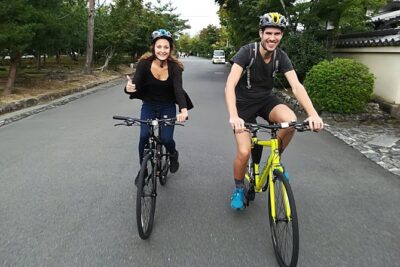
Arashiyama Bamboo Forest & Hidden Gems Bike Tour (Early Bird)
Read our review →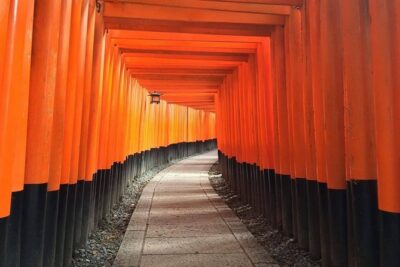
5 Top Highlights of Kyoto Full Day Bike Tour (E-bike option)
Read our review →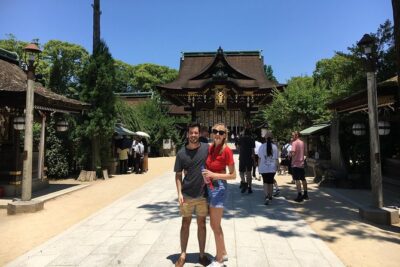
Full Day Biking Tour Exploring the Best of Kyoto
Read our review →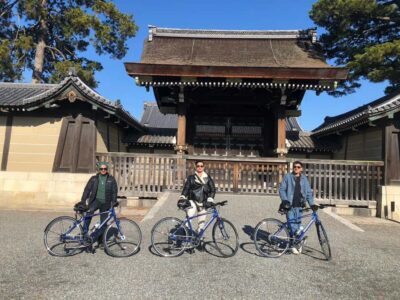
Browse the lists this ride appears in