
Review · JAPAN
Naha: Guided E-Bike Tour of the 12 Zodiac Temples
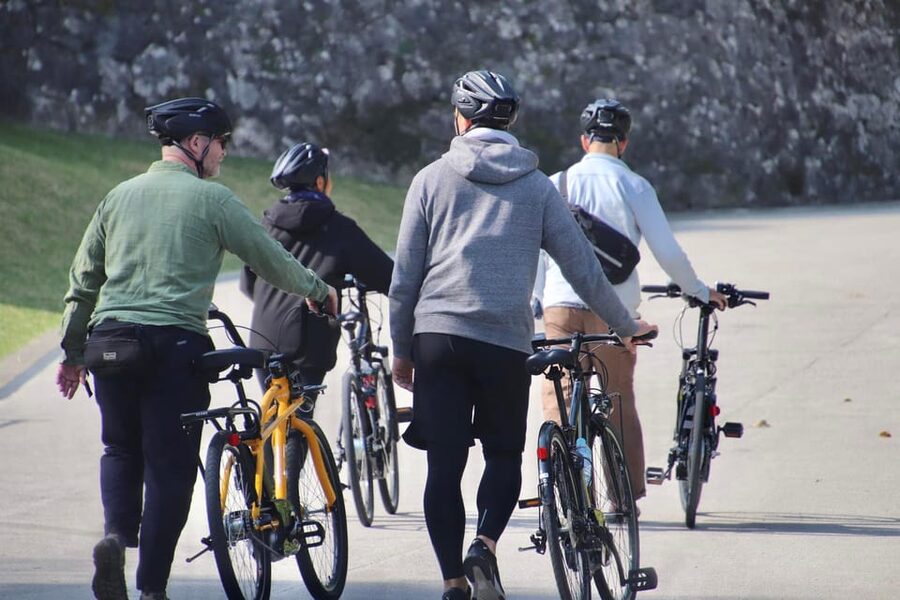
Shuri’s temples are easy to miss from a car and awkward to link on foot. This three-hour ride takes you through quiet lanes, up Okinawa’s steel hills, and into small religious sites tied to the old Ryukyu Kingdom. The electric bike does the hard work, while the guide fills in the customs and stories that signs often leave out.
I like the small group of five and the helmet intercom system. You can hear directions and explanations without stopping every few minutes, and guides such as Maki, Maria, Hiro, and Reiji have been praised for clear explanations and careful pacing. I also like the unusual stops: a forest spring, a former royal mausoleum, and a daruma temple are more revealing than a quick photo at a famous gate.
The main consideration is simple: you need to be comfortable riding a bicycle in town. The tour is not suitable if you cannot ride, and sandals or flip flops are not allowed. Okinawa’s heat also makes water, sunscreen, a hat, and light cycling clothes sensible choices.
Key points to know before you book
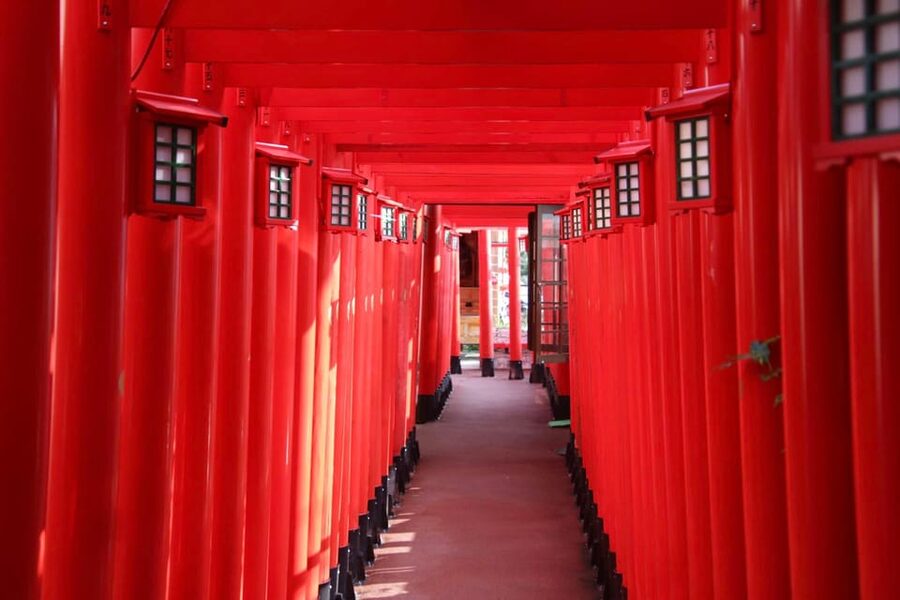
- Seven religious and cultural stops: See Shuri Kannon, Ankokuji, Daruma Temple, Seikoji, Sogenji, Saki Kasahigawa spring, and Shureimon Gate.
- Electric assistance for Shuri’s hills: The e-bike helps make the uphill sections manageable, though you still need basic cycling control.
- Helmet intercom included: You can hear the guide and communicate during the ride instead of bunching up at every corner.
- Small groups, up to five people: The format leaves room for questions and some adjustment to your riding pace.
- A three-hour introduction to Shuri: The route offers a useful mix of temples, side streets, royal history, and quiet green corners.
- Good access from central Naha: The shop is a five-minute walk from Monorail Makishi Station, next to the post office.
Why an e-bike is a smart way to see Shuri
Shuri is not just a single castle complex. Its religious sites are scattered through residential streets and smaller lanes, with slopes connecting one stop to the next. Walking gives you a closer look at the neighborhood, but covering all these places on foot would take more time and energy than many visitors want to spend.
The electric bike solves much of that problem. You still pedal, so the tour feels active, but the motor takes the sting out of the hills. One useful detail from the experience is the helmet system with built-in speakers and microphones. Your guide can give traffic directions or explain a temple while you keep moving, and you can answer without shouting.
That matters on a small-group ride. With no more than five participants, you are not lost in a large line of bikes. Guides can check how you are doing, and several guides have been praised for stopping to make sure riders were comfortable and hydrated. The result should feel more like a guided outing with a local expert than a standard transport tour.
Still, this is not a sightseeing bus with a bicycle attached. You need to steer, brake, watch traffic, and manage the bike at stops. If you ride only occasionally, tell the guide at the beginning so the pace and instructions can be adjusted.
More E-Bike Tours in Japan
- Hidden Kyoto E-Biking tour
★ 5.0 · 1,843 reviews - Tokyo Top Highlights 3h Guided E-bike Tour
★ 5.0 · 714 reviews - 3h Tokyo E-Bike Tour: Hidden Gems, and Local Life with guide
★ 5.0 · 670 reviews
Starting near Makishi Station
The meeting point is the bike shop in the Daisho Building, a five-minute walk from Monorail Makishi Station and next to the post office. You meet the guide there, receive your electric bicycle and helmet, and get ready for the route.
The tour begins and ends at the same place, which keeps the logistics tidy. You do not need to arrange a taxi from a distant drop-off point, and you can leave larger sightseeing plans for before or after the ride.
Wear comfortable shoes with a secure fit. Sandals and flip flops are not permitted, and loose holiday clothing is less useful than something suitable for cycling. Bring water, sunscreen, and a hat. Meals, drinks, temple offerings, and shrine donations are not included.
The listed price is $95 per person. That is not the cheapest way to see Naha, but the cost includes the e-bike, helmet, intercom, and a live guide for three hours. I consider it fair value if you want both transport and interpretation, especially because the route links places that are easy to overlook. It is less compelling if you only want a short bike rental or prefer to visit temples without commentary.
Shuri Kannon Temple and the first climb
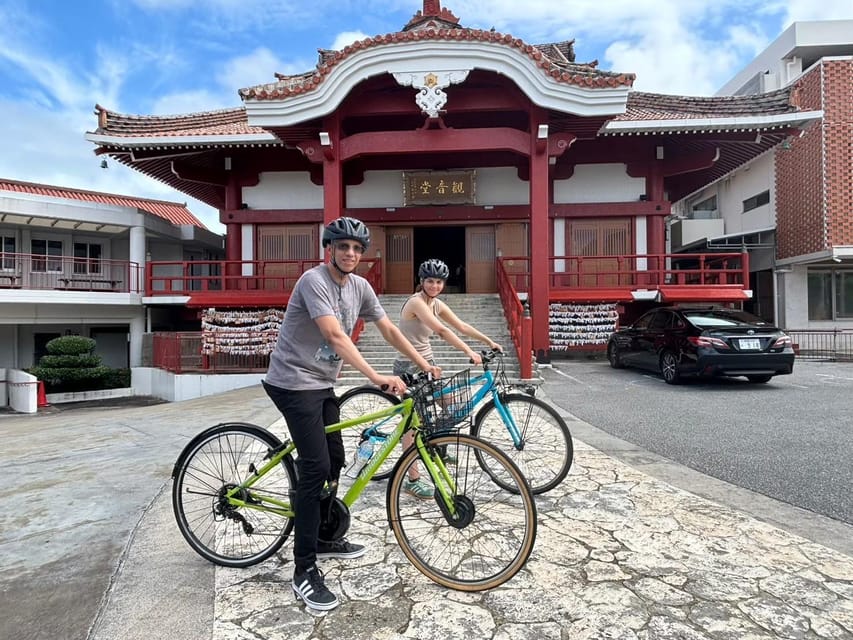
The first major stop is Shuri Kannon Temple, a guardian temple connected with the Ryukyu Kingdom. Its bright red appearance and detailed carvings give you an immediate sense that Okinawan religious buildings have their own visual language, distinct from the more familiar temple styles you may have seen elsewhere in Japan.
The temple also gives you views across Shuri. Your guide can explain the role of guardian temples and place the site within the area’s royal past, rather than leaving you to admire the colors without context.
This early stop is useful because it sets the tone for the ride. You are not simply collecting famous photographs. You are looking at religious places that still function as part of the local area, often reached through ordinary streets rather than broad tourist avenues.
The route includes a riding section of about 20 minutes around the early part of the tour. That is enough time to settle into the bike and learn how the electric assistance feels. Pay attention to braking and cornering before the hills become more demanding.
Ankokuji and the character of old lanes
Ankokuji Temple is a shorter visit, listed at about five minutes, but it adds a different mood. Here you see an ancient gate, traditional houses, and a large gajumaru tree. The tree is the sort of feature you might pass without a guide explaining why it matters, yet it helps give the temple grounds their age and sense of place.
The stop is brief, so do not expect a long independent exploration. Its value comes from contrast. After the more decorated Shuri Kannon Temple, Ankokuji feels local and restrained, with the old gate and tree doing much of the visual work.
The cycling between stops also gives you a look at Shuri away from its headline attractions. Your guide handles the route and traffic instructions, but you should still remain alert. The intercom is helpful, not a substitute for watching the road.
More Heritage and Temple Bike Tours in Japan
- E-Bike Nara Highlights – Todaiji, Knives, Deer, Shrine
★ 4.8 · 186 reviews - Historical Kyoto E-Bike Tour
★ 5.0 · 181 reviews - 4.5-Hour Kyoto Bike Tour with Lunch and UNESCO Zen Temples
★ 5.0 · 122 reviews - Kyoto: Fushimi Inari Shrine and Tofukuji Temple E-Bike Tour
★ 5.0 · 75 reviews
Shureimon Gate, Okinawa’s classic photo stop
Shureimon Gate is the most immediately recognizable point on the route. Its red structure is closely linked with Okinawa’s public image, and the tour gives you time to take a photograph with your bike in front of it.
That bike photo is a small but enjoyable touch. It shows the day as an active exploration rather than a series of taxi stops. The gate is also a good visual pause after the quieter temple visits.
Because Shureimon is a major symbol, this may be the busiest-feeling point of the ride, though no crowd size is specified. Your guide will help place the stop within the route, but you should not expect the privacy of a remote shrine. Bring your camera or phone, and keep the stop focused so the group can continue.
Daruma Temple and practical prayers
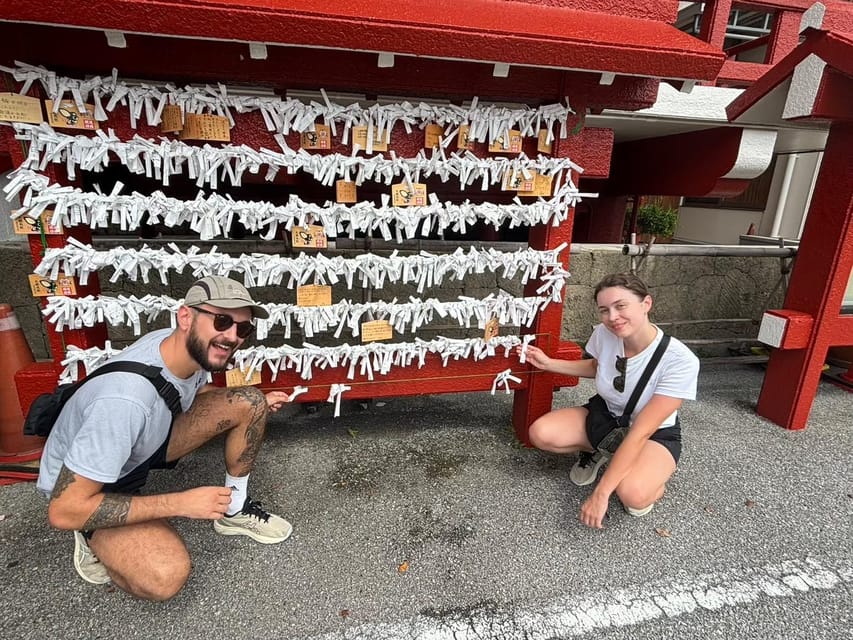
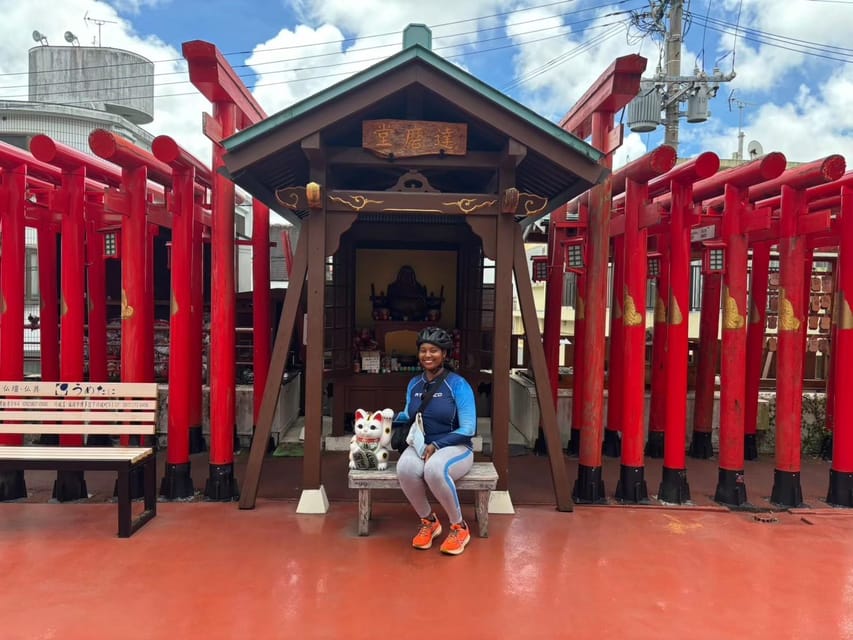
Daruma Temple brings a more colorful religious detail to the ride. It is known for health and pregnancy prayers, with red daruma dolls and a torii gate creating a bold scene.
This is a good stop for learning how places of worship can serve very specific hopes and needs. Your guide can explain the customs connected with the temple, including how visitors should behave. Money for offerings is not included, so you should not feel obliged to make one.
The visit lasts about 20 minutes, giving you more time than at Ankokuji to look at the dolls, gate, and surroundings. If you enjoy small cultural details, this may be one of the most memorable stops. If you prefer grand architecture, it is more modest, but its local purpose is exactly what makes it worthwhile.
Seikoji Temple and a quieter pause

Seikoji Temple offers a calmer stretch of the tour. You see Jizo statues and a modern building in a peaceful setting, with a sacred atmosphere that differs from the strong colors at Daruma Temple.
The scheduled visit is about 10 minutes. That is enough for an explanation and a careful look, but not a long meditation or extended photography session. Keep your expectations realistic: this is a compact overview of several places, not a half-day study of one temple.
The mix of old statues and newer construction also helps you see that Okinawan religious life is not frozen in the past. The route moves between older gates, trees, springs, and active places of prayer, showing several layers of the area without turning the ride into a museum visit.
Saki Kasahigawa, the miracle spring
Saki Kasahigawa is one of the route’s more unusual stops. Water flows from a deep forested area, and the spring is associated with miraculous qualities. The sound and movement of water offer a natural break from roads, buildings, and temple gates.
I like this stop because it broadens the meaning of the tour. You are not only visiting structures. You are seeing a place where nature and belief meet, and where flowing water carries a sense of continuity.
The supplied schedule does not assign a separate visit duration to the spring, so the exact time may depend on the guide and the day’s pace. Treat it as a short atmospheric pause rather than a long nature walk. Wear shoes you can comfortably use around the full cycling route.
Sogenji Temple and the royal past
The final major temple is Sogenji, a former royal mausoleum. Its gate and large gajumaru tree frame a park with what is described as pure air, giving the ride a slower closing note.
This stop adds a direct link to the Ryukyu royal era. The earlier temples help you understand worship and local custom, while Sogenji connects the route with the people who once ruled the kingdom. Your guide’s explanation is especially useful here because a gate and mausoleum can look simple without the surrounding story.
Ending with a former royal site makes sense. You have moved from bright temple decoration and busy symbols toward a quieter place tied to remembrance. Afterward, you ride back to the same shop and return the equipment.
How the guides shape the experience
The guide is a major part of the value. The activity is offered in English, Chinese, and Japanese, and guide assignments vary. Names connected with past tours include Maki, Maria, Hiro, Reiji, Jojo, Sally, and Tiny, but you should not assume a particular person will lead your outing.
The strongest pattern is clear communication and attention to safety. Maki has been praised for adapting the route for a small private group and for suggesting additional places when time allowed. Maria has been singled out for strong English, friendliness, and clear explanations. Hiro has been described as checking hydration and bike comfort, while Reiji brought detailed explanations of each stop.
You also get the practical benefit of the intercom. Guides can explain customs as you ride, and you can communicate with the group without removing your helmet. This is one of those small features that can make a real difference on a moving tour.
The guide cannot remove every challenge. Traffic, heat, and hills remain part of cycling in Naha. The tour operator may change plans if the chance of precipitation exceeds 70 percent or severe weather is expected, with notice sent the day before.
Who will enjoy this ride most
I would choose this tour if you want a compact introduction to Shuri that combines exercise with cultural explanation. It suits visitors who can ride a bicycle confidently and who like seeing places that are not always obvious from a main road.
It is also a good fit if you have already seen major Naha sights and want something less predictable. The temples, spring, backstreets, and royal sites give you a fuller sense of the district than a single landmark visit.
I would think twice if you dislike cycling in traffic, tire quickly in heat, or want long, unhurried time at each temple. Three hours covers a lot, but it also means the stops are necessarily selective. People who cannot ride a bike are not suitable for this activity.
Cancellation is flexible up to 24 hours before the start for a full refund, and you can reserve now and pay later. Those terms help if your Naha plans depend on weather, though you should still check the starting time before booking.
Should you book the 12 Zodiac Temples e-bike tour?
Book it if you want to connect Shuri’s religious sites instead of ticking off one famous gate. The electric assistance, five-person limit, and helmet intercom make the route more approachable than a standard bicycle tour, while the guides add the local context that turns small gates, trees, statues, and springs into meaningful stops.
Skip it if you cannot ride, dislike active sightseeing, or want a tour focused only on Shuri Castle. At $95, the value comes from the combination of equipment, route planning, safety support, and interpretation. For an active visitor with three spare hours in Naha, that is a sensible way to see a side of Okinawa you could easily miss.
FAQ
How long is the Naha e-bike tour?
The tour lasts three hours, including the rides between stops and visits to the temples, shrines, spring, and Shureimon Gate.
How much does the tour cost?
The price is $95 per person.
Where does the tour start and end?
It starts and ends at the same bike shop in the Daisho Building. The shop is a five-minute walk from Monorail Makishi Station, next to the post office.
What is included in the price?
The price includes an electric bicycle, a helmet, and a guided tour with an intercom system.
Which languages are available?
Live guides are available in English, Chinese, and Japanese.
What should I bring?
Bring comfortable shoes, water, sunscreen, and a hat. Clothing suitable for cycling is recommended.
Can I join if I cannot ride a bicycle?
No. The tour is not suitable for people who cannot ride a bike. Sandals and flip flops are also not allowed.
New cycling reviews around Japan
- Osaka E-Bike Tour With A Local Guide★ 4.7 · 75 reviews
- Osaka: City Highlights Bike Tour★ 4.7 · 20 reviews
- Okinawa: Afternoon Cycling Tour with Local Guide★ 4.8 · 39 reviews
- Nara: City Highlights Shared Group or Private Bike Tour★ 4.9 · 34 reviews
- Nara: Bike Tour in Ancient Capital UNESCO World Heritage★ 5.0 · 43 reviews
- Best of Kyoto: Ginkakuji & Path of Philosophy E-Bike Tour★ 4.9 · 79 reviews
- Kyoto: Tailored E-Bike Tour to Highlights & Hidden Gems★ 4.9 · 32 reviews
- Kyoto: Full-Day City Highlights Bike Tour with Light Lunch★ 5.0 · 52 reviews
Japan Cycling Tours, compared.
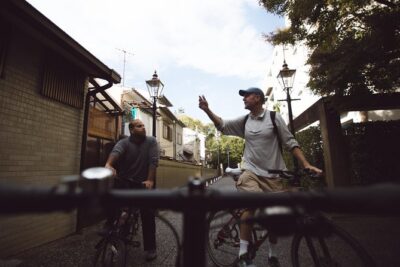
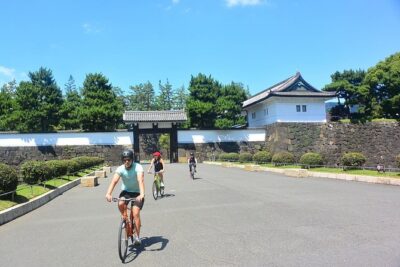
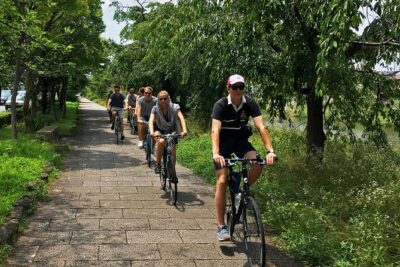
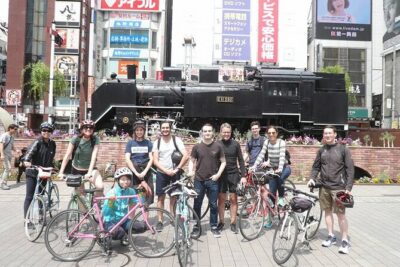
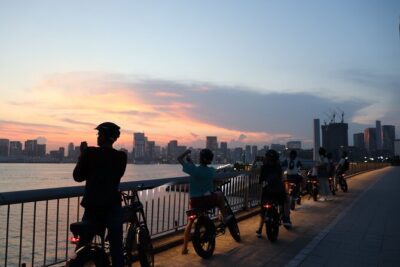
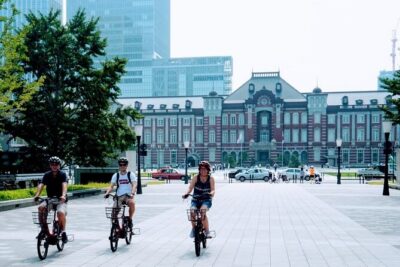
3h Tokyo E-Bike Tour: Hidden Gems, and Local Life with guide
Read our review →
Arashiyama Bamboo Forest & Hidden Gems Bike Tour (Early Bird)
Read our review →
Hiroshima in a Nutshell: Morning Bike Adventure
Read our review →Browse the lists this ride appears in