
Review · HIROSHIMA
Hiroshima in a Nutshell: Morning Bike Adventure
Hiroshima’s main sights are spread across the city, and a bicycle lets you connect them without waiting for buses or walking long stretches between stops. This morning ride covers the Peace Memorial Park, Atomic Bomb Dome, Hiroshima Castle, and Shukkei-en Garden in roughly three to four hours.
I like the small groups, capped at eight, and the way the tour mixes solemn history with quieter canals, gardens, and back streets. I also like that the route is mostly flat, bikes and helmets are supplied, and guides such as Awais, Melissa, James, Yuki, Amy, and Levi are known for clear explanations and steady pacing.
The main consideration is the subject matter. Hiroshima’s wartime history is painful, and some commentary can feel politically direct. You will also stop and start often, rather than spend the whole time riding. For most people, that is the point, but cyclists seeking a long, fast ride should choose something else.
Key Points About the Hiroshima Bike Tour
- Peace Memorial Park comes first, giving the morning a quiet and thoughtful start.
- Four major sights fit into one outing, including Hiroshima Castle and Shukkei-en Garden.
- The route is mostly flat, with a relaxed pace rather than a demanding cycling workout.
- Groups are limited to eight, making it easier to ask questions and stay with the guide.
- Bikes, helmets, bottled water, and garden admission are included, while e-bikes cost an additional 2,000 yen.
- The tour works well for a short Hiroshima stay, including a day in port or an overnight stop.
Why Cycling Works So Well in Hiroshima
Hiroshima is easy to explore once you understand its layout, but the major sights are not packed into one small historic quarter. Peace Memorial Park sits west of the central shopping area, Hiroshima Castle lies to the north, and Shukkei-en Garden is farther east. A walking tour can cover some of this ground, but you may spend much of your time simply getting from one place to the next.
The bicycle solves that problem. You can ride beside canals, pass through ordinary city streets, and reach areas that are awkward by car or bus. The route is not designed as a race. Guides explain hand signals, check the bicycles, adjust seat heights, and keep the group moving at a comfortable pace.
One detailed account measured the ride at about 6.81 miles over more than four hours, though the exact distance and timing can vary. That gives you a useful idea of the outing: active enough to feel like a real city ride, but not an endurance challenge.
The tour begins at Cycle Hiroshima, at 4-chome-5-4 Otemachi, Naka Ward, at 10:00 a.m. It ends back at the same place. That return point matters if you have a train, cruise departure, or another booked activity later in the day.
More Cycling Trips in Japan:
- Hidden Kyoto E-Biking tour
★ 5.0 · 1,843 reviews - Tokyo Guided Small-Group Biking Tour
★ 5.0 · 1,250 reviews - Bike Tour Exploring North Kyoto plus Lunch
★ 5.0 · 1,087 reviews
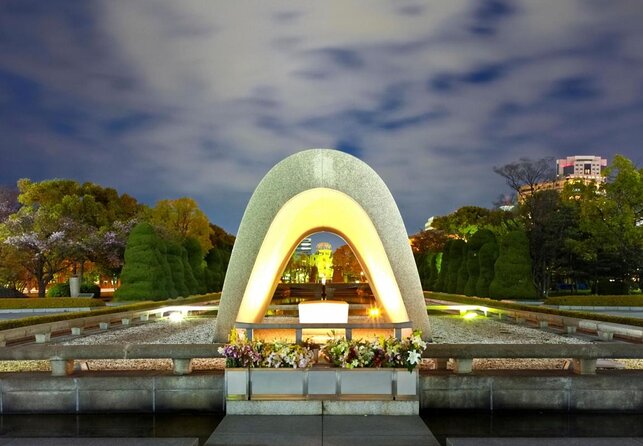
Peace Memorial Park: A Quiet Beginning
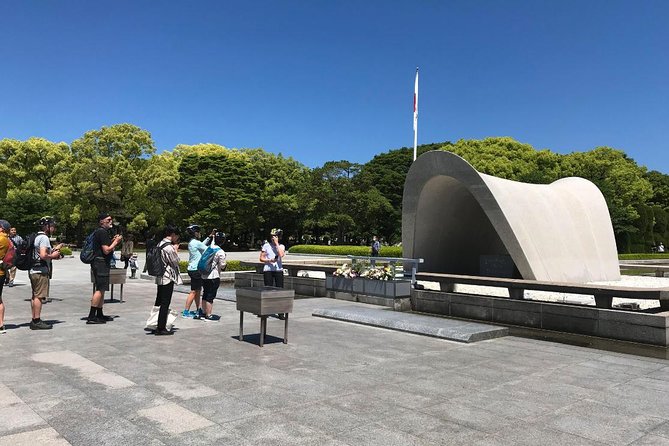
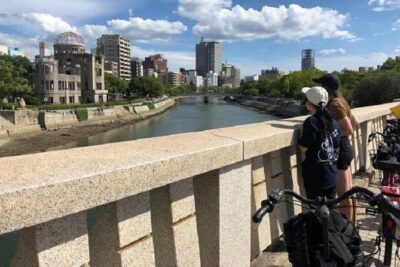
The first stop is Hiroshima Peace Memorial Park, where you ride slowly through one of the city’s most important public spaces. The pace changes here. You are not simply checking off a sightseeing stop. You are given time to look around, listen, and consider what happened in Hiroshima before and after the atomic bombing.
The planned stop lasts about 20 minutes. That is enough for a brief orientation, though not enough for a full visit to every memorial or museum in the park. If you want to spend serious time at the Hiroshima Peace Memorial Museum, you should plan a separate visit after the bike tour.
The guide uses old photographs to explain what the area looked like before World War II. This is one of the tour’s strongest features because it gives the present-day park a clearer sense of place. You begin to see that the open memorial grounds were once part of a working urban district.
Expect a thoughtful tone rather than cheerful sightseeing chatter. Guides such as Amy have also included origami crane making at the Children’s Peace Monument, adding a small hands-on element to the visit. That activity is not listed as a guaranteed part of every departure, so treat it as a possible extra rather than a promise.
The Atomic Bomb Dome and the Weight of the Stop
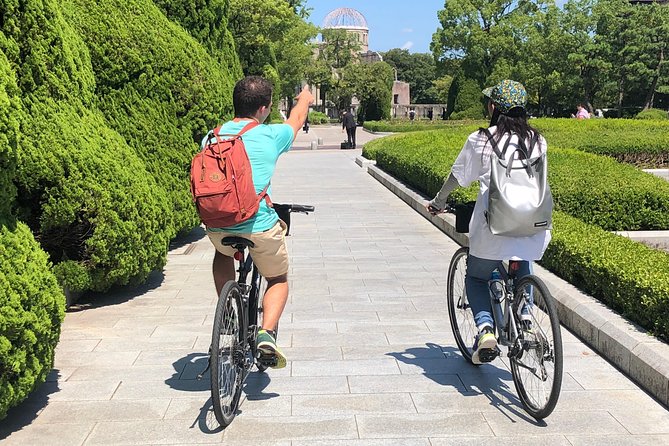
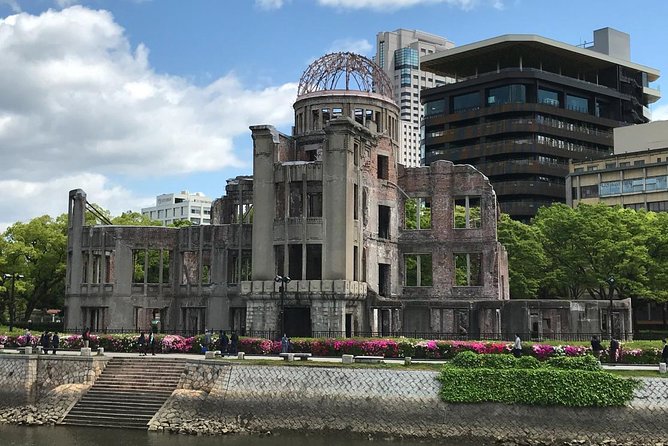
The Atomic Bomb Dome is only a short stop, about 10 minutes, but it carries enormous emotional weight. The ruined building is one of the most recognizable reminders of August 1945, and the guide gives you time for photographs and reflection.
Ten minutes may feel brief. That is fair. The Dome is best understood as part of a larger Hiroshima visit, not as a stand-alone museum experience. The guide’s explanation provides context, but you will not receive the same depth of material available inside the Peace Memorial Museum.
I appreciate the balance here. The tour does not hurry you past the building, but it also does not let one stop consume the entire morning. If this is your first visit to Hiroshima, the Dome helps you understand why the Peace Memorial Park is more than a pleasant riverside park. It is a place shaped by memory, mourning, and a continuing call for peace.
Some guides have a direct way of discussing the bombing and its aftermath. One account found parts of the commentary politically uncomfortable from an American point of view. That does not make the tour unsuitable, but you should expect more than a neutral list of dates and monuments. The guide may address responsibility, suffering, rebuilding, and the way Hiroshima remembers the event.
Hiroshima Castle: A Change of Mood
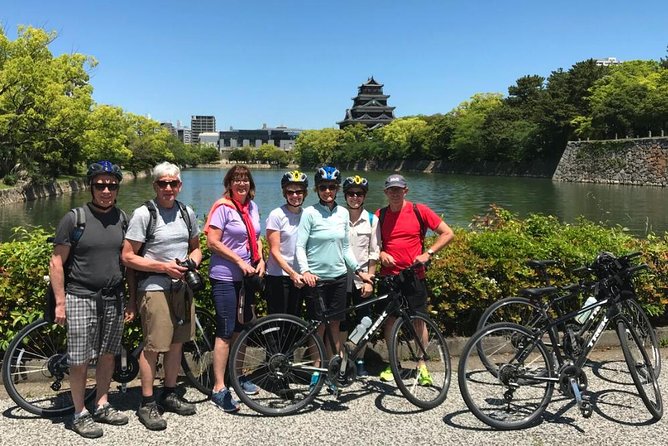
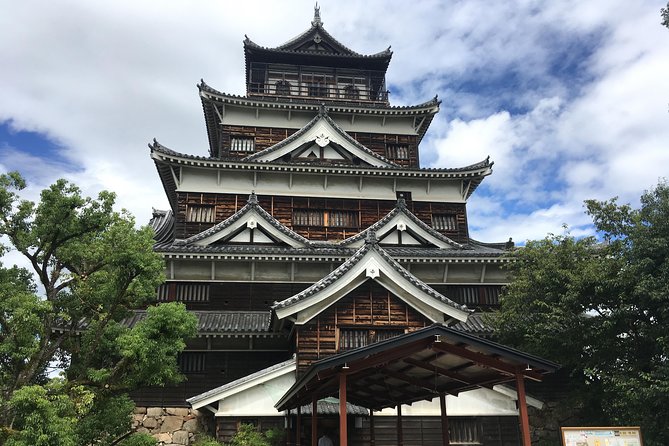
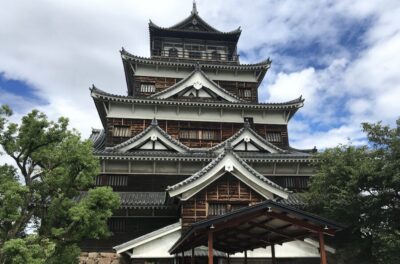
After the memorial sites, the ride moves toward Hiroshima Castle. The shift is useful. Hiroshima is not only a city of wartime memory. It also has centuries of political, military, and cultural history, and the castle gives the morning a different focus.
The stop lasts about 25 minutes. You ride through the grounds, see the castle from close range, and hear about its history. The gardens around the castle make good picture spots, especially after the concentrated atmosphere of Peace Memorial Park.
This is mainly an exterior and grounds visit rather than a long castle museum session. If you want to study the displays inside, you will need additional time on your own. The bike tour gives you orientation and a look at the setting, which can help you decide which places deserve a longer return visit.
The castle stop also shows the value of having a local guide. You are not just following a map from one famous building to another. A guide can connect the castle to Hiroshima’s older identity, then place that history beside the city’s modern story.
Same roads, a different ride:
- Tokyo Great Cycling Tour
★ 5.0 · 811 reviews - Tokyo Top Highlights 3h Guided E-bike Tour
★ 5.0 · 714 reviews - 3h Tokyo E-Bike Tour: Hidden Gems, and Local Life with guide
★ 5.0 · 670 reviews - Arashiyama Bamboo Forest & Hidden Gems Bike Tour (Early Bird)
★ 5.0 · 613 reviews
Shukkei-en Garden: Greenery and Design
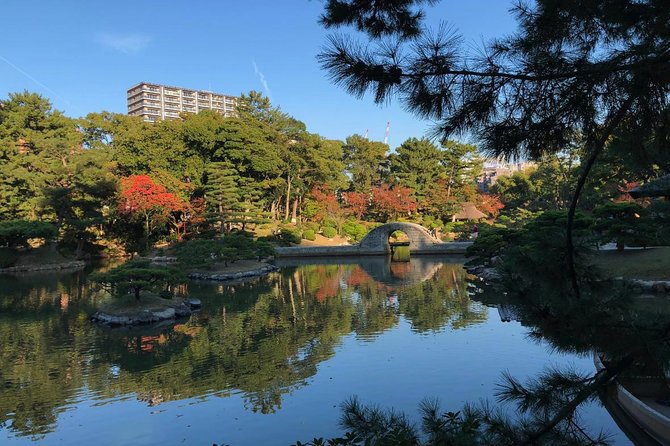
Shukkei-en is the final listed stop, with about 25 minutes inside the garden. Admission is included, which is helpful since you do not have to handle another ticket during a tightly timed morning.
The garden offers a calm finish. Its design is based on carefully arranged views, water, plants, bridges, and changing perspectives. Your guide explains how Japanese gardens use balance and composition rather than simply leaving you to walk around and guess what you are seeing.
Twenty-five minutes gives you a pleasant introduction but not a leisurely garden visit. If you enjoy Japanese gardens, you may want to return later and explore at a slower pace. Still, including Shukkei-en makes the route feel more rounded. You see memorial spaces, a castle setting, and a traditional garden in one outing.
That variety is one reason the tour works well for first-time visitors. You get a basic map of Hiroshima’s past and present, rather than a morning focused only on the atomic bombing.
The Guides Make the Difference
The guide is central to this experience. Names associated with recent departures include Awais, Melissa, James, Yuki, Amy, and Levi. Their styles may differ, but the strongest pattern is clear explanation, attention to safety, and a willingness to answer questions.
Awais is described as especially strong on Hiroshima and Japanese history, with an easy conversational style. Several accounts also point to his care with photographs and his habit of taking time when the group needed more explanation. Melissa is described as energetic, warm, and good with families. James has been praised for giving clear safety instructions and for keeping riders informed throughout the route.
Levi begins with a history lesson before the group gets on the bikes, which suits anyone who likes context before sightseeing. Yuki and Amy have also led informative outings focused on the main sites and the city’s wartime story.
Guide assignments can change, so you should not book on the assumption that one named person will lead your departure. Still, the range of positive comments suggests that the operator has several strong guides rather than depending on one individual.
The best guides do more than recite facts. They explain why a place matters, answer unexpected questions, and adjust the pace to the group. That matters in Hiroshima, where a simple monument can raise difficult questions that a printed guidebook cannot answer in the same personal way.
Bikes, Pace, and Physical Effort
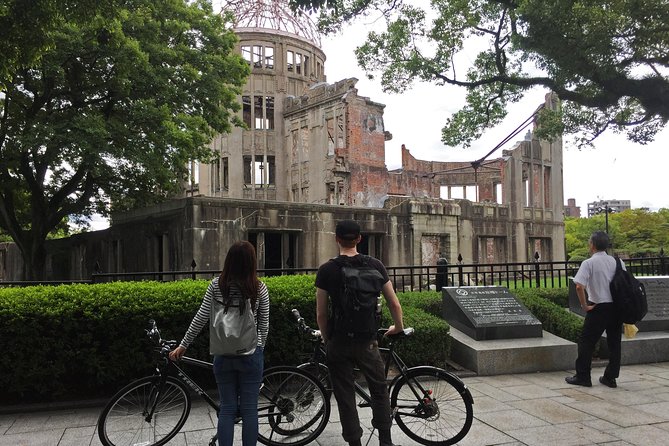
The standard package includes a bicycle, helmet, and bottled water. Before setting off, the guide checks the bikes and explains hand signals. Seat height adjustments are available, which makes a real difference if you are tall, short, or simply unfamiliar with the supplied bicycle.
The city route is mostly flat, and the riding pace is described as steady rather than rushed. You will spend plenty of time getting off the bicycle at monuments and gardens, so this is not four straight hours in the saddle.
Still, you should be comfortable riding in a city and managing a bicycle for several hours. The route includes regular stops, but you need to pay attention to the guide’s signals and stay with the group.
E-bikes are available for an extra 2,000 yen, with limited supply. Arrange one ahead of time if you have not ridden a regular bicycle recently, are concerned about the heat, or are unsure about your fitness. A standard bike may be perfectly fine for many people, but the electric option can make the day more comfortable.
Children aged 12 and under are not recommended for this activity, and riders must be at least 140 centimeters tall. Most adults can participate, but the minimum height rule is firm.
Rain can also change the plan. The activity depends on suitable weather, and a poor-weather cancellation brings the choice of another date or a full refund. Bring a flexible attitude during Japan’s rainy periods.
Price and What You Get for $72.96
At $72.96 per person, this is not the cheapest way to see Hiroshima. It is more expensive than using public transport and visiting the sights independently. The value comes from combining transport, an English-speaking guide, bicycle rental, helmet, water, four major stops, and Shukkei-en admission in one morning.
You are also paying for time. A first-time visitor can spend part of a day working out which tram, bus, or walking route connects each sight. The bike handles that planning for you and adds access to smaller roads and canal-side routes.
The small group size helps justify the price. With a maximum of eight people, the guide can check the bikes, answer questions, and keep the group together without the feel of a large coach tour.
I see the best value for people with only one or two days in Hiroshima. It is also useful for a cruise passenger with a single day ashore, provided the timing works with the ship’s schedule. If you have several days and enjoy planning your own transport, you may prefer to visit the sights independently and spend longer at each one.
The rating is 4.9 from 524 ratings, with 98 percent recommending the experience. That is strong evidence of consistent satisfaction, especially for a tour that deals with serious subject matter and changing weather.
How to Fit This Into Your Hiroshima Day
The 10:00 a.m. start leaves the afternoon open. You can return to Peace Memorial Park for the museum, revisit the Atomic Bomb Dome, eat lunch in central Hiroshima, or continue to another part of the city.
Do not schedule a tight train connection immediately after the tour. Most outings last three to four hours, and one extended departure ran longer because the guide took extra time with explanations. The tour officially ends back at the starting point, but you should leave a cushion before a bullet train or port transfer.
The location in Otemachi is practical for reaching the Peace Park area. You are responsible for getting there and returning afterward, since hotel pickup and drop-off are not included.
Free cancellation is available up to 24 hours before the local start time. Within 24 hours, changes and refunds are not accepted. The operator can also cancel if the minimum number is not reached, offering another date, another experience, or a full refund.
Who Should Book This Ride
I would choose this tour if you are visiting Hiroshima for the first time and want a clear introduction without spending the whole day on foot. It suits couples, small families with older children, and solo visitors who want a guide for the difficult historical context.
It is especially useful for you if:
- You have only one full day or less in Hiroshima.
- You want to see several major sights without relying on buses.
- You enjoy asking questions during a guided tour.
- You are comfortable with a moderate amount of cycling.
- You want both memorial sites and traditional Japanese scenery.
I would think twice if you want a long, continuous bike ride. The tour includes many stops, explanations, photographs, and walks through the sites. It is also not ideal for children aged 12 and under, riders below 140 centimeters, or anyone who dislikes discussing war and political responsibility.
Should You Book the Hiroshima Morning Bike Adventure?
For most first-time visitors with limited time, yes. The route covers the places you are most likely to put on your Hiroshima list, and the bicycle makes the connections easy. You get a thoughtful introduction to the Peace Memorial Park and Atomic Bomb Dome, then a change of pace at Hiroshima Castle and Shukkei-en Garden.
Book it early if you want an e-bike, since supply is limited. Arrive ready for a few hours of riding, wear comfortable clothes, and leave the afternoon free for the Peace Memorial Museum or any stop that deserves more time.
This is best understood as an orientation tour with strong historical guidance, not a full museum visit or a serious cycling workout. If that matches your plans, the price buys you a useful map of Hiroshima, a safe route, and a human explanation of places that are difficult to understand on your own.
FAQ
How long does the Hiroshima bike tour last?
The activity lasts approximately three to four hours. Some departures may run longer if the guide spends extra time answering questions or explaining the sites.
What sights are included?
The route includes Hiroshima Peace Memorial Park, the Atomic Bomb Dome, Hiroshima Castle, and Shukkei-en Garden.
Are bicycle rental and safety equipment included?
Yes. A bicycle, helmet, and bottled water are included. An e-bike is available for an additional 2,000 yen, with limited availability.
Where does the tour begin and end?
The tour begins at Cycle Hiroshima, 4-chome-5-4 Otemachi, Naka Ward, Hiroshima, at 10:00 a.m. It ends back at the same meeting point.
Is the tour suitable for children?
Children aged 12 and under are not recommended for the activity. Riders must also be at least 140 centimeters tall.
What happens if the weather is poor?
The tour may be canceled because of bad weather. You will then be offered an alternative date or a full refund.
New cycling reviews around Japan
- Osaka E-Bike Tour With A Local Guide★ 4.7 · 75 reviews
- Osaka: City Highlights Bike Tour★ 4.7 · 20 reviews
- Okinawa: Afternoon Cycling Tour with Local Guide★ 4.8 · 39 reviews
- Nara: City Highlights Shared Group or Private Bike Tour★ 4.9 · 34 reviews
- Nara: Bike Tour in Ancient Capital UNESCO World Heritage★ 5.0 · 43 reviews
- Naha: Guided E-Bike Tour of the 12 Zodiac Temples★ 4.9 · 50 reviews
- Best of Kyoto: Ginkakuji & Path of Philosophy E-Bike Tour★ 4.9 · 79 reviews
- Kyoto: Tailored E-Bike Tour to Highlights & Hidden Gems★ 4.9 · 32 reviews
Hiroshima Cycling Tours, compared.
Hiroshima 2hr Peace Cycling Tour with Local Guide
Read our review →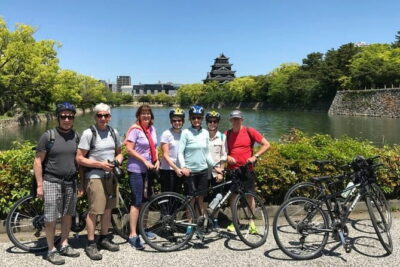
Browse the lists this ride appears in